


The Science of a Fresh Herb
The secret to basil’s signature scent and taste lies in its essential oils. These are made up of numerous volatile compounds that are highly sensitive to heat. When you chop or tear a basil leaf, you rupture its cell walls, releasing these fragrant oils into
the air and, eventually, into your food. This is what provides the bright, fresh kick we associate with the herb. Unlike more robust, woody herbs like rosemary or thyme, basil’s delicate leaves and the compounds within them are not built to withstand prolonged high temperatures. They are fragile and will break down quickly, which is why a gentle approach is required to keep their character intact.
Heat: The Enemy of Brightness
When fresh basil is exposed to heat for too long, its volatile oils begin to evaporate. The chemical compounds that give basil its complex, anise-like notes and fresh aroma are destroyed in the cooking process. The result is a flavor that is muted, dull, and sometimes even slightly bitter, a shadow of what it once was. The vibrant green leaves will also wilt and darken, losing the visual appeal that signals freshness. While the dish might still have a subtle herbaceous quality, it will lack the powerful, aromatic punch that makes fresh basil so special. Essentially, by adding it too early, you are cooking away the very essence of the herb.
The Golden Rule: Add It Last
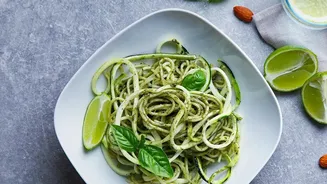
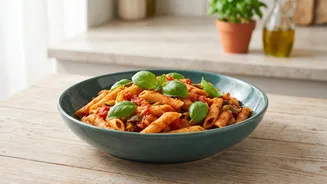
For the brightest and most impactful flavor, the rule is simple: add fresh basil at the very end of the cooking process. For dishes like pasta sauces, soups, and stews, stir in the chopped or torn leaves during the final minute or two of simmering, or even after you have removed the pot from the heat. This gives the basil just enough time to infuse its flavor into the dish without being destroyed by excessive heat. When garnishing a finished meal, such as a pizza just out of the oven or a warm grain bowl, sprinkle the fresh leaves over the top right before serving. This method ensures you get the full, unadulterated experience of its bright, peppery notes and intoxicating aroma.
Are There Any Exceptions?
While adding basil late is the standard for preserving freshness, there are a few exceptions where an earlier addition can be beneficial. For example, some chefs add basil stems, which are tougher and less delicate than the leaves, to a sauce or soup early on to build a subtle, deep flavor foundation; the leaves are still saved for the end. Another clever trick, especially for pizza, involves placing whole basil leaves on the tomato sauce before adding the cheese and other toppings. The cheese acts as a shield, protecting the basil from the oven's direct, intense heat, allowing it to gently perfume the dish without burning. Even in these cases, a final garnish of fresh basil is often added after cooking to reintroduce that bright, top note.
What About Dried Basil?
The rules are completely different for dried basil. The drying process removes the water and many of the herb's most volatile oils, resulting in a more concentrated, earthy, and less nuanced flavor. Because its flavor profile is fundamentally different and more stable, dried basil benefits from being added early in the cooking process. Stirring it into the hot oil with your onions and garlic or adding it to a sauce as it begins to simmer gives the dried flakes time to rehydrate and release their flavor fully into the dish. Using fresh and dried basil are two different techniques for achieving two different flavor outcomes; one cannot simply be substituted for the other without adjusting the method.