

The Ultimate Dress Rehearsal
In the world of spaceflight, nothing is left to chance. On Tuesday, the four astronauts of the Crew-13 mission participated in a full dress rehearsal, a crucial simulation that mirrors the precise timeline of launch day. The crew, comprising NASA astronauts Jessica
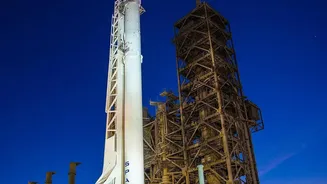
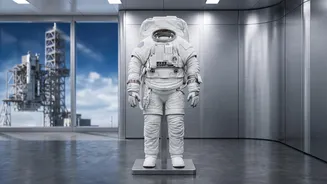
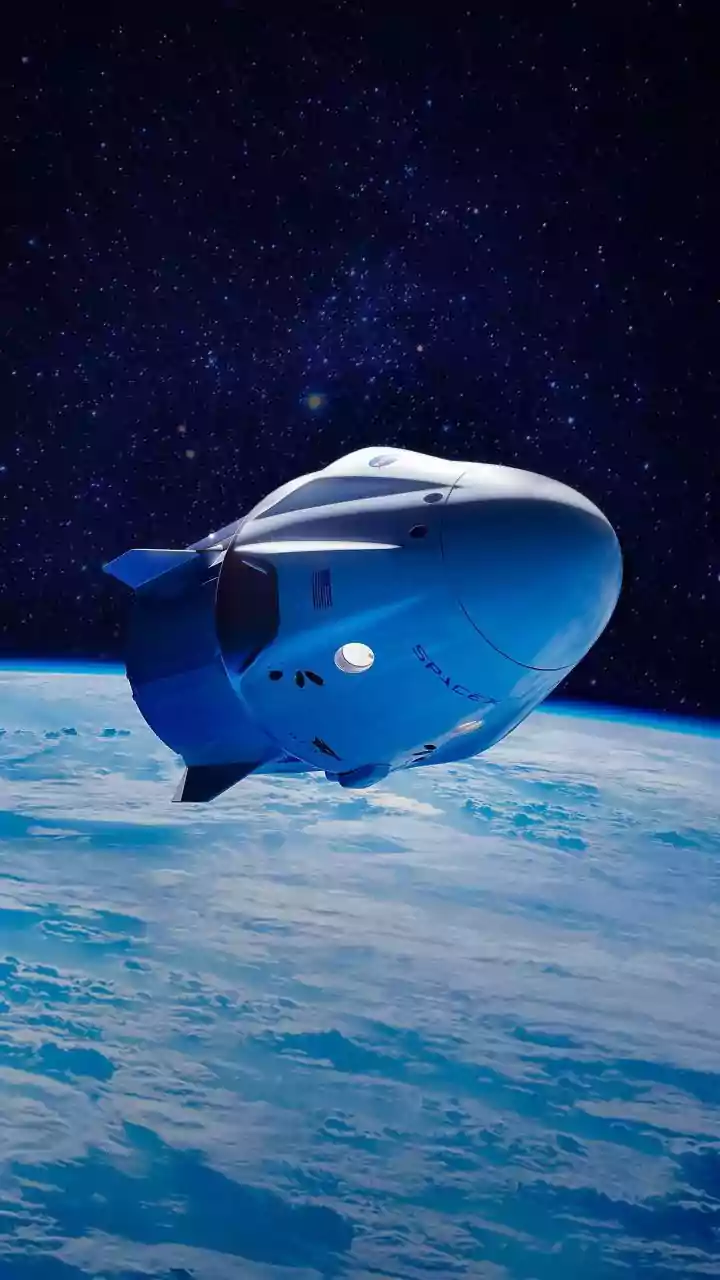
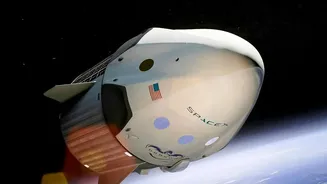
Watkins and Luke Delaney, Canadian Space Agency astronaut Joshua Kutryk, and Roscosmos cosmonaut Sergey Teteryatnikov, donned their custom SpaceX spacesuits and went through the entire pre-launch sequence. This included suit-up procedures, leak checks, the ride out to the launch pad, and boarding their Dragon spacecraft, which sits atop a Falcon 9 rocket. The exercise tests not just the crew but also the hundreds of ground support personnel, launch controllers, and engineers from both NASA and SpaceX, ensuring every team works in perfect synchrony. The rehearsal proceeds through the entire countdown, stopping just short of engine ignition.
What is a 'Wet' vs. 'Dry' Rehearsal?
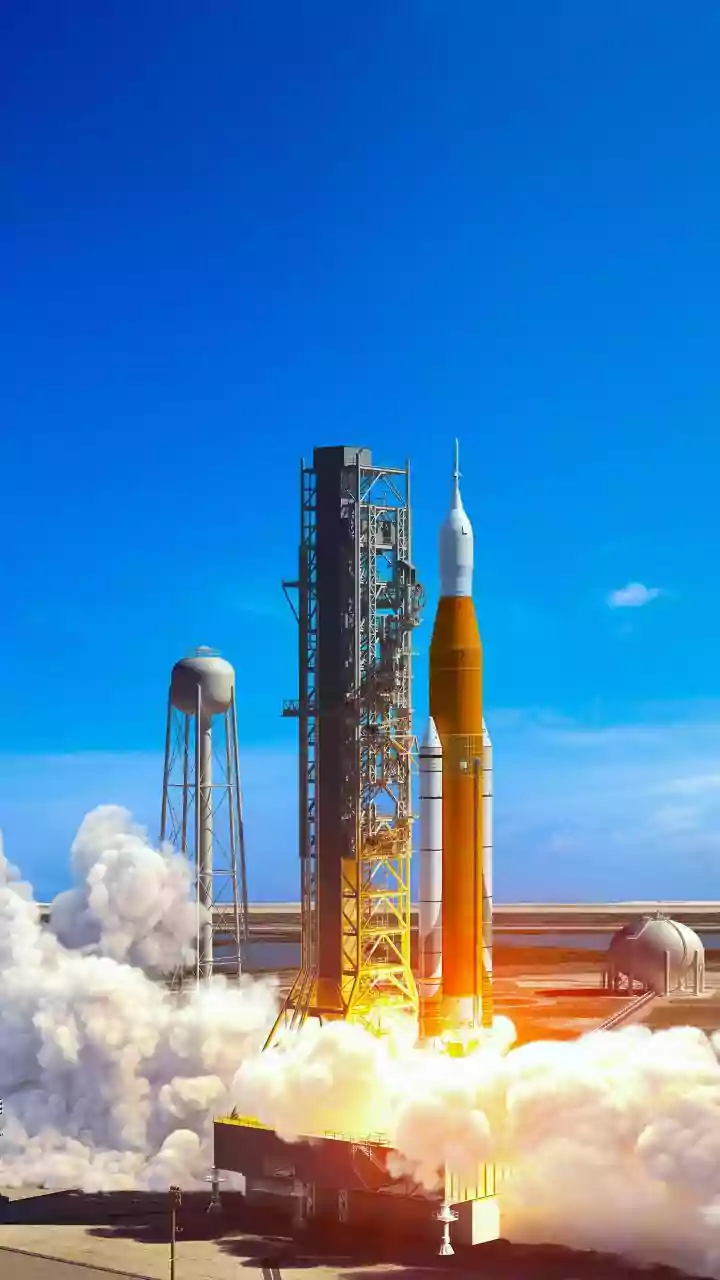
While the Crew-13 team completed what is known as a "dry" dress rehearsal with the astronauts, another critical type of test is the "wet dress rehearsal," or WDR. The term "wet" refers to the loading of cryogenic, or super-chilled, liquid propellants into the rocket. A WDR simulates the complete launch countdown, including the complex and hazardous process of fueling the Falcon 9 rocket with liquid oxygen and rocket-grade kerosene. This test is vital for verifying that all of the rocket's plumbing, tanks, and ground systems can handle the extreme temperatures and pressures of the propellants. It's the final exam for the vehicle itself, designed to catch any potential hardware issues in a controlled environment before the crew is on board for the actual launch. The successful Crew-13 rehearsal on Tuesday focused on crew procedures and the countdown sequence inside the Dragon capsule.
Meet the International Crew-13
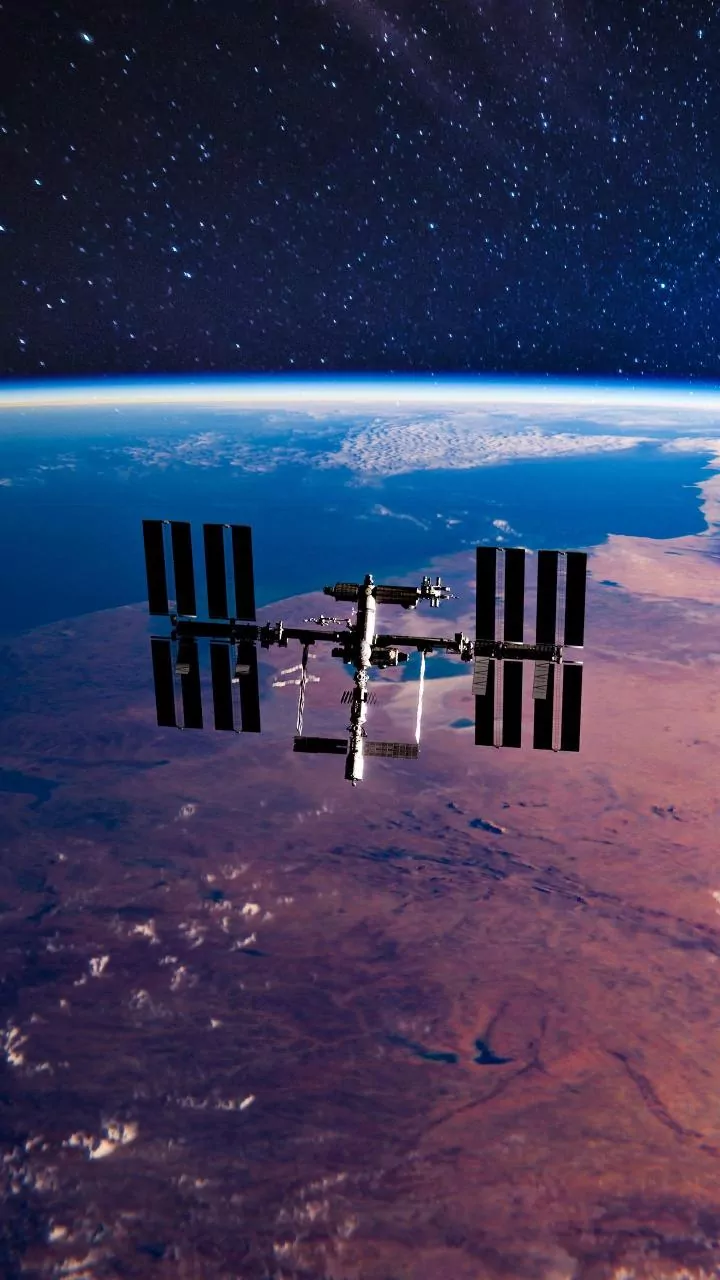
The Crew-13 mission showcases a continued international partnership in space exploration. The four-person crew will spend several months aboard the International Space Station (ISS) conducting scientific research. The crew consists of: NASA astronaut Jessica Watkins, serving as spacecraft commander, responsible for the overall mission and spacecraft. NASA astronaut Luke Delaney is the pilot, tasked with assisting the commander and monitoring the spacecraft's systems. CSA astronaut Joshua Kutryk of Canada will serve as a mission specialist, with various responsibilities related to the mission and station operations. Roscosmos cosmonaut Sergey Teteryatnikov of Russia is also a mission specialist, who will work alongside the crew as a flight engineer once aboard the ISS. Upon their arrival, they will join the Expedition 75 crew already on the station, beginning a planned handover of operations.
The Final Hours to Liftoff
Following the successful rehearsal, NASA and SpaceX gave the official "go" for launch. Liftoff is scheduled for 11:10 a.m. EDT on Thursday, October 1, from Space Launch Complex 40 at Cape Canaveral Space Force Station in Florida. After launching, the Dragon spacecraft is expected to perform a series of carefully orchestrated engine burns to catch up with the ISS. Docking is anticipated less than nine hours after launch, a remarkably fast transit to the orbiting laboratory. Weather is the only remaining major variable, with launch officials closely monitoring conditions on the Space Coast. Forecasters have given a 60% chance of favorable weather for the launch window. Should the launch be delayed for any reason, a backup opportunity is available the following day.