
The Chai We Know and Love
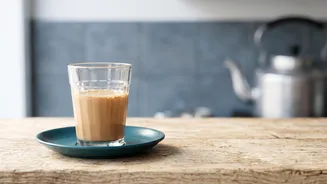
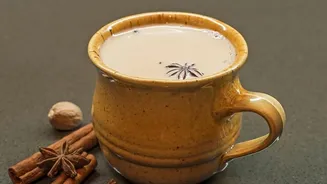
The ritual is practically universal across the country. Whether from a bustling street-side stall or a modern cafe, the default Indian chai is a 'kadak' concoction of black tea, boiled with milk, sugar, and a blend of spices like cardamom, ginger, and cloves.
This masala chai is more than a beverage; it’s a social lubricant, a morning ritual, and a comforting pause in a hectic day. Its creamy texture and aromatic warmth have rightfully made it a global ambassador for Indian tea culture. So ingrained is this version that for many, the idea of chai without milk seems almost incomplete. Yet, this perception overlooks a rich and varied tapestry of tea traditions that thrive without a single drop of dairy.
Enter Ronga Saah: Assam’s Red Tea
In Assam, the heartland of Indian tea production, the go-to brew is often 'Ronga Saah' or 'Laal Saah' — literally, red tea. Served without milk, this drink showcases the unadulterated character of Assam tea leaves. The preparation is deceptively simple: high-quality tea leaves are steeped in hot water until they release a vibrant, reddish-brown liquor. The result is a bold, full-bodied, and malty brew that is both refreshing and invigorating. To the uninitiated, it might just seem like black tea, but for the people of Assam, it is a way of life. It is the default cup of 'saah' (tea); if you want milk, you have to specifically ask for it. Many enjoy it multiple times a day, finding it helps with digestion and avoids the acidity sometimes associated with milky tea.
A Symbol of Hospitality and Daily Life
Ronga Saah is a great equaliser, enjoyed by everyone from tea pluckers in the fields to managers in their colonial-era bungalows. It fuels conversations at roadside stalls, welcomes guests into homes, and marks the rhythm of the day. While it can be enjoyed plain, many add a spoonful of sugar or honey, a slice of ginger, or a squeeze of the fragrant local Kaji Nemu lemon to enhance its flavour. Its omnipresence in Assamese culture serves as a powerful reminder that the primary ingredient in chai has always been the tea leaf itself, celebrated for its intrinsic qualities.
India’s Other Milk-Free Brews
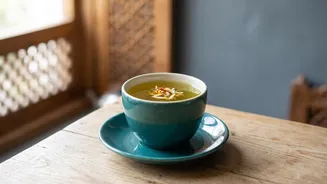
Assam is not alone in its appreciation for tea without milk. Travel across India, and you'll find other celebrated regional specialities. In Kashmir, 'Kahwa' is a delicate green tea infused with whole spices like saffron, cinnamon, and cardamom, and garnished with slivered almonds. Traditionally prepared in a large copper kettle called a samovar, Kahwa is a warm, fragrant embrace against the cold mountain air. Head south to the Malabar coast of Kerala, and you'll discover 'Sulaimani Chai'. With roots in Arab trade culture, this golden-hued black tea is brewed with spices like cloves and cardamom, sweetened, and finished with a bright squeeze of lemon juice. Light and refreshing, it is famously served after heavy meals like biryani to aid digestion.
Reclaiming the Word ‘Chai’
These diverse preparations bring us back to a simple truth: the word 'chai' just means 'tea'. While masala chai has become the dominant narrative, it is just one chapter in a much larger story. The robust Ronga Saah, the fragrant Kahwa, and the zesty Sulaimani are not outliers; they are integral parts of India’s beverage heritage. They prove that the essence of Indian chai lies not in a fixed recipe but in its adaptability and regional diversity. Each version tells a story about its local climate, culture, and history, offering a unique sensory experience.