






A Once-in-a-Dozen-Year Wonder
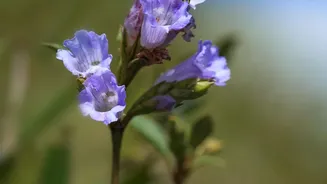
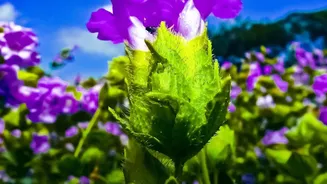
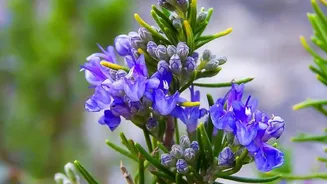
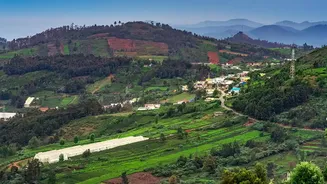
The Neelakurinji, or Strobilanthes kunthiana, is not just any flower. It's a natural marvel with a unique life cycle, blooming only once every 12 years. For a few months, vast stretches of the shola grasslands in the Western Ghats across Kerala and Tamil
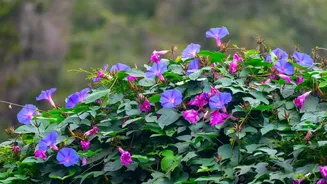
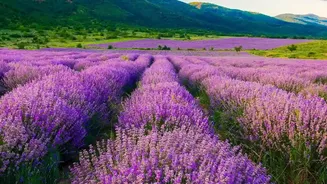
Nadu are blanketed in these vibrant bell-shaped flowers. This mass flowering, known as a plietesial event, transforms the landscape into a breathtaking sea of blue, giving the Nilgiri Hills—literally, the 'Blue Mountains'—their name. The last major bloom was in 2018, and another is anticipated around 2030, though smaller, localized blooms have been reported in 2026. This predictable, yet rare, spectacle draws nature enthusiasts, botanists, and tourists from all over the world.
More Than Just a Pretty Flower
The Neelakurinji’s significance extends far beyond its beauty. For centuries, the indigenous Paliyan tribe of Tamil Nadu has used its 12-year blooming cycle to mark their age and significant life events. Ecologically, it is a keystone species. Its mass blooming provides a feast of nectar for honeybees, leading to the production of a rare, high-quality 'Kurinji honey' that is harvested after the flowering season. The plant is also crucial for the health of the shola ecosystem, and its presence is considered an indicator of a healthy environment. The plant is fire-resistant and helps in soil binding on the steep slopes, playing a vital role in the region's fragile biodiversity.
A Treasure Under Threat
Unfortunately, this natural treasure is under immense pressure. Habitat loss due to the expansion of tea plantations and other agricultural activities, coupled with increasing tourism, poses a significant threat. During blooming seasons, the influx of tourists often leads to trampling of the delicate shrubs and the surrounding grasslands. Some visitors, unaware of the damage they are causing, pluck the flowers for souvenirs. This is particularly destructive because the Neelakurinji is a monocarpic plant—it flowers only once, sets seed, and then dies. Plucking the flowers prevents the plant from completing its life cycle, disrupting the seeding process necessary for the next generation to bloom 12 years later.
The Protective Shield: A Hefty Fine
Recognizing these threats, the Ministry of Environment, Forest and Climate Change (MoEFCC) has taken decisive action. In 2023, Neelakurinji was officially listed under Schedule III of the Wildlife (Protection) Act, 1972, granting it the status of a protected plant. Under this act, anyone caught plucking, uprooting, or destroying the Neelakurinji plant can face a penalty of up to ₹25,000 and imprisonment for up to three years. The cultivation and even possession of the plant are now prohibited. This stringent measure isn't just about punishment; it's a critical conservation effort to deter harmful behaviour and ensure the plant's survival for future generations.
How to Be a Responsible Visitor
Enjoying the beauty of the Neelakurinji bloom is still possible, but it requires a responsible approach. Forest departments in both Tamil Nadu and Kerala have urged the public to act with caution. During recent blooms, authorities have restricted access to certain areas, particularly those prone to human-elephant conflict, as the blooming sites are often part of elephant corridors. When you visit, stick to designated paths, avoid trampling the plants, and under no circumstances should you pluck the flowers. Listen to the instructions of forest officials and local guides. The best way to capture the memory is through your camera, leaving the flowers untouched for others to appreciate and for the ecosystem to thrive.