



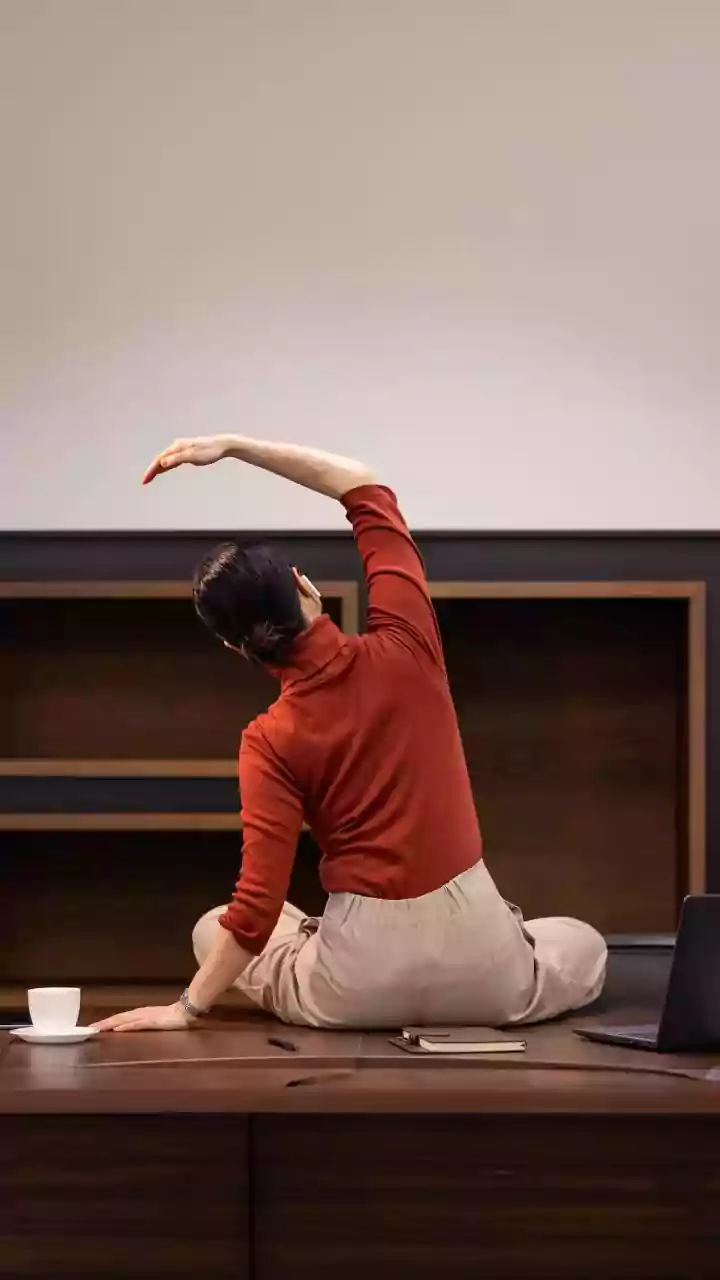




The Monsoon Movement Dilemma
We all know the feeling. The sky opens up, the roads become streams, and your plans for an evening stroll or trip to the gym evaporate. The monsoon season in India, while beautiful, often forces us into a less active lifestyle. Days spent indoors can
lead to feelings of sluggishness, low energy, and even a dip in mood, often referred to as the 'monsoon blues'. While the urge to curl up with a hot beverage and fried snacks is strong, our bodies crave movement to stay healthy and resilient, especially during a season that brings a spike in illnesses. The good news is that you don't need to brave the downpour to keep your fitness goals on track.
Why 20 Minutes is a Magic Number
You don't need an hour-long, high-intensity session to reap significant rewards. Research shows that just 20 minutes of moderate activity, like a brisk walk, can have a profound impact on your health. Studies have found that walking 20 minutes a day can reduce the risk of heart disease, improve your mood by triggering the release of endorphins, and even boost your immune system, making you less susceptible to seasonal colds. A short walk also improves blood circulation, helps manage stress, and can lead to better quality sleep — all without putting excessive strain on your body.
How to Walk Indoors Effectively
Walking inside doesn't mean aimlessly wandering around your coffee table. With a little structure, you can turn a small space into your personal walking track. The simplest method is marching in place. To make it a proper workout, focus on your form: stand tall, engage your core, and swing your arms as you would outdoors. If you have a clear hallway or a large room, you can walk laps. Try walking in a figure-eight pattern to challenge your balance and engage different muscles. If you have stairs, they are your best friend; walking up and down them for even 5-10 minutes is an excellent cardiovascular workout that tones your leg muscles.
Turn Up the Intensity, Beat the Boredom
Walking in the same spot can get repetitive. The key to consistency is to keep it interesting and challenging. To increase the intensity, try incorporating variations every few minutes. Add high knees, where you bring your knees up towards your chest, or butt kicks, where you try to kick your heels back towards your glutes. Introducing arm movements, like punches or overhead reaches, can also elevate your heart rate. To combat boredom, technology is your ally. Create an upbeat music playlist, listen to an engaging podcast or audiobook, or walk while watching your favourite TV show. You can also find thousands of free 'indoor walking' or 'walk-at-home' videos online, which offer guided routines with music and timers to keep you motivated.
Setting Up for Success
To make your indoor walk a regular habit, create an environment that invites movement. Designate a small, clutter-free area as your workout zone. Even if it's just a few square feet in your living room, having a dedicated space makes it easier to start. While you're at home, it is still important to wear comfortable clothing and supportive shoes. Walking barefoot on hard tiles can be tough on your joints. Proper footwear provides the necessary grip and cushioning to prevent slips or strain. Most importantly, listen to your body. Start slow and gradually increase your pace and duration as you get more comfortable.