



Faster Commutes With 'Fast Trains'
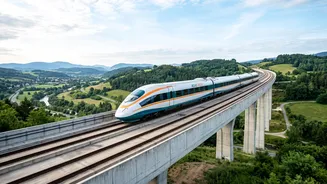
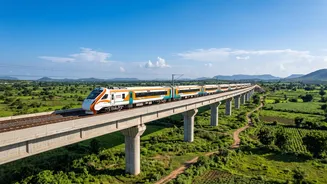
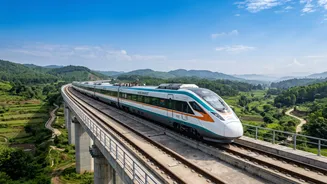
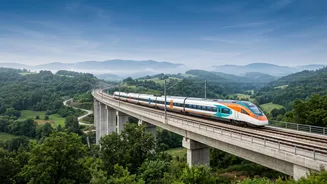
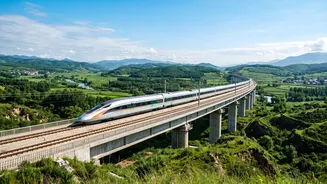
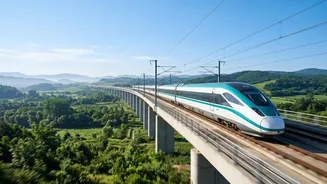
In a move aimed at easing peak-hour congestion, the NCRTC has introduced eight new 'fast train' services on the Delhi-Ghaziabad-Meerut Namo Bharat corridor. These limited-stop services are specifically designed to reduce travel time for office-goers and
students. The new trains will cover the entire 82-km corridor, from Sarai Kale Khan in Delhi to Modipuram in Meerut, in less than 50 minutes, a noticeable improvement on the regular service time of around 55-60 minutes. This initiative is a direct response to growing passenger demand and aims to make the daily commute more predictable and efficient.
The New Peak-Hour Timetable
The additional services are scheduled precisely during the busiest travel times. During the morning peak, two fast trains will depart from each terminal station—Sarai Kale Khan and Modipuram—at 8:00 AM and 8:30 AM. The schedule is mirrored in the evening, with two fast trains leaving from both ends at 6:00 PM and 6:30 PM. This means a total of four extra services in the morning and four in the evening, running in both directions. Regular Namo Bharat trains, which stop at all stations, will continue to operate at their usual frequency of every 10 minutes, ensuring that overall service availability remains robust.
Which Stations Will Fast Trains Serve?
The key to the time saving is a limited-stop schedule. These fast trains will only halt at five major stations along the entire route: Sarai Kale Khan, Anand Vihar, Ghaziabad, Begumpul, and Modipuram. By skipping several intermediate stations, these services can maintain a higher average speed. For instance, the journey between the major hubs of Anand Vihar and Ghaziabad will now take just eight minutes on these services. Commuters have been advised by the NCRTC to check station display boards and listen to platform announcements to distinguish between the fast and regular services before boarding.
A Response to Surging Ridership
The decision to add services is backed by strong ridership data. The corridor currently serves around 1.1 lakh passengers daily and recently crossed the milestone of five crore total passenger journeys since it began operations. The growth has been particularly rapid since the full corridor became operational in February 2026. According to the NCRTC, the system recorded an average of over 32 lakh journeys per month between August and October 2026, indicating sustained and growing reliance on the service. This increase highlights the public's growing trust in the Namo Bharat system as a reliable and comfortable mode of regional transport.
The Bigger Picture for NCR
This service enhancement is part of a broader strategy to promote public transport and reduce road congestion in the National Capital Region. By offering a faster and more convenient alternative to private vehicles, the NCRTC aims to encourage a modal shift, which can also help in mitigating air pollution. The Delhi-Meerut RRTS is India's first operational high-speed regional rail system, a pioneering project designed to connect key urban centres. The positive reception and increasing ridership reinforce the importance of investing in modern, efficient public infrastructure to support the region's economic activity and improve the quality of life for its residents.