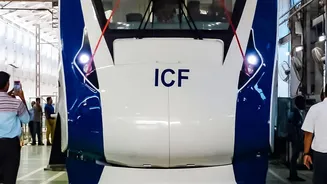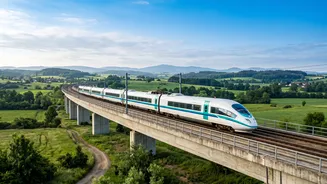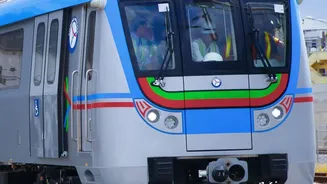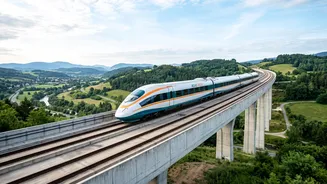







The daily commute for thousands between Delhi and key Haryana cities like Sonipat and Panipat could soon be transformed. A high-speed rail corridor under the Namo Bharat plan promises to slash travel times and redefine regional connectivity.
What is Namo Bharat?
Namo Bharat
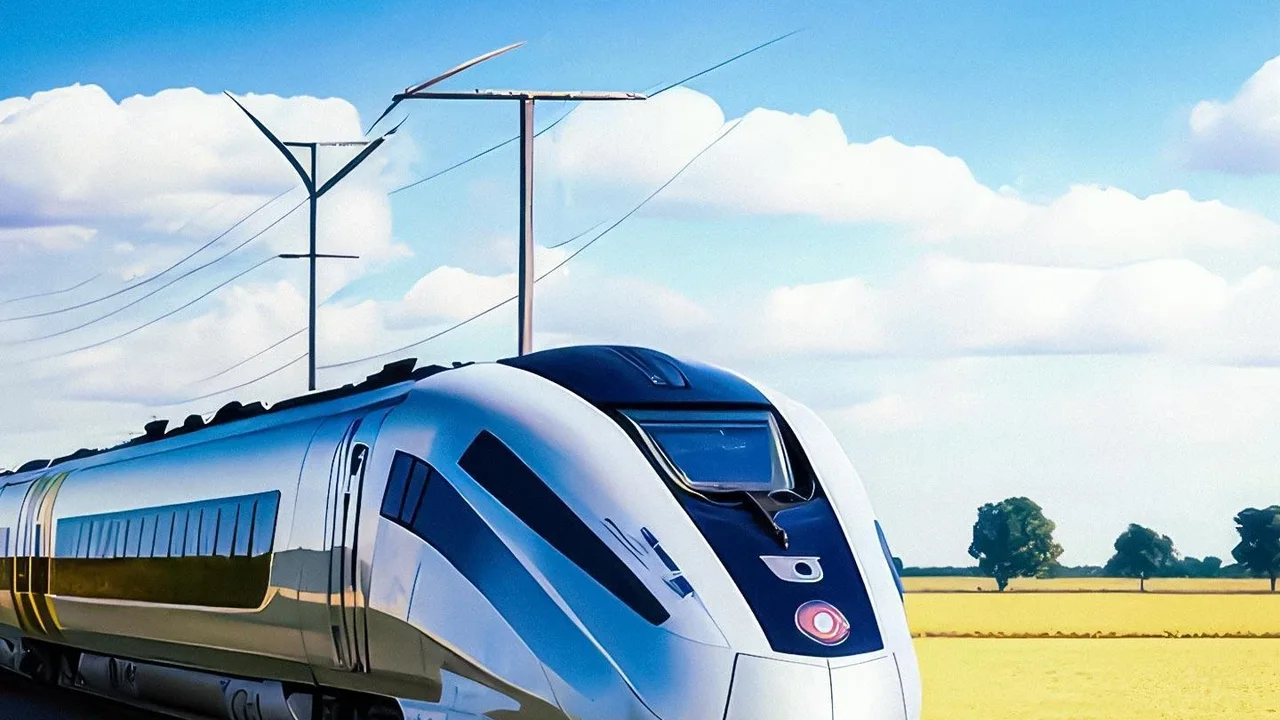
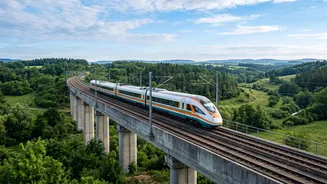
is the brand name for India's Regional Rapid Transit System (RRTS), a network of semi-high-speed rail lines designed to connect major urban and industrial nodes within the National Capital Region (NCR). Unlike a metro system, which is designed for intra-city travel, Namo Bharat trains cater to longer regional journeys with fewer stops and significantly higher speeds. With a design speed of 180 km/h and an operational speed of 160 km/h, these trains are built to provide a fast, reliable, and comfortable alternative to road travel.
The Delhi-Panipat Corridor Explained
The Delhi-Panipat corridor is one of the priority projects under the RRTS plan. It is a proposed 136.3-kilometre line that will start from Sarai Kale Khan in Delhi and extend to Karnal, passing through major towns like Sonipat and Panipat. The route is planned to run largely parallel to National Highway 44, a notoriously congested artery. The corridor will feature approximately 22 stations, including key interchange hubs in Delhi at Sarai Kale Khan and Kashmere Gate, providing seamless connectivity with the Delhi Metro, Indian Railways, and ISBTs.
Slashing Commute Times
The project's most significant benefit for daily commuters is the dramatic reduction in travel time. The journey from Delhi to Panipat, which currently takes over two hours by road, is expected to be cut down to just one hour. The travel time to Karnal could be reduced from nearly four hours to about 90 minutes. These air-conditioned trains are expected to run at a high frequency of every 5 to 10 minutes, offering a reliable and time-efficient option for thousands of professionals, students, and other residents who travel along this busy route every day.
Beyond Speed: The Broader Impact
The impact of the Delhi-Panipat corridor extends far beyond just speed. By shifting a significant number of commuters from private vehicles to an electric-powered rail system, the project aims to reduce traffic congestion on NH-44 and lower vehicular emissions, contributing to better air quality in the region. Economically, it is expected to boost industrial development and create employment opportunities by strengthening the connection between Delhi and the industrial hubs of Haryana. Furthermore, real estate experts predict a surge in development around the proposed stations, as improved connectivity makes towns like Sonipat and Panipat more attractive for residential and commercial investment.
Project Status and Timeline
While the headline calls it a 'proposed' plan, the project has made significant progress. It has received approvals from the Haryana government and, more recently in late 2026, from the central government and the National Highways Authority of India (NHAI) for land use. The National Capital Region Transport Corporation (NCRTC), the agency implementing the project, has already commenced preliminary work on a section between Narela and Murthal. The entire corridor, with an estimated cost of around ₹33,051 crore, is targeted for completion by 2030.