





The Allure of the Magic Bullet
We've all seen the headlines and social media posts. A 'miracle' food, often an exotic fruit or a tiny seed, is promoted as the single key to unlocking a major health benefit, like preventing heart disease. Seeds such as chia, flax, and basil have all had
their moment in the spotlight, celebrated for being packed with nutrients. This promise of a simple fix is incredibly appealing in our busy lives. The idea that adding a spoonful of seeds to a smoothie could protect our most vital organ is a powerful and marketable message. But this often oversimplifies a complex biological reality, leading to a focus on individual foods rather than the broader habits that truly shape our health.
What Science Says About Seeds
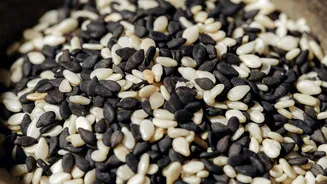
To be clear, seeds like chia and flax are genuinely nutritious. They are excellent sources of plant-based omega-3 fatty acids (specifically ALA), soluble fibre, and various minerals. Research suggests that these components can contribute to better heart health by helping to lower 'bad' LDL cholesterol, reduce inflammation, and modestly lower blood pressure. However, it is crucial to understand that these benefits are part of a larger picture. No single study concludes that seeds alone can prevent heart disease. Experts are clear: these foods are a beneficial addition to a diet, but they are not a replacement for a comprehensively healthy lifestyle or prescribed medications. They are best seen as a complement, not a cure.
The Power of the Overall Pattern
Leading health organisations like the American Heart Association consistently emphasize that our overall dietary pattern is what matters most for cardiovascular health. Think of it like building a house; one high-quality brick is good, but it's the structure of thousands of bricks working together that provides strength and stability. Similarly, nutrients in food work in synergy. A heart-healthy diet is defined by a consistent pattern rich in a variety of fruits and vegetables, whole grains, lean proteins, and healthy fats. Well-researched eating plans like the Mediterranean diet and the DASH (Dietary Approaches to Stop Hypertension) diet have proven benefits for heart health precisely because they focus on this holistic approach, not on single ingredients.
Building a Heart-Healthy Plate
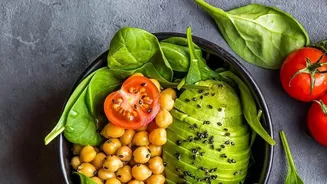
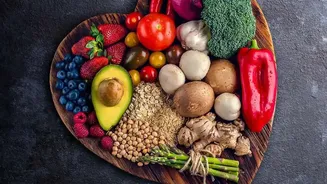
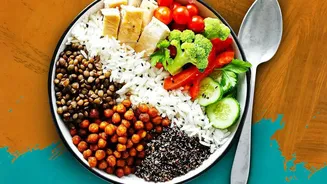
Instead of hyper-focusing on one seed, a more effective strategy is to focus on variety and balance. A heart-healthy eating style emphasizes whole, minimally processed foods. This includes eating plenty of fruits and vegetables of all colours, choosing whole grains like brown rice and whole-wheat bread over refined grains, and incorporating healthy protein sources such as fish, legumes, and nuts. It also means limiting foods high in added sugars, sodium, and unhealthy saturated and trans fats, which are often found in ultra-processed foods. This approach is not about deprivation but about making smarter, sustainable choices day after day. The goal is to create a pattern that nourishes your entire system, rather than chasing the supposed benefits of one isolated food.
Beyond the Plate: A Holistic View
Finally, it's vital to remember that diet is just one piece of the heart health puzzle. While crucial, its benefits are magnified when combined with other healthy habits. Regular physical activity—aiming for about 150 minutes of moderate exercise per week—is fundamental. Equally important are managing stress, getting adequate sleep (7–9 hours a night), not smoking, and limiting alcohol intake. True cardiovascular wellness comes from this integrated lifestyle approach. Relying on a single 'superfood' while neglecting these other factors is unlikely to yield the long-term health benefits we seek.