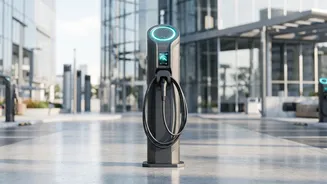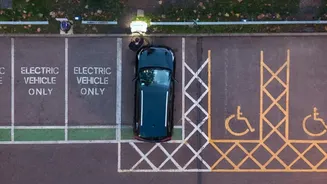







India's electric vehicle market hit the accelerator during the October 2026 festive season, posting a remarkable sales surge that dramatically outpaced the broader passenger vehicle industry. What's behind this charge, and which companies are leading?
A Landmark Month for Electric Mobility
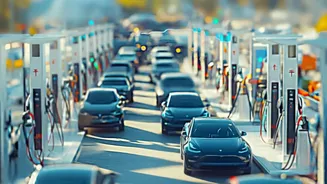
India's shift towards electric mobility gained significant momentum in October 2026, with electric passenger vehicle retail sales soaring by approximately 76% year-on-year. According to data from the Federation of Automobile Dealers Associations (FADA), a total of 37,049 electric cars were registered during the month, a substantial increase from the 20,995 units sold in October 2025. This impressive growth is even more striking when contrasted with the overall passenger vehicle market, which saw a decline. As a result, the market share for electric cars nearly doubled, climbing to 7.3% of all passenger vehicle sales, up from just 3.5% a year prior. This highlights a clear and growing consumer preference for EVs, spurred on by the festive season, rising fuel prices, and a wider availability of models across different price points.
Tata Motors Defends Its Crown
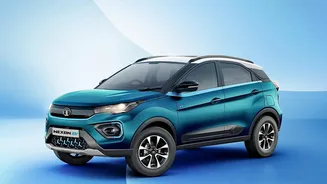
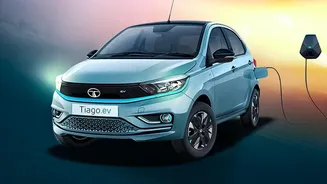
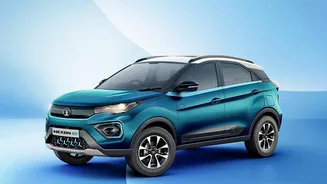
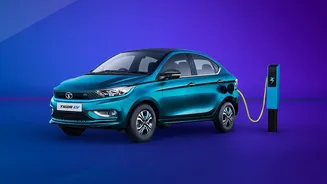
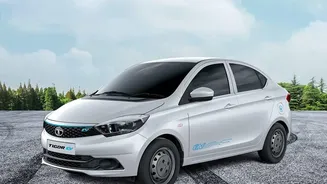
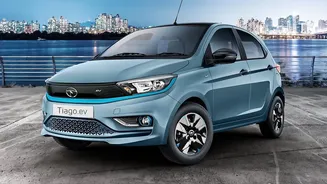
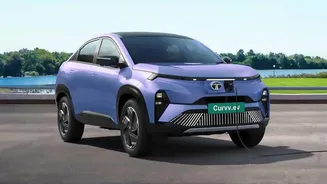
Tata Motors continued its commanding lead in the EV space, accounting for the lion's share of the market. The company registered 14,669 electric vehicles in October, marking a massive 77.6% year-on-year growth. This performance gave Tata a formidable market share of around 40.7%. The success is attributed to its diverse portfolio, which caters to various segments of the market. The Punch EV has emerged as a volume leader, becoming the first standalone electric car in India to cross 5,000 monthly wholesale dispatches. It was followed by strong performances from the ever-popular Nexon EV. With models like the Tiago EV, Curvv EV, and Harrier EV also in its lineup, Tata has successfully built a presence at nearly every price point, solidifying its dominant position.
Mahindra and MG Motor Gain Serious Ground
While Tata leads, the competition is heating up, with domestic rival Mahindra & Mahindra making significant strides. Mahindra secured the second spot with an impressive 8,538 units sold, a remarkable 85.7% year-on-year growth that outpaced the industry average. This performance boosted its market share to 23.7%. Models like the XEV 9S and BE 6 have helped bolster its position, with the company recording its highest-ever monthly electric SUV sales. JSW MG Motor India held onto the third position, retailing 5,939 units. Although its yearly growth of 10.8% was more modest, it maintained a strong market footprint with an EV market share of about 16%. Together, Tata and Mahindra now control nearly 65% of India's electric car market, showcasing the strengthening grip of homegrown manufacturers.
New Entrants and Luxury Segment Growth
The market is also witnessing the rise of other players. Vietnamese automaker VinFast, which entered India around 15 months ago, showed extraordinary growth, with registrations surging from just 142 units in October 2025 to 2,571 in October 2026. Even Maruti Suzuki is gradually increasing its EV presence. The surge isn't limited to the mass market. The luxury EV space also saw robust growth of 53.1% year-on-year, with a total of 868 highnd electric cars sold. BMW led this niche segment with 462 registrations , capturing over half of the luxury EV market . It was followed by Tesla , which is rapidly establishing itself as a major competitor with 291 units sold , marking a 628% annual surge for the brand . This shows that the appetite for electric vehicles in India is growing across all price brackets.