


Decoding the Dirty Matcha
At its core, a dirty matcha is a simple yet inventive hybrid: a standard matcha latte with a shot of espresso poured over it. The name follows a familiar café pattern, similar to a 'dirty chai', where adding an espresso shot 'dirties' the original drink.
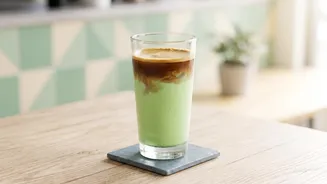
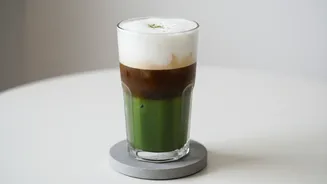
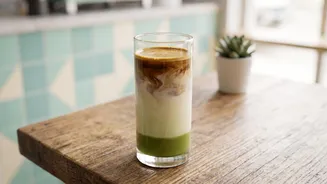
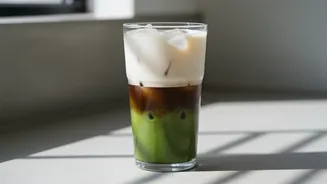
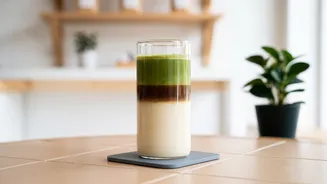
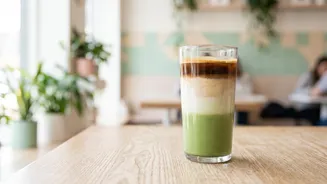
Visually, the dark, intense coffee creates a stunning swirl or layered effect as it sinks into the vibrant green tea and milk, a characteristic that has made it a star on social media platforms like TikTok and Instagram. This modern café creation is not a traditional Japanese drink but rather a product of global coffee culture's love for experimentation. It brings together two of the world's most popular caffeine sources into a single, eye-catching glass.
A Complex Collision of Flavours
The primary allure of a dirty matcha lies in its unique taste profile, which balances the distinct characteristics of its two main ingredients. Matcha offers an earthy, grassy, and slightly sweet flavour with a savoury 'umami' depth. In contrast, espresso brings a robust, roasted bitterness and an aromatic punch. When combined, neither flavour completely overpowers the other. Instead, the creamy milk acts as a mediator, with the matcha softening the sharp edge of the espresso, and the coffee lending a bold weight and complexity that a plain matcha latte lacks. The result is a nuanced beverage that is simultaneously earthy, roasted, creamy, and pleasantly bitter, offering a different experience with every sip depending on how it's mixed.
The Best of Both Worlds: Energy and Focus
Beyond its taste and appearance, the dirty matcha appeals to those seeking a specific kind of energy boost. Coffee provides a quick, powerful jolt of caffeine, while matcha offers a gentler, more sustained release of energy. This is due to an amino acid in matcha called L-theanine, which is known for promoting a sense of 'calm alertness' and can help moderate the jittery side effects some people experience from coffee. By combining the two, a dirty matcha delivers a potent double dose of caffeine—roughly 120-150 mg per cup—but the L-theanine may help smooth out the energy spike, providing a more balanced and focused buzz than espresso alone. This makes it a popular choice for a productive morning or a much-needed afternoon pick-me-up.
Why This Trend Is Taking Over
The rise of dirty matcha in India is part of a larger global trend. Recent data shows a significant surge in matcha-related searches across the country, with breakout interest in variations like dirty matcha. Its popularity is driven by several factors. The drink's layered appearance makes it highly photogenic and shareable, fuelling its viral spread online. Furthermore, as Indian café culture becomes more experimental, the dirty matcha fits perfectly as an innovative offering that bridges the gap between the nation's massive coffee-drinking population and the growing community of matcha enthusiasts. For many, it serves as an accessible entry point into the world of matcha, blending its unique flavour with the familiar taste of coffee.
Crafting Your Own at Home
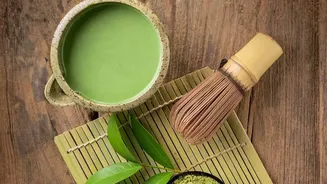
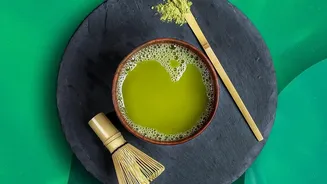
Making a café-quality dirty matcha at home is surprisingly simple. For the best results, especially with an iced version, the key is to layer the components. Start by preparing your matcha. Sift one or two teaspoons of ceremonial-grade matcha powder into a bowl to avoid clumps, add a few tablespoons of hot (not boiling) water, and whisk vigorously until frothy. Pour your choice of milk over a glass full of ice, then slowly pour the prepared matcha on top. Finally, brew a shot of espresso or strong coffee and gently pour it over the milk and matcha. Watch the layers form, then stir before you drink to combine the distinct flavours into one harmonious and energising beverage.