







The Race Against the Clock
For perishable goods, time is the enemy. Every hour that passes after harvesting, flowers begin to wilt, fruits lose their firmness, and the efficacy of sensitive medicines can diminish. The primary advantage of air freight is its unparalleled speed.
A journey that could take weeks by sea freight is reduced to mere hours or a couple of days by air. This drastic reduction in transit time is the first and most critical step in preserving freshness, minimising spoilage, and ensuring high-value, delicate products reach consumers in peak condition. For industries dealing in items with a short shelf-life—like fresh berries, leafy greens, or premium seafood—this speed is not just a benefit, it's a necessity.
More Than Just Speed: The Cold Chain
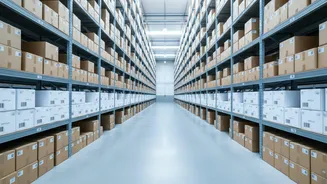
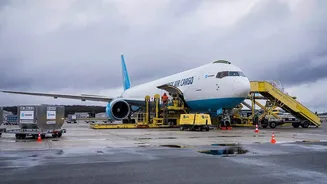
While speed is essential, it's only one part of the equation. The secret to maintaining freshness is the 'cold chain'—an uninterrupted, temperature-controlled supply line from the producer to the final destination. This process begins with pre-cooling goods before they even leave the farm and continues through every stage of transit. Air cargo is a vital link in this chain, offering specialised infrastructure designed to handle temperature-sensitive products. This includes refrigerated trucks for transport to the airport, dedicated cold storage facilities at cargo terminals, and priority handling to ensure perishable items spend minimal time exposed to ambient temperatures on the tarmac.
The Technology of Cool
Modern air cargo relies on sophisticated technology to maintain precise temperatures. Airlines and logistics companies use specialised temperature-controlled containers, often called 'reefers' or Unit Load Devices (ULDs). These are not just insulated boxes; many are active units with their own cooling and heating systems powered by batteries, capable of maintaining a specific temperature range (e.g., +2°C to +8°C for pharmaceuticals) for over 100 hours, regardless of outside conditions. Furthermore, advanced passive containers use innovative insulation and coolants to protect goods. Many of these containers are equipped with real-time monitoring systems that use GPS and sensors to track temperature, humidity, and location, allowing shippers to ensure the integrity of their products throughout the entire journey.
An Economic Decision for High-Value Goods
Air freight is significantly more expensive than sea freight, often costing four to five times more per kilogram. So, why do businesses choose it? The decision is a calculated one based on the value and nature of the goods. For high-value items like pharmaceuticals, fresh flowers for Valentine's Day, or luxury foods like cherries and king crab, the higher shipping cost is a small price to pay to prevent spoilage and protect the product's market value. By ensuring faster delivery, air freight allows businesses to maintain lower inventory levels and respond quickly to market demand, which can offset the transportation costs. Ultimately, the premium for air speed is justified when the value preserved outweighs the cost of the flight.