

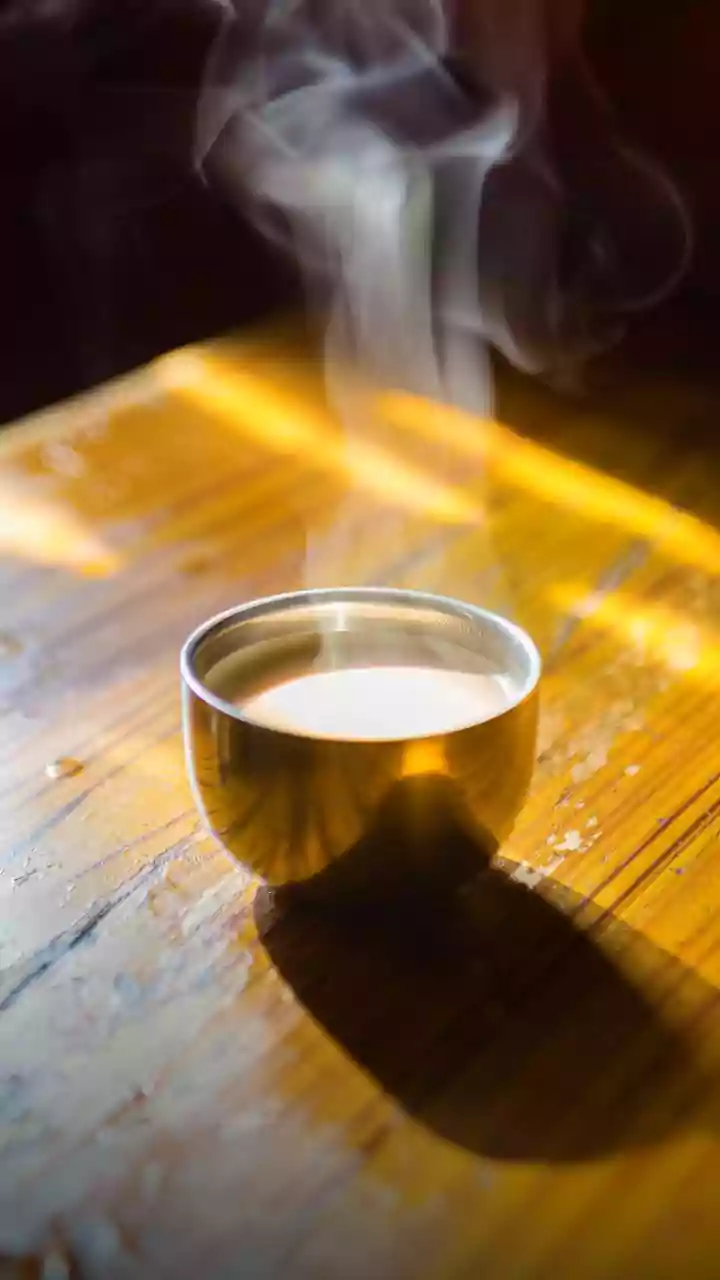





A Hidden Risk in a Comforting Cup
The simple pleasure of a steaming cup of 'chai' is a cornerstone of daily life for millions in India. From kick-starting the morning to punctuating afternoon breaks, it's a non-negotiable ritual. We often associate it with comfort and wellness, but health
experts are highlighting a crucial detail: the temperature. While we love our tea piping hot, consuming beverages that are scalding can pose a significant health risk over time. The issue isn't the tea itself—which is packed with health benefits—but the repeated thermal injury it can cause to our bodies. This concern has led global health bodies to investigate the long-term effects of this seemingly harmless habit.
What the Science Says About Temperature
The primary concern associated with drinking very hot beverages is the increased risk of esophageal cancer. The International Agency for Research on Cancer (IARC), a part of the World Health Organization, has classified drinking very hot beverages—specifically those above 65°C (149°F)—as "probably carcinogenic to humans". The science behind this is straightforward: repeatedly exposing the lining of your esophagus to scalding liquids causes thermal injury. This damage can lead to chronic inflammation and cause the cells to regenerate more frequently. Over time, this constant process of injury and repair can lead to cellular changes that may increase the risk of developing cancer. Studies, including a significant one in Iran involving over 50,000 people, have shown a clear link between drinking tea at temperatures of 60°C or higher and a notably increased risk of esophageal squamous cell carcinoma.
Finding the 'Just Right' Goldilocks Zone
So, how hot is too hot? Most research points to temperatures above 60-65°C as the danger zone. For context, tea is often brewed with boiling water (100°C) and can still be well above 70°C when poured. The good news is that preventing this risk requires only a small, simple change in your routine. You don't have to give up your beloved tea; you just need to give it a moment to cool down. Experts advise waiting a few minutes after pouring before you start sipping. A simple test is to take a small sip first—if it feels uncomfortably hot, it is. Aim for a 'warm' or 'tolerably hot' temperature rather than 'scalding'. Adding a splash of milk can also help bring the temperature down to a safer level more quickly.
Beyond the Major Risks: Other Benefits of Going Warm
While cancer risk is the most serious concern, it isn't the only reason to let your tea cool. Drinking beverages that are too hot can also damage your taste buds and tooth enamel. From a culinary perspective, a slightly cooler temperature can even enhance your experience. Many tea connoisseurs argue that when a tea is too hot, the extreme temperature masks the subtle and complex flavours of the blend. Letting it cool allows the aromatic compounds to express themselves more fully. Furthermore, sipping a warm—not hot—beverage can be just as beneficial for digestion and promoting a sense of calm. Some research even suggests warm liquids help the body absorb fluids more efficiently than ice-cold drinks.