




The New Reality of the Indian Kitchen
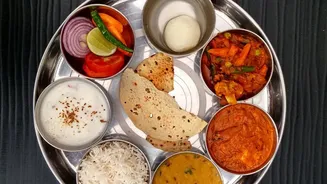
The cost of putting food on the table is climbing. Recent reports show a noticeable increase in the cost of a home-cooked thali, with prices for both vegetarian and non-vegetarian meals rising year-on-year. This inflation isn't due to a single item, but
a combination of factors, including higher prices for staples like onions, edible oils, and cooking gas. Economists project that food inflation could persist, driven by weather-related risks and global events that affect energy and logistics costs. For many households, where food constitutes a significant portion of monthly spending, these creeping costs leave less room for other essential expenses and savings.
The True Cost of Convenience
In response to a busy schedule, ordering from a food delivery app or eating out can feel like an easy solution. However, this convenience comes at a steep price. When you tally up the costs of multiple takeout meals per week, the monthly and annual expenses can be staggering. By contrast, cooking at home is significantly more economical. Even with rising grocery prices, a well-planned shopping trip allows you to buy ingredients in quantities that can produce multiple meals, drastically lowering the cost per serving. The financial gap between a daily takeout habit and consistent home cooking can amount to thousands of rupees saved over a year, money that can be redirected towards other financial goals.
More Than Just Saving Money
The benefits of reclaiming your kitchen extend far beyond your wallet. Preparing your own meals gives you complete control over the ingredients, allowing you to reduce salt, sugar, and unhealthy fats often found in restaurant food. This leads to more nutritious, balanced meals and better health outcomes. Furthermore, the act of meal planning and preparation can be a major stress reducer. Knowing what you’re going to eat each day eliminates last-minute decision fatigue and the frantic rush to figure out dinner after a long day at work. It also frees up valuable time during the week that would otherwise be spent cooking daily.
How to Start Meal Prepping
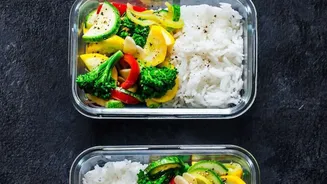
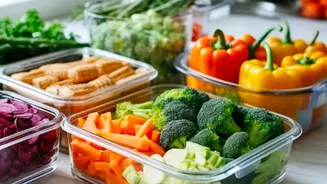
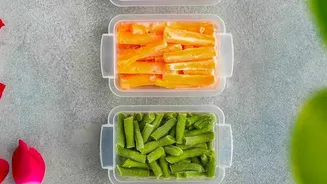
The idea of preparing a week's worth of food can seem daunting, but starting is easier than you think. The key for an Indian kitchen is to prep bases and components rather than entire meals. Dedicate a few hours over the weekend to a few simple tasks. You can start by chopping common vegetables like onions and tomatoes, or preparing a large batch of onion-tomato masala, which forms the base for countless curries and sabzis. Boiling lentils, cooking a batch of rice, or preparing chutneys are other simple steps that can save immense time during the week. Store these prepped items in clean, airtight containers in the refrigerator to keep them fresh.
Smart Strategies for Success
To make meal prepping a sustainable habit, it's important not to overcomplicate it. Start small by planning and prepping for just two or three days a week. Before you go shopping, take an inventory of your pantry and fridge to see what you already have. This simple act prevents you from buying duplicates and reduces food waste. Create a shopping list based on the meals you've planned and stick to it to avoid impulse buys. Embrace leftovers by cooking slightly larger portions; what's for dinner one night can easily become lunch the next day, saving both time and money.