



What Exactly Is Rooibos?
Rooibos, which means 'red bush' in Afrikaans, is not a true tea from the Camellia sinensis plant like black or green tea. Instead, it is a tisane, or herbal infusion, made from the needle-like leaves of the Aspalathus linearis shrub. This plant is incredibly
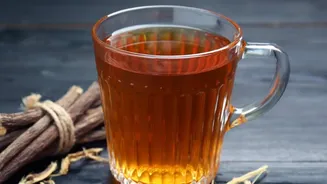
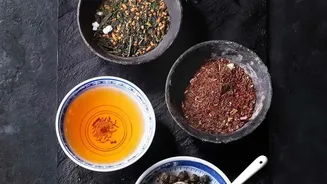
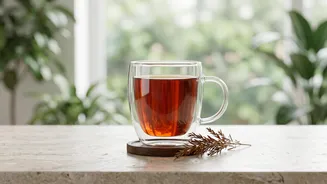
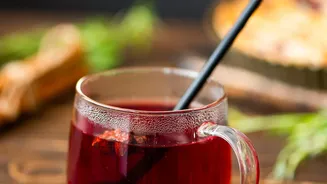
unique because it grows exclusively in one small, mountainous region of South Africa's Western Cape: the Cederberg. All attempts to cultivate it elsewhere have failed, making it a true geographical treasure. The leaves are harvested, then fermented, a process which develops their characteristic reddish-brown hue and enhances their naturally sweet, earthy flavour.
The Caffeine-Free Wellness Boost
A major driver of rooibos's popularity is what it lacks: caffeine. For those looking to reduce their caffeine intake without giving up the ritual of a warm beverage, it's an ideal choice. But its benefits go far beyond that. Rooibos is packed with antioxidants, including the rare compound aspalathin, which is being studied for its potential health-supporting properties. Research suggests these antioxidants can help fight oxidative stress in the body, which is linked to chronic diseases. While more human studies are needed, preliminary findings indicate that rooibos may support heart health, help manage blood sugar levels, and possess anti-inflammatory properties.
From Local Heritage to Global Staple
For centuries, rooibos was a local secret, first used by the indigenous Khoisan people of the Cederberg region for its medicinal properties. It became more widely known in the 20th century and is now a symbol of South African heritage. Today, its global reach is undeniable. The global rooibos market was valued at USD 1.5 billion in 2025 and is projected to grow steadily. Exports have surged, reaching over 10,000 tonnes in 2025 and landing in more than 50 countries. Japan is currently the largest importer, with established markets in Germany, the Netherlands, and the UK also showing strong, consistent demand.
A Taste of the Cederberg Mountains
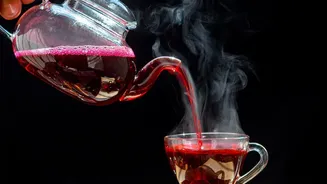
Beyond its health halo, rooibos is loved for its unique taste. It has a smooth, gentle profile that is naturally sweet with hints of vanilla and a slightly nutty finish. Unlike black tea, it is low in tannins, which are compounds that can interfere with iron absorption and sometimes cause bitterness. This low tannin content means it's almost impossible to over-steep; it just gets richer and deeper in flavour. While traditionally enjoyed hot, sometimes with milk and honey, its versatility is now part of its modern appeal. It makes a refreshing iced tea and is increasingly used as a base for lattes, cocktails, and even in cooking.
Protected and Authentic
To protect its unique heritage, 'Rooibos' has been granted Protected Designation of Origin (PDO) status by the European Union, making it the first African food product to receive this honour. This is the same protection given to products like Champagne and Darjeeling tea, legally ensuring that only tea from the designated South African region can be called Rooibos. This certification guarantees authenticity and quality for consumers worldwide and acknowledges the deep cultural roots and generations of know-how embedded in its production.