

The World's Most Important Chokepoint
The Strait of Hormuz is a narrow channel of water separating Iran and Oman. At its narrowest point, the strait is only 21 miles wide, with shipping lanes just two miles wide in each direction. This constrained geography makes it a natural chokepoint,
a term for a strategic narrow passage that can be easily controlled or disrupted. For centuries, it has served as a vital maritime gateway, but its modern significance is tied directly to the vast oil and gas reserves of the Middle East. Countries like Saudi Arabia, the UAE, Kuwait, Iraq, and Iran depend on this strait to get their energy exports to global markets, making its stability essential for the world economy.
A River of Oil and Gas
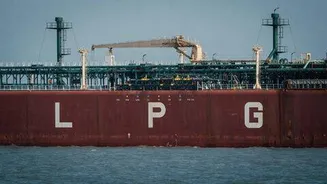
Before the recent conflict escalated, the numbers were staggering. Approximately 21 million barrels of oil and petroleum products passed through the strait every day. This accounted for about 20-21% of global petroleum liquids consumption, or roughly one-fifth of the world's total supply. It's not just oil; the strait is also critical for Liquefied Natural Gas (LNG), with nearly 20% of the global LNG trade, primarily from Qatar and the UAE, passing through it. The vast majority—over 80%—of these energy exports were destined for Asia, with China, India, Japan, and South Korea being the top destinations. India alone was the second-largest destination for oil transiting the strait.
From Tensions to Open Conflict
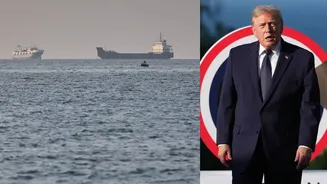
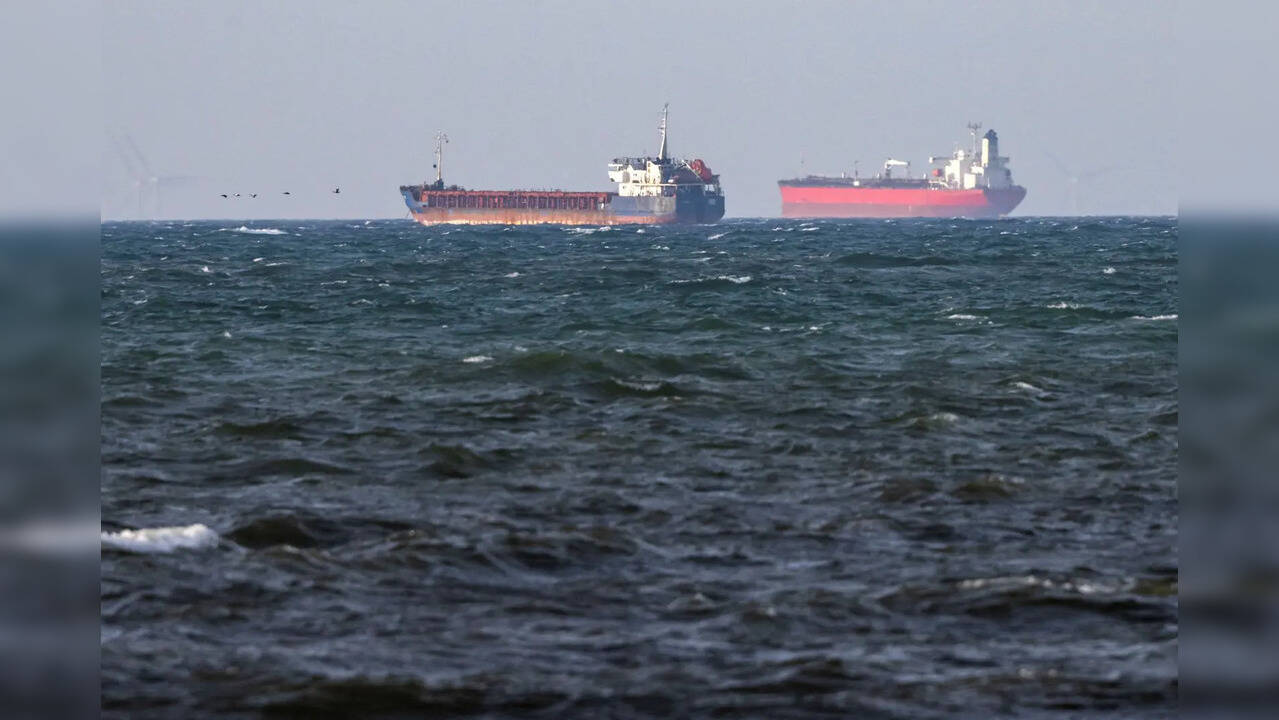
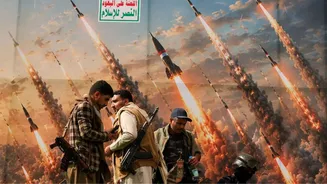
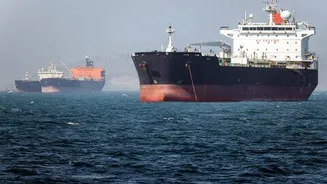
The headline's reference to "war" reflects the severe escalation of long-standing tensions in the region. Recent months in 2026 have seen these simmering disputes boil over into direct military confrontations. Reports have emerged of attacks on oil tankers, including a vessel from the UAE's state oil company, with dozens of such incidents logged. Iran has linked any reopening of the strait to major concessions from the US, including the lifting of sanctions and financial compensation, while diplomatic talks mediated by Oman are ongoing. The situation remains extremely volatile, with unconfirmed reports of missile strikes and the presence of naval mines turning the waterway from a crowded shipping lane into a high-risk conflict zone. As a result, ship traffic has plummeted, with many vessels now avoiding the strait altogether.
The Global Economic Shockwave
The disruption has sent shockwaves through the global economy. A sudden halt to nearly a fifth of the world's oil supply inevitably leads to soaring prices. The cost of shipping has skyrocketed, as war-risk insurance premiums for vessels daring to enter the region have surged. Those who can, divert. But the alternatives are limited and costly. Saudi Arabia and the UAE have pipelines that can bypass the strait, but they cannot handle the full volume of exports. For countries like Iraq, Kuwait, and Qatar, there is virtually no alternative route. The crisis has highlighted the fragility of global supply chains and forced many countries to consider drawing upon their strategic petroleum reserves to cushion the immediate blow.
India's Energy Security at Risk
For India, the closure of the Strait of Hormuz is not a distant crisis; it is a direct threat to its economic stability and energy security. As a major importer, India relies heavily on crude oil and LNG shipments from the Persian Gulf that transit the strait. Before the conflict, India was the second-largest recipient of oil passing through Hormuz. The disruption immediately impacts India's import bills, leading to higher prices for fuel, which in turn affects everything from transportation costs to household budgets and industrial production. The crisis has exposed vulnerabilities and intensified the need for India to diversify its energy sources and build greater resilience against such geopolitical shocks.