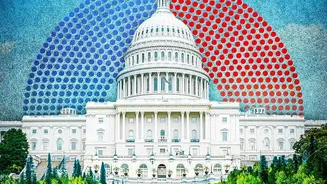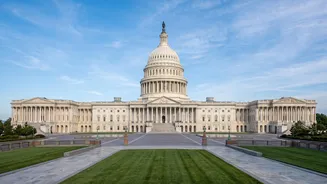


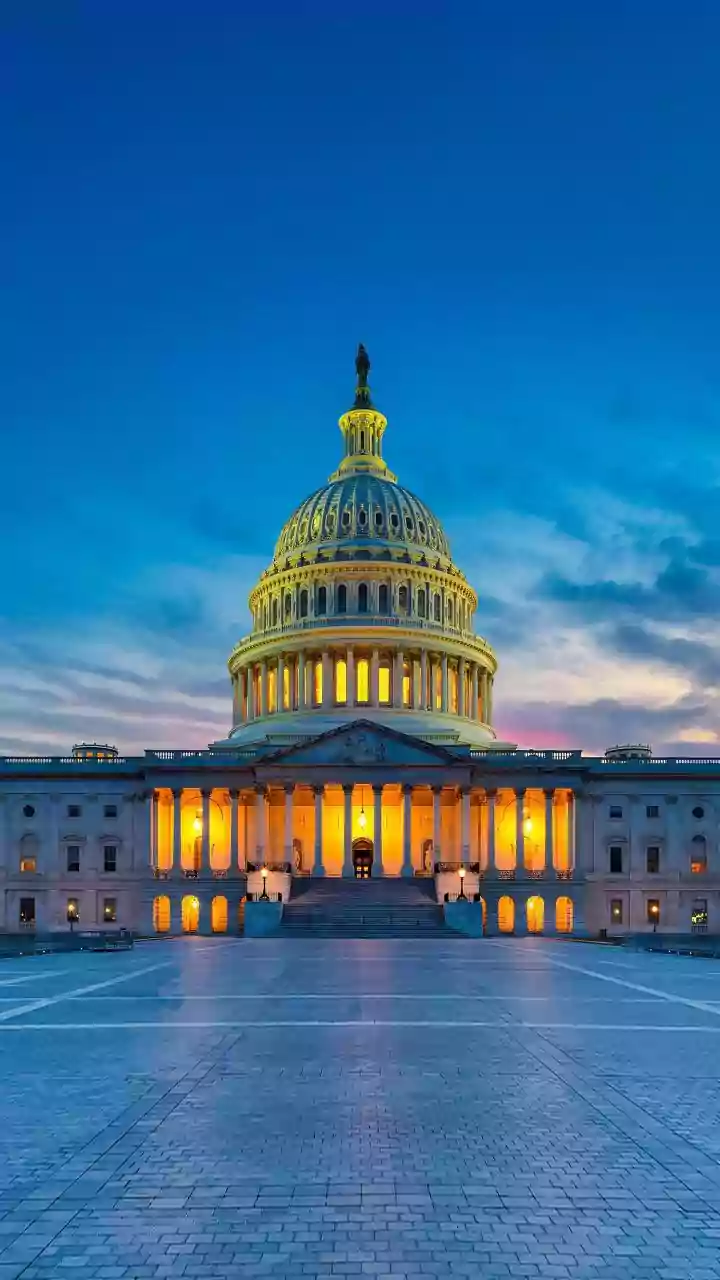
The 2026 midterm elections have delivered a dramatic shift in Washington, handing Democrats control of both the House and Senate. This sets up a tense dynamic with President Trump, placing his most powerful legislative tool—the veto—at the very center
of American politics.
What Exactly Is a Presidential Veto?
A veto is the president's constitutional power to reject a bill passed by Congress. Outlined in Article I, Section 7 of the U.S. Constitution, it is a cornerstone of the checks and balances between the legislative and executive branches. When Congress passes a bill, it is sent to the president, who has ten days (excluding Sundays) to act. If the president signs it, it becomes law. If he does nothing while Congress is in session, it also becomes law. But if he returns the bill to Congress without a signature, that's a veto. This action prevents the bill from becoming law unless Congress can successfully fight back.
The New Power Dynamic in Washington
The midterm results signal an end to unified Republican government and the beginning of a new era of divided power. With Democrats now setting the legislative agenda in both the House and the Senate, President Trump can no longer rely on a friendly Congress to pass his priorities or block bills he opposes. Instead, nearly every major piece of legislation will become a potential point of conflict. Democratic majorities will likely pass bills on issues like healthcare, climate policy, and tax reform that are in direct opposition to the president's platform. This forces President Trump to decide between signing legislation that contradicts his own agenda or using his veto pen frequently, making it his most visible and potent policy weapon.
The Difficult Math of a Veto Override
A presidential veto is powerful, but not absolute. Congress can override a veto, turning a rejected bill into law without the president's signature. However, the threshold for an override is deliberately high to ensure it only happens with broad, bipartisan consensus. It requires a two-thirds vote in both the House of Representatives and the Senate. With all members present, that means 290 votes in the House and 67 votes in the Senate are needed. Historically, overrides are rare. Of the more than 2,500 vetoes issued since 1789, Congress has only successfully overridden just over 100. During his first term, Trump was overridden only once, on a defense spending bill. Even with majorities in both chambers, Democrats will still need to convince a significant number of Republicans to break with their party's leader to overcome a veto—a monumentally difficult task in today's polarized climate.
Likely Flashpoints and Legislative Battles
The policy differences between the two parties suggest several areas ripe for confrontation. Democrats may pass legislation to expand healthcare access, implement new environmental regulations, or reverse tax cuts enacted during Trump's term. Each of these would likely trigger a swift veto. Likewise, congressional Democrats are expected to use their newfound power to conduct vigorous oversight of the administration, leading to clashes over funding for government agencies and policy riders attached to essential spending bills. While many of these Democrat-led bills may be 'dead on arrival' at the White House, the act of passing them serves a political purpose: it forces the President to take a public stance by vetoing popular initiatives, which can then become a key issue in the next election cycle.
The Veto as a Bargaining Chip
Beyond simply blocking legislation, the threat of a veto is a powerful tool for negotiation. A president can use the possibility of a veto to pressure lawmakers into changing a bill before it even reaches his desk. President Trump himself has previously noted that the veto power can lead to 'working out deals'. While the next two years are likely to feature significant gridlock, there will be must pass items, such as bills to fund the government or raise the debt ceiling. It is on these crucial pieces of legislation that the new divided government will truly be tested, forcing both sides to the negotiating table to find compromises that can pass both chambers and earn a presidential signature, all while navigating the new political reality.