


The magic of making your own candles is undeniable. But as you gather your supplies, you face a foundational choice: soy or paraffin wax? This decision affects everything from scent to burn time, so let's break down the differences.
The Case for Soy Wax
Soy wax has become
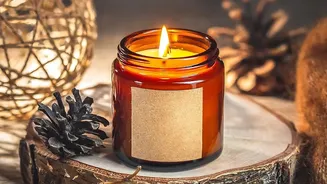
a favourite in the craft community, largely due to its natural origins. Derived from hydrogenated soybean oil, it's a renewable resource, which is a significant draw for eco-conscious creators. One of its most praised qualities is its clean and slow burn. Soy wax has a lower melting point than paraffin, which means a soy candle will typically last longer than a paraffin one of the same size. This also results in less soot, helping to keep your jars and walls cleaner. Because it adheres well to glass, soy wax is the go-to choice for container candles, whether in jars, tins, or tumblers. While it’s often lauded as beginner-friendly, it does have a learning curve. Achieving a perfect, smooth top can be tricky, as soy is prone to a crystalizing effect known as 'frosting'.
The Case for Paraffin Wax
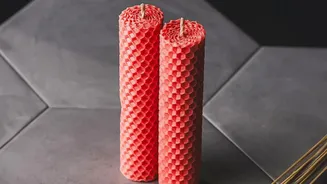
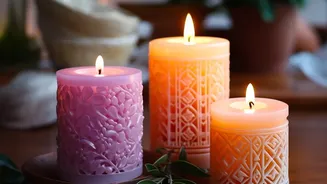
Paraffin wax is the traditional, time-tested choice for candle making. As a byproduct of the oil refining process, it's widely available and generally less expensive than soy wax. Its main claim to fame is its outstanding ability to throw a scent. Paraffin is capable of holding a higher concentration of fragrance oil and releases it more effectively, creating a strong 'hot throw' that can quickly fill a room. It’s also prized for its versatility and aesthetic qualities. Paraffin wax provides a smooth, glossy finish and takes dye exceptionally well, resulting in vibrant, consistent colours. Unlike soy, which is primarily suited for containers, paraffin is firm enough to be used for standalone pillar candles, votives, and wax melts. This makes it a highly reliable and flexible medium for creators who want powerful scents and a polished look.
Health and The Environment
The health debate between soy and paraffin is often oversimplified. Paraffin's link to petroleum raises concerns, with some sources noting it can release compounds like benzene and toluene when burned. However, many studies and industry experts assert that food-grade, highly refined paraffin wax is non-toxic and safe for indoor use when used in a properly constructed candle. On the other hand, while soy wax is renewable, the environmental impact of large-scale soybean farming—including deforestation and pesticide use—is a valid concern. The consensus among many candle makers is that the quality of the candle's construction, particularly using the correct wick size to ensure complete combustion, is more critical to a clean burn than the type of wax itself. An over-wicked candle of any wax type will produce more soot.
Performance and Ease of Use
When it comes to performance, your priorities will determine the winner. If a powerful, room-filling fragrance is your top goal, paraffin is hard to beat. If you prefer a longer-lasting candle with a more subtle, gradual scent release, soy is your champion. For beginners, soy wax can be forgiving in some ways, as it’s easy to melt and pour. However, its tendency to frost or form 'wet spots' (where the wax pulls away from the container) can be frustrating. Paraffin often provides more consistent cosmetic results but requires careful temperature management to avoid bubbles and shrinkage. To get the best of both, many candle makers use paraffin-soy blends, which offer improved scent throw over pure soy and a cleaner burn than pure paraffin.