

The Modern Ragi Revival
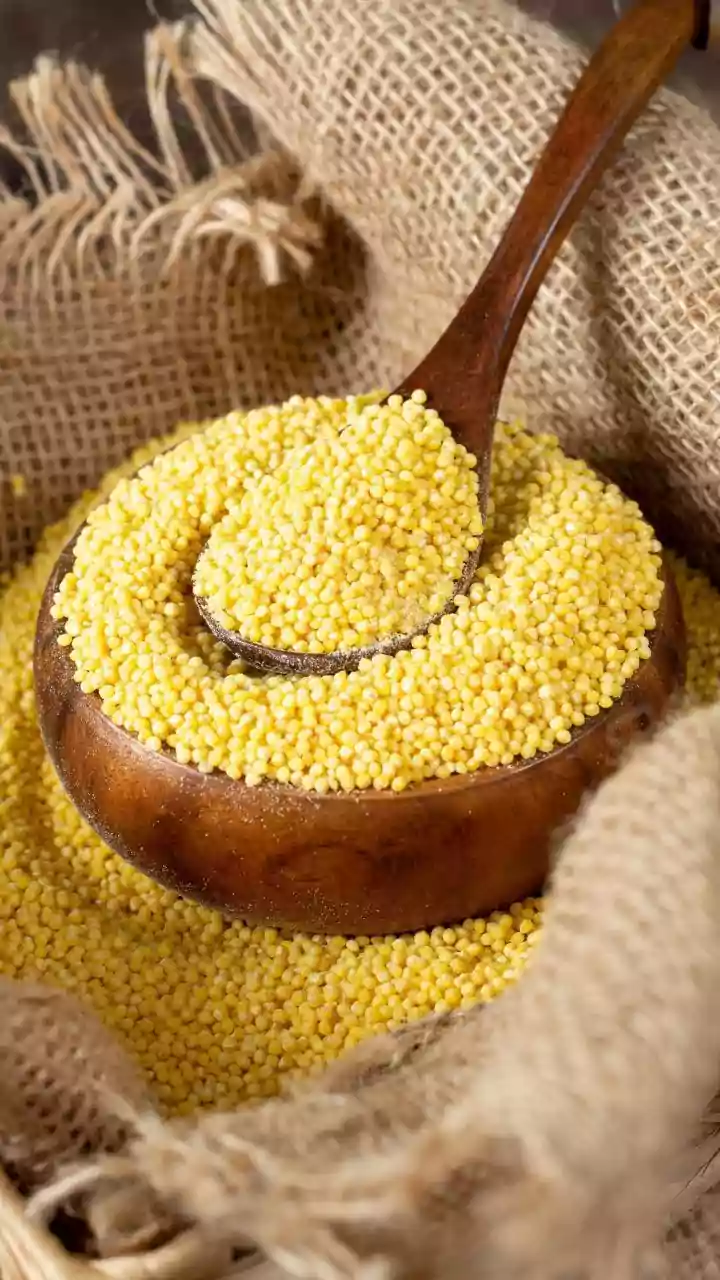
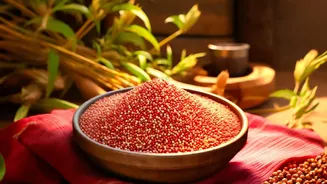
Ragi, also known as finger millet, is experiencing a remarkable comeback. Once considered a traditional grain, it is now celebrated by a new generation of home cooks and health enthusiasts. This revival is driven by a growing awareness of its incredible
nutritional profile and its versatility in the kitchen. Naturally gluten-free, ragi is packed with calcium, iron, and dietary fibre. Its low glycemic index makes it an excellent choice for managing blood sugar levels, while its high fibre content aids in weight management by keeping you feeling full for longer. As people seek out healthier and more sustainable food choices, this ancient grain is being rediscovered as a modern superfood.
Beyond Porridge and Roti
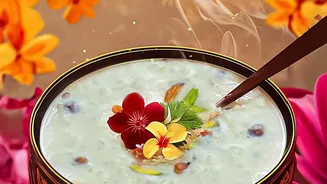
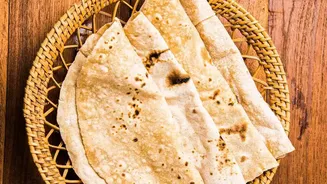
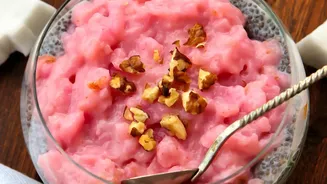
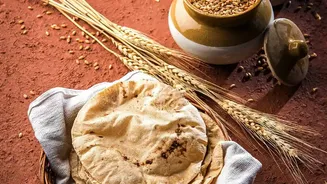
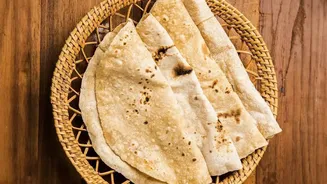
While ragi porridge (kanji) and rotis are timeless classics, the new wave of ragi cooking invites you to think outside the box. The earthy, nutty flavour of ragi flour makes it a fantastic ingredient for a wide array of dishes, both sweet and savoury. The key is to understand how to work with its unique texture. Since it's gluten-free, it doesn't bind in the same way as wheat flour. A common trick to make soft rotis or dough is to use hot water during kneading, which helps release the starches and makes the dough more pliable. This simple technique opens the door to a world of culinary possibilities, from breakfast to dessert.
The Rise of Ragi Baking
One of the most exciting new frontiers for ragi is in baking. Home bakers are now incorporating ragi flour into everything from decadent chocolate cakes and brownies to wholesome cookies and breads. Its slightly malty flavour pairs wonderfully with ingredients like chocolate, banana, and jaggery. A good starting point is to substitute 30-40% of the regular flour in your favourite recipe with ragi flour. This adds a nutritional boost and a delightful, dense texture to your baked goods. You can find recipes for ragi banana cake, ragi cookies, and even ragi pizza bases, proving that healthy eating doesn't mean sacrificing flavour.
Sprouting for Better Nutrition
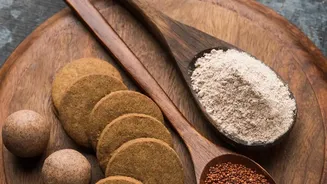
To elevate the health benefits of ragi even further, consider using sprouted ragi flour. The process of sprouting, or germination, enhances the grain's nutritional profile significantly. Sprouting breaks down anti-nutrients, making minerals like calcium and iron more easily absorbable by the body. It also increases the levels of vitamins and antioxidants. Sprouted ragi flour is known for being easier to digest, making it an excellent food for all ages, from infants to the elderly. You can make your own at home or find it readily available online and in health food stores. This nutrient-dense flour can be used in pancakes, smoothies, and porridges for a powerful start to your day.
Creative Snacks and Breakfasts
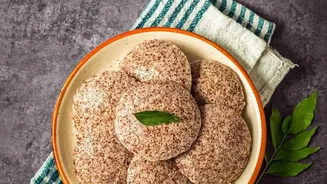
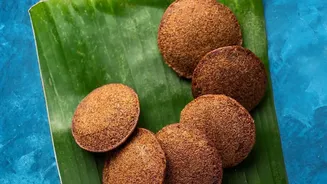
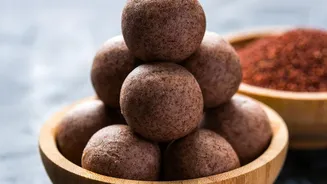
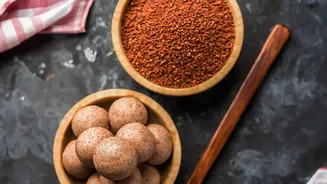
Injecting ragi into your daily meals can be fun and easy. For a quick and savoury breakfast, try making instant ragi dosas or cheelas; they don't require the lengthy fermentation of traditional dosas. Simply mix ragi flour with curd or buttermilk, add some spices and finely chopped vegetables, and you have a batter ready in minutes. Ragi flour can also be used to make fluffy pancakes, savoury upma, or steamed idlis. For a healthy snack, you can prepare baked ragi namak pare (savory crackers) or nutrient-packed ragi ladoos, which are a great alternative to sugary sweets.