





The Anatomy of a Paratha Disaster
We’ve all been there. You lovingly prepare a flavourful stuffing, carefully fold your dough, and begin to roll, only to see the filling burst through the seams. Once it hits the hot tawa, the disaster unfolds. Escaping moisture turns to steam, which prevents
the dough from getting that desirable golden-brown crispness. Instead of a flaky, layered delight, you get a paratha that’s unevenly cooked, damp in some spots and burnt in others. The primary culprit is almost always moisture. Whether it's from potatoes, onions, or cauliflower, excess water in your filling is the enemy of a crisp paratha.
Why the Seal is Your Secret Weapon
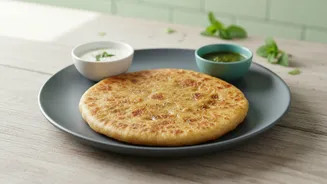
A well-sealed paratha isn't just about keeping the filling contained; it's about controlling the cooking environment. When the filling is securely encased, the moisture inside gently steams the filling from within, cooking it perfectly. Meanwhile, the outer layers of dough are free to interact directly with the hot surface of the tawa, allowing them to become crisp and flaky. A proper seal ensures even heat distribution, so you don't have undercooked dough next to a perfectly browned spot. It transforms the paratha from a potential failure into a self-contained little package of culinary perfection.
Mastering the Filling: Your First Line of Defence
The battle for a perfect seal begins with a dry filling. For vegetable fillings like gobi or mooli, grating and then salting them for 10-15 minutes is essential. The salt draws out excess water, which you must squeeze out thoroughly before adding other spices. For aloo parathas, avoid overcooking the potatoes and let them cool naturally instead of in water. Many cooks also recommend adding a binding agent like roasted besan (gram flour), breadcrumbs, or crumbled paneer to the filling to absorb any lingering moisture. Finally, always let a hot stuffing cool to room temperature before using it, as heat can cause the filling to expand and break the seal.
Techniques for a Flawless Seal
There are two popular methods for sealing a paratha. The first is the 'potli' or dumpling method. You roll a single disc of dough, place a ball of filling in the centre, and then gather the edges of the dough up and around the filling. You bring the pleats together at the top, twist to seal, and pinch off any excess dough. The second is the 'double disc' method, where you roll out two smaller, identical rotis. You spread the filling on one disc, leaving a small border around the edge, place the second disc on top, and press the edges firmly to seal. Whichever method you choose, avoid overstuffing; a 1:1 ratio of dough to filling is a good rule of thumb.
The Gentle Art of Rolling and Cooking
Even a perfect seal can be broken by aggressive rolling. Apply light, even pressure and roll from the centre outwards. It’s often better to turn the paratha as you roll rather than dragging the rolling pin across it. Dusting the surface with a little flour helps prevent sticking, but don't overdo it. When it's time to cook, make sure your tawa is pre-heated to medium-high. A pan that's too cool will dry out the paratha, while one that's too hot will burn the outside before the inside is cooked. Cook for about a minute on the first side until you see small bubbles, then flip and apply ghee or oil. Continue flipping every 30 seconds or so for a uniformly crisp and delicious result.