


1. The Evergreen Aloo Paratha
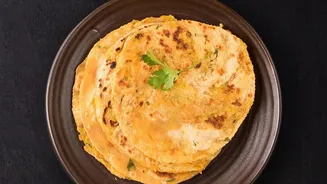
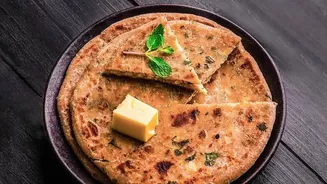
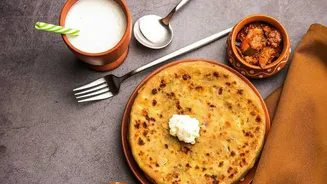
The undisputed king of stuffed parathas, the aloo paratha is a comforting classic for a reason. At a bustling stall, the secret lies in the perfectly spiced, fluffy potato filling and the generous dollop of butter that melts into every bite. The potatoes
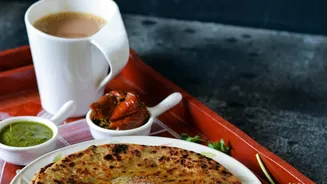
are boiled, mashed until there are no lumps, and mixed with a flavourful combination of ginger, green chillies, chopped cilantro, and a hint of dry mango powder for a tangy kick. To recreate this at home, ensure your mashed potato filling is on the drier side to prevent the paratha from tearing when you roll it. Don’t be shy with the ghee or butter when frying; that crispy, golden-brown finish is essential to capturing the authentic street-food experience. Serve it hot off the tawa with a side of cool curd and a slice of pickle for the perfect contrast.
2. The Hearty Gobi Paratha
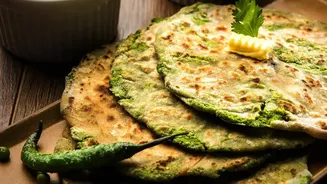
Gobi paratha is a close contender for the top spot, loved for its unique texture and wholesome taste. The magic of a street-style gobi paratha is in the finely grated cauliflower, which is often mixed raw with spices. This ensures the filling retains a slight crunch. The typical masala blend includes grated ginger, green chillies, coriander powder, and sometimes ajwain (carom seeds) to aid digestion. The biggest challenge for home cooks is managing the moisture from the cauliflower. To avoid a soggy paratha, grate the gobi and sprinkle it with salt. Let it sit for about 15 minutes, then squeeze out all the excess water before mixing in your spices. This single step will make your parathas easier to roll and give you a perfectly cooked, non-sticky filling every time.
3. The Protein-Packed Paneer Paratha
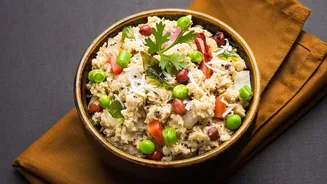
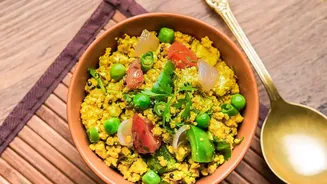
For a richer, more decadent breakfast, the paneer paratha is an absolute favourite. Soft, creamy, and satisfying, it feels like an indulgence. Stalls use freshly crumbled paneer, which is gently mixed with spices like garam masala, red chilli powder, finely chopped green chillies, and lots of fresh coriander. The key is not to over-spice; you want the mild, milky flavour of the paneer to be the star. When making this at home, use the freshest paneer you can find. If it’s too dry, the filling can feel crumbly, and if it’s too moist, it can tear the dough. Gently combine the crumbled paneer with your spices and a little salt. Because the filling is so delicate, some cooks prefer the double-layer method: roll out two thin rotis, spread the filling on one, and cover it with the other, pressing the edges to seal. This makes rolling foolproof and ensures an even layer of stuffing.
4. The Sharp and Savoury Mooli Paratha
Mooli paratha is a rustic classic, especially popular during the winter months but enjoyed year-round. Made with grated white radish (mooli), it has a distinctive sharp flavour that is both refreshing and comforting. Like gobi paratha, the most critical step is managing the water content of the radish. After grating the mooli, you must salt it and let it rest to draw out the moisture, then squeeze it thoroughly. This prevents the parathas from becoming soggy and falling apart on the tawa. The filling is often simply seasoned with green chillies, ginger, and fresh cilantro, allowing the unique taste of the radish to shine through. Some vendors also lightly cook the grated radish with spices to mellow its flavour before stuffing. This paratha pairs wonderfully with plain yogurt or a dollop of white butter, which balances its peppery notes.
5. The Flaky Lachha Paratha
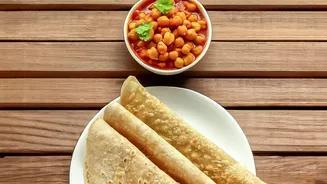
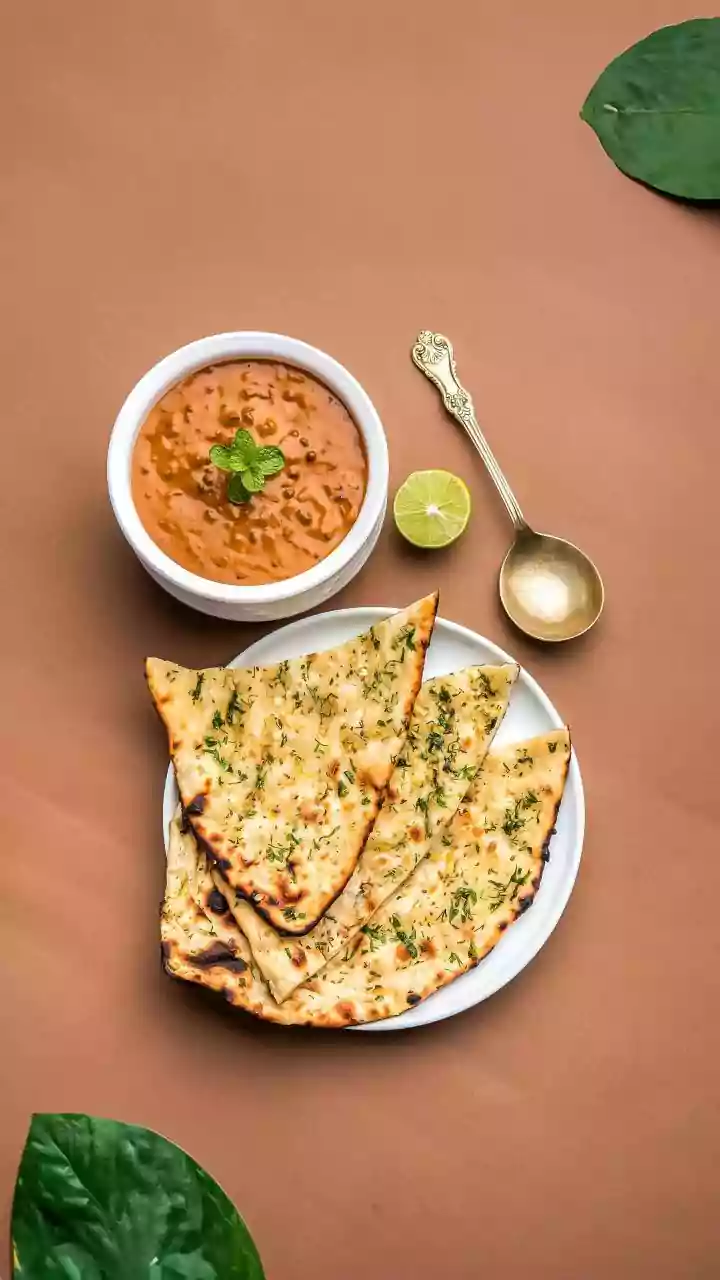
Unlike its stuffed cousins, the lachha paratha is all about technique. Its name, which means 'layered' or 'ringed', refers to the dozens of flaky, separate layers that reveal themselves when you tear it apart. It’s not filled with anything but is a spectacle of texture—crispy on the outside, soft and doughy within. The magic comes from rolling the dough thin, brushing it liberally with ghee, and sprinkling it with dry flour. Then, the dough is pleated like a fan, coiled into a tight spiral, and gently rolled out again. This process creates the signature layers. At stalls, you'll see cooks expertly frying these on a large tawa, pressing down to encourage the layers to separate. To achieve this at home, be generous with the ghee during the layering process and don’t press too hard when rolling the coiled dough. Serve it hot, crushing it slightly between your palms to fluff up the layers before serving with dal makhani, a rich curry, or simply a hot cup of chai.