

The Comfort of the Crunch
There is a science to why a gloomy, overcast day makes us yearn for pakoras and samosas. When the temperature drops and humidity rises, our bodies instinctively seek energy-dense, warm foods to counter the damp chill. Fried snacks, rich in calories and served
hot, are a perfect fit. Beyond the physical, there is an emotional component. Less sunlight can lead to a dip in serotonin, the mood-regulating hormone. The combination of fat, salt, and carbohydrates in fried foods can trigger a dopamine release in the brain's reward centers, providing a quick, satisfying mood lift on an otherwise dreary day. The crispy, crunchy texture provides a powerful sensory contrast to the soft, wet world outside, making the experience deeply satisfying.
Kitchen Wisdom for Gloomy Days
While cravings for fried food are undeniable, traditional Indian kitchen habits are often rooted in the principles of Ayurveda. During 'Varsha Ritu' (the monsoon season), digestive fire, or 'Agni', is believed to be at its weakest. This makes the body more susceptible to infections and digestive issues. Consequently, traditional diets emphasize foods that are warm, light, and easy to digest. Spices like ginger, turmeric, black pepper, and cumin become stars of the monsoon kitchen. These are not just for flavour; they are known to aid digestion and boost immunity. While Ayurveda might caution against excessive fried food, it champions the use of these warming spices, which are conveniently found in everything from masala chai to the batter for bhajiyas. Even the tradition of drinking boiled or warm water is an Ayurvedic principle aimed at protecting digestion.
An Unbeatable Seasonal Menu
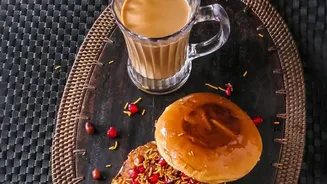
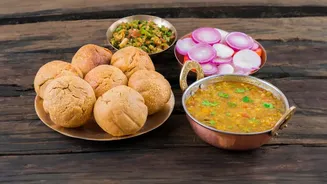
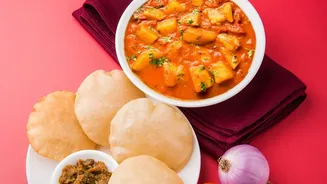
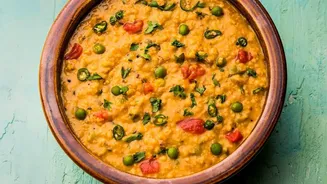
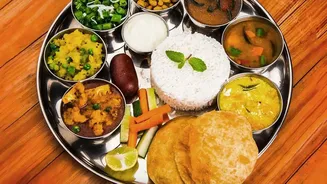
The pairing of chai and pakoras is the undisputed icon of the Indian monsoon. Pakoras, or fried fritters, come in endless varieties—onion, potato, spinach, paneer—each region boasting its own specialty. In Maharashtra, it's Kanda Bhaji and Batata Vada, while in the south, Medu Vada might be preferred. Another monsoon hero is the humble bhutta, or roasted corn on the cob. The smoky aroma of corn being roasted over hot coals at a roadside stall is a classic sign that the rains have arrived. Seasoned with lemon juice, salt, and chili, it offers a tangy, spicy, and satisfying snack. For a more filling meal, dishes like North India's Chole Bhature or Kolkata's Khichuri provide a hearty, soulful comfort perfect for a cool, rainy day.
From the Street to the Home
The monsoon food experience thrives in two distinct spaces: the bustling street and the warm family kitchen. The sizzle of a street vendor's kadai, with people huddled under an awning to escape the downpour, is a scene repeated across the country. Street food culture comes alive during this season, offering everything from vada pav in Mumbai to momos in the hills. At the same time, the call of "baarish ho rahi hai, chai banau?" (It's raining, shall I make tea?) echoes in countless homes. The act of preparing a fresh batch of pakoras becomes a spontaneous, shared activity, a way to bring family together. Whether bought from a trusted vendor or made at home, these foods represent a ritual of comfort and connection.
More Than Just a Snack
Ultimately, the power of these monsoon staples lies in the memories and emotions they evoke. The craving for chai and pakoras is deeply tied to nostalgia—memories of childhood, school holidays, and sharing snacks with loved ones while watching the rain. It is a tradition that connects generations. These foods are not just about satisfying hunger; they are about participating in a shared cultural ritual that transforms a simple rainy afternoon into a moment of joy and togetherness. The act of indulgence becomes an act of celebration, a way of finding warmth and brightness on a grey day.