





What Exactly Is V2V Technology?
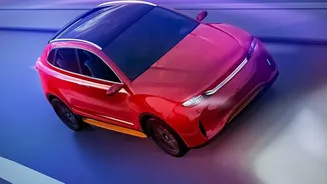
At its core, Vehicle-to-Vehicle (V2V) communication is a system that allows cars, bikes, and trucks to 'talk' to each other wirelessly. Think of it as a local social network for vehicles. Using a dedicated short-range radio frequency, equipped vehicles constantly
broadcast small packets of information, known as Basic Safety Messages. This data includes their speed, position, direction of travel, and braking status. Unlike systems that rely on cameras or radar, V2V isn't limited by line of sight, meaning it can detect a hazard hidden behind a bus or around a bend. It gives vehicles a 360-degree awareness of their immediate surroundings, up to a range of about 300 metres.
How Do Road-Hazard Warnings Work?
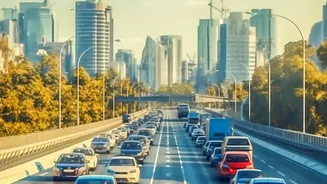
The magic happens when one vehicle's system receives a message from another and determines a potential risk. For example, if a car far ahead brakes suddenly, it broadcasts an 'Emergency Electronic Brake Light Warning'. Your car, receiving this signal, can alert you instantly, giving you crucial extra seconds to slow down, even if your view is obstructed. This system can warn a driver about numerous dangers: a vehicle running a red light at an intersection you're approaching, an unsafe lane change by a nearby car, or even a vehicle driving the wrong way. The alerts can be visual, auditory, or a vibration in the seat, but control always remains with the driver. The system is designed to warn, not to take over.
India's Mandatory V2V Plan
Recognizing its potential to save lives, the Ministry of Road Transport and Highways (MoRTH) has proposed making V2V technology mandatory. According to a recent draft notification, this will be a phased rollout. From October 1, 2027, any new vehicles voluntarily equipped with V2V systems must comply with a new standard called AIS-230. The bigger step comes on October 1, 2028, when all newly manufactured vehicles across two-wheelers, passenger cars, and commercial trucks (Categories L, M, and N) will be required to have these systems factory-fitted. This move is part of a broader strategy to create an Intelligent Transport System in India and complements other safety features like ADAS (Advanced Driver Assistance Systems).
The Technology Behind the Talk
The technical foundation for India's V2V push is a standard known as Cellular Vehicle-to-Everything (C-V2X). This allows vehicles to communicate directly with each other (V2V) and, in the future, with infrastructure like traffic lights (V2I), pedestrians (V2P), and the wider network (V2N). The government has already allocated a specific radio frequency band (5.875 GHz to 5.925 GHz) for this purpose, making it exempt from licensing and clearing a major hurdle for deployment. The AIS-230 standard ensures that all these devices, regardless of the vehicle manufacturer, can speak the same language, a critical requirement for the system to work effectively.
Challenges on the Road Ahead
Despite the promise, the path to a fully connected and safer road network has its bumps. The single biggest challenge is achieving critical mass. V2V is only effective when a significant number of vehicles on the road are equipped with the technology. In the initial years, new 'talking' cars will share the road with millions of older, non-connected vehicles. Another major consideration is cost. The onboard units are estimated to cost between ₹5,000 and ₹7,000, an expense that will likely be passed on to consumers. Finally, cybersecurity is paramount. Ensuring that these communication channels are secure from hacking or fake alerts is crucial for building trust and ensuring the system doesn't create new dangers.