




First, What Is Your 'Core'?
Before comparing workouts, it helps to know what we're training. The term 'core' is more than just the six-pack muscles, known as the rectus abdominis. It’s a complex network of muscles that wraps around your entire torso, including your back, hips, and
even your diaphragm. Think of it as a natural corset that stabilizes your spine and pelvis. This group includes deep muscles like the transverse abdominis, the internal and external obliques on your sides, and the erector spinae along your back. A strong, functional core is the foundation for almost every movement you make.
Pilates: The Art of Control and Stability
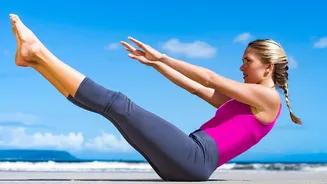
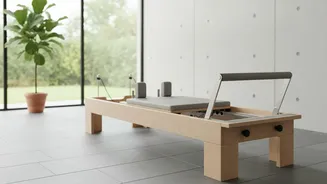
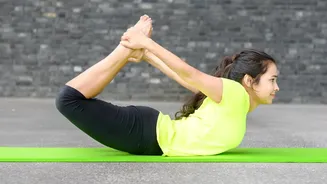
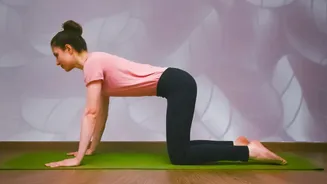
Pilates is a low-impact exercise method that focuses on controlled movements, precision, and breathwork. Its main goal is to build strength in the deep stabilizing muscles of your 'powerhouse'—the abs, lower back, hips, and glutes. Unlike traditional ab exercises that often focus on surface-level muscles, Pilates gets into the deeper layers that support your spine and pelvis. This focus on control and alignment is why Pilates is renowned for improving posture, balance, and overall body awareness. The exercises combine strength with dynamic stretching, which enhances both flexibility and joint mobility.
Circuit Training: The Engine for Stamina
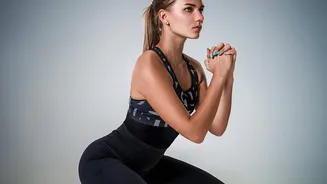
Circuit training takes a completely different approach. It involves moving through a series of different exercises in quick succession with minimal rest in between. This format is designed to keep your heart rate elevated, providing a powerful cardiovascular workout that builds stamina and endurance. By combining strength exercises with cardio, you get a full-body challenge that burns a significant number of calories in a short amount of time. This method improves muscular endurance, which is the ability to perform exercises for longer periods without fatigue.
How They Target the Core Differently
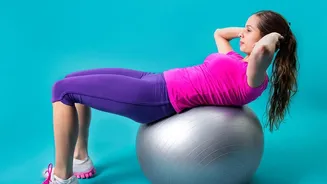
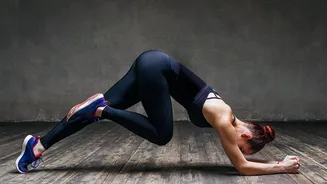
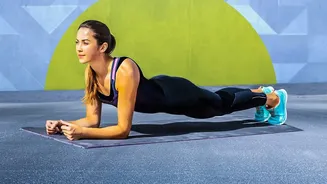
Both workouts strengthen the core, but in distinct ways. Pilates targets the deep, intrinsic muscles responsible for stabilizing the spine. The slow, precise movements teach your body to maintain control and alignment, which can help prevent injury and reduce back pain. Circuit training, on the other hand, often engages the core in a more dynamic, high-intensity way. Exercises like kettlebell swings, burpees, or medicine ball slams require your core to provide powerful, explosive stability while larger muscle groups are working. This builds a different kind of core strength—one that's ready for high-impact activity.
Beyond Flexibility vs. Stamina
While the headline's claim holds true—Pilates excels at flexibility and circuit training excels at stamina—the benefits aren't mutually exclusive. A consistent Pilates practice can build muscular endurance and increase energy. Similarly, some circuit training routines incorporate movements that can improve flexibility and balance. The primary difference lies in the focus. Pilates prioritizes control and stability, making it an excellent choice for improving posture and preventing injuries. Circuit training prioritizes cardiovascular fitness and overall muscular endurance, making it ideal for those who want a high-energy, calorie-torching workout.
Which Workout Is Right for You?
The best choice depends entirely on your personal fitness goals. If your priority is to improve posture, gain flexibility, and build deep core stability to support your spine, Pilates is an excellent option. If you're looking to boost your cardiovascular health, build all-over muscle endurance, and maximize your calorie burn in an efficient workout, then circuit training is likely the better fit. For many, the ideal solution isn't choosing one over the other. The two workouts complement each other beautifully. Pilates can build the foundational core strength and body awareness that makes your circuit training safer and more effective, while circuit training provides the cardio intensity that a pure Pilates routine might lack.