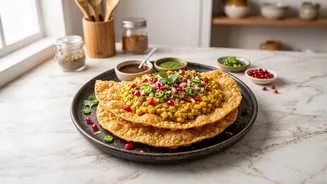


There are few breakfast dishes that offer such a delightful clash of textures and flavours as Sindhi Dal Pakwan. This beloved classic, with its crispy fried bread and hearty lentil stew, is more than a meal—it's an experience.
A Beloved Breakfast Tradition
Dal Pakwan is a cornerstone
of Sindhi cuisine, a dish that carries the warmth of hospitality and shared family meals. Its origins trace back to the arid region of Sindh, now in Pakistan, where resourcefulness was key to survival. The Pakwan, a crisp, deep-fried flatbread, was a practical innovation; unlike soft rotis, it could be made in batches and stored for days, perfect for the hot climate and for traders on long journeys. Paired with a simple, nutritious stew made from chana dal (split chickpeas), it became a satisfying and complete meal. After the partition in 1947, the Sindhi community carried this culinary treasure to India, where it has since become a popular breakfast and brunch item, especially on weekends and festive occasions.
The Secret to a Perfect Crunch
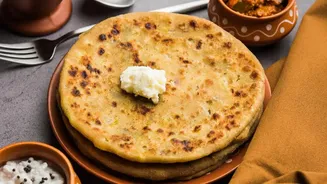
The soul of the dish's texture lies in the pakwan. Achieving that signature crunch without greasiness is an art, but a simple one to master. The dough is typically made from all-purpose flour (maida), though some recipes use a mix of wheat flour for a heartier texture. The key is to knead a firm dough that is neither too soft nor too hard. After resting, the dough is rolled out very thinly. Crucially, the rolled discs must be pricked all over with a fork. This step is non-negotiable, as it prevents the pakwan from puffing up like a puri while frying, ensuring a flat, crisp result. Frying on a low to medium heat until golden brown yields that perfect, cracker-like texture.
Crafting the Hearty Dal
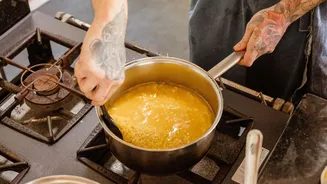
The dal component is a comforting, mildly spiced stew, usually made from chana dal. The lentils are typically soaked for a few hours before being pressure-cooked until tender but not mushy; each grain should hold its shape. The flavour comes from a simple tempering, or 'tadka', of ghee or oil with spices like cumin seeds, asafoetida (hing), turmeric, and red chilli powder. Some variations also include chopped ginger, green chillies, and dry mango powder (amchur) for a touch of tang. The final consistency should be thick enough to be easily scooped up by a piece of pakwan.
Practical Idea 1: The Classic Assembly
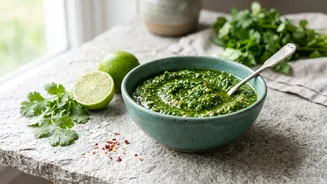
The traditional way to enjoy Dal Pakwan is a beautiful ritual in itself. There are two main methods of serving. One involves placing the dal in a bowl and serving the crispy pakwan on the side, allowing you to break off pieces and use them as an edible spoon. The other, more integrated approach involves placing a pakwan on a plate, ladling the warm dal over it, and then adding an array of toppings. Essential accompaniments include finely chopped onions, a tangy tamarind chutney, and a fresh green chutney made from coriander and mint. A squeeze of lemon and a sprinkle of chaat masala can add a final layer of brightness.
Practical Idea 2: The Brunch Chaat Board
For a modern, interactive twist perfect for brunch with friends, consider a 'Dal Pakwan Chaat Board'. This deconstructed approach makes for a fun and engaging meal. Arrange the pakwans (which can be made mini_sized) on a large platter. Place the prepared dal in a central bowl, surrounded by smaller bowls of toppings: chopped onions, tomatoes, boiled potatoes, fresh coriander, sev (crispy chickpea flour noodles), and both tamarind and green chutneys. Guests can then build their own Dal Pakwan chaat, customising each bite to their liking. This format is not only visually appealing but also a wonderful conversation starter.
Practical Idea 3: Healthier Baked Versions
While deep_frying yields the most authentic texture, you can create a lighter version without sacrificing too much crunch. For a healthier pakwan, you can bake or air_fry the pricked dough discs. To achieve a good result, brush the thin dough with a light layer of oil before baking in a preheated oven until golden and crisp, which usually takes 10–15 minutes. You can also make the dough using whole wheat flour or a mix of whole wheat and all–purpose flour. Some recipes even suggest using store–bought tostada shells or papdi as a quick, crunchy base when you're short on time.