






What Exactly Is The Problem?
The core issue is 'overtourism'—when the number of visitors exceeds a destination's capacity to handle them. This isn't just about crowded viewpoints; it's a systemic crisis. Hill stations like Shimla, Manali, and Mussoorie were designed for much smaller
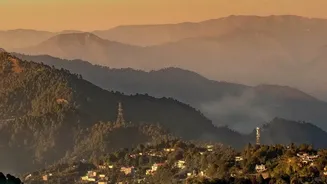
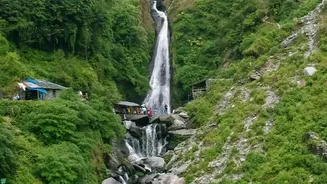
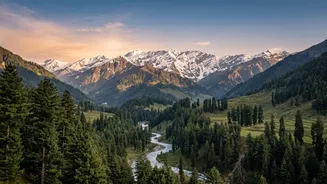
populations. Today's massive tourist influx strains their infrastructure to the breaking point. Roads built for a few hundred cars now see hours-long traffic jams, waste management systems are overwhelmed, and fragile ecosystems are being irrevocably damaged by pollution and unchecked construction. The very peace and natural beauty that people seek is being destroyed by the sheer volume of visitors.
Which Hill Stations Are Most Affected?
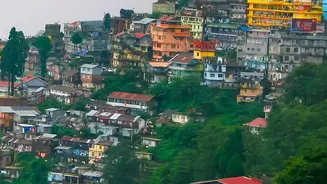
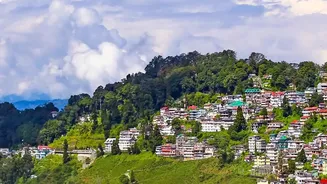
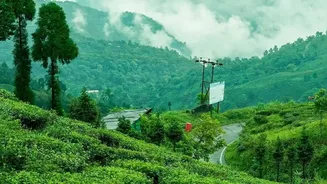
While the pressure is widespread across the Himalayas and Western Ghats, certain iconic towns are at a tipping point. Shimla, the 'Queen of Hills', now battles severe water shortages during peak season, with locals sometimes facing rationing while hotels cater to tourists. Manali has become synonymous with traffic gridlock, especially on the routes to popular attractions like Rohtang Pass. Mussoorie and Nainital are grappling with air pollution, illegal construction, and the degradation of their natural surroundings. Even once-quieter destinations like Ooty and Darjeeling are losing their charm to commercialization and overcrowding, leaving both locals and tourists questioning the experience.
Why Is This Happening Now?
A combination of factors has created this perfect storm. Rising disposable incomes, improved road connectivity, and a growing domestic tourism market are major drivers. The post-pandemic era saw a surge in 'revenge travel', as people cooped up during lockdowns flocked to the mountains. Social media also plays a significant role, popularizing destinations and creating a rush to capture the perfect picture, often without regard for the environmental impact. Critically, infrastructure development has been lopsided; while new highways make it easier to get to the hills, the towns themselves lack the parking, waste facilities, and water supply to cope with the arrivals.
What Is Being Lost?
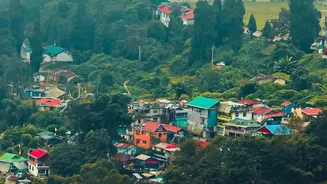
Beyond the tangible problems of traffic and trash lies a more profound loss—the erosion of charm and character. The unique colonial-era architecture of Shimla is being overshadowed by unregulated concrete hotels. The tranquility of forest trails is replaced by the noise of honking cars and the sight of plastic litter. Local culture is also under threat as authentic traditions are often commercialized into cookie-cutter experiences for tourists, and the rising cost of living pushes local residents to the margins. This trend transforms unique cultural destinations into generic, overcrowded urban sprawls, where the experience is no longer authentic or restorative.
Is Anything Being Done About It?
Yes, there is growing recognition of the crisis, and some measures are being tested. The concept of 'carrying capacity'—determining the maximum number of tourists a destination can sustainably support—is gaining traction with government bodies. Some places, like Ooty, have experimented with e-passes to regulate vehicle entry during peak season. Authorities are also working on assessing environmental impacts and promoting sustainable practices, such as better waste management and the use of clean-energy vehicles in states like Himachal Pradesh and Uttarakhand. There is also a push to develop and promote lesser-known destinations to distribute the tourist load more evenly and provide economic benefits to new areas.