

Musk's Core Message: Know What to Ask
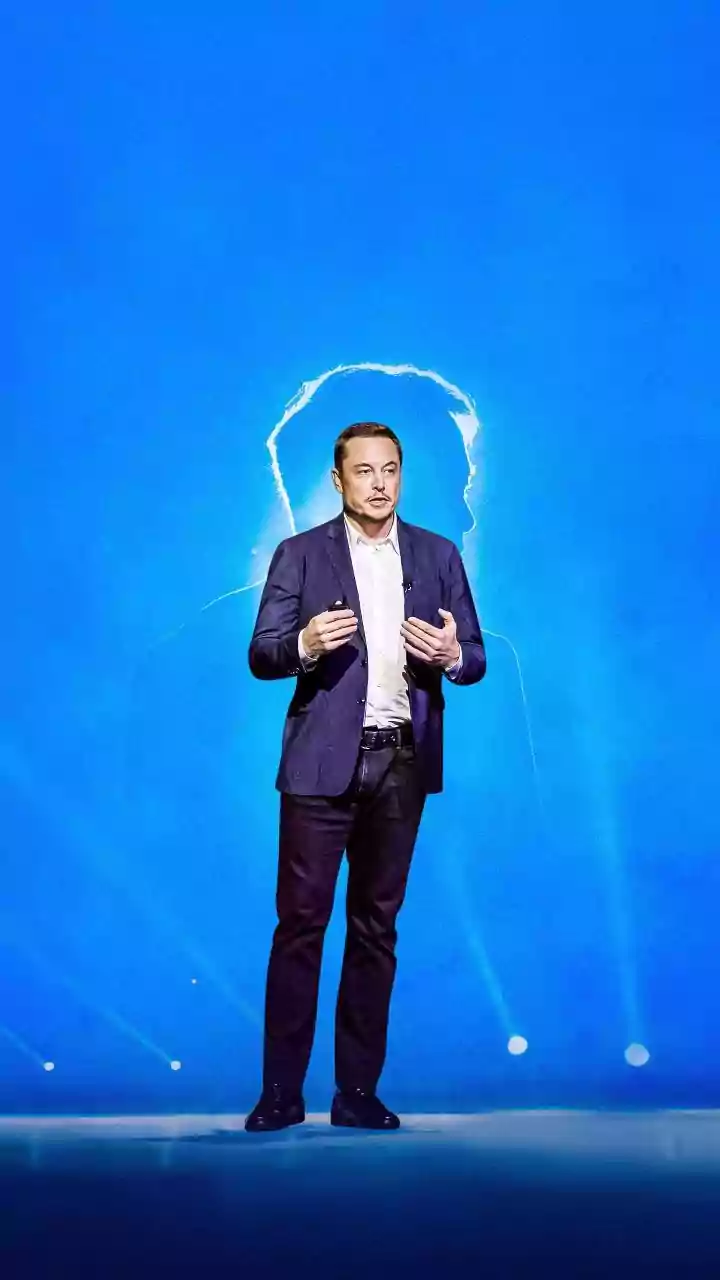
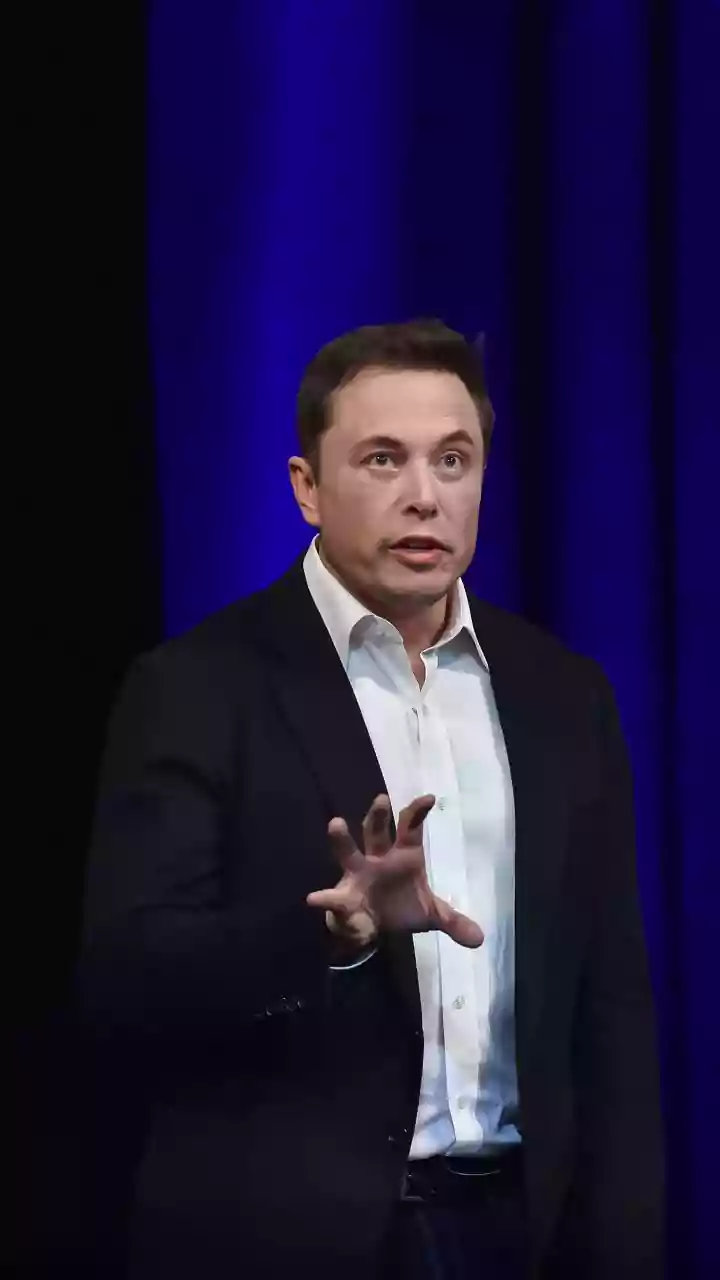
In recent remarks, Elon Musk has advised young people to pursue a broad-based education that includes arts, sciences, and engineering. His reasoning is tied directly to the rise of AI and advanced robotics. As these technologies become more capable, he argues
that the most valuable human skill will shift from executing specific tasks to knowing what needs to be done in the first place. In a world where AI can perform almost any request, the bottleneck becomes the ability to formulate the right question or command. Musk believes that having a wide general knowledge is the best way to develop this skill, which is often called 'prompt engineering' in the context of AI chatbots.
The Declining Value of Hyper-Specialization
For decades, the dominant career advice was to specialize. The thinking was that deep expertise in a narrow field created job security. However, AI is turning this logic on its head. Many of the repetitive, procedure-based tasks that specialists perform are exactly what AI models are being trained to do, often with superhuman speed and accuracy. Musk predicts a future where work itself may become optional, and AI and robots handle the majority of tasks. In such a scenario, a person who only understands one narrow, automatable discipline may find their skills have less market value. The human advantage, Musk suggests, will move toward curiosity, judgment, and cross-disciplinary problem-solving—abilities that are difficult to automate.
The Power of a Generalist Mindset
Musk's advice is a modern call for a return to the generalist or polymath ideal. History is filled with innovators who made breakthroughs by connecting ideas from different fields. In the AI era, this ability to see the bigger picture is more critical than ever. A person who understands only AI might build a technically brilliant system. But someone who also understands psychology, history, and economics can ask more vital questions: Do people need this system? Does it have unintended social consequences? Does it make financial sense? This broad context allows for better decision-making and innovation that is truly human-centric. It is the ability to connect disparate ideas that will give humans an edge.
Becoming a 'Versatile' Professional
This doesn't mean specialized skills will become useless. Rather, Musk's point is that they are no longer enough on their own. The ideal professional of the AI era may be what is sometimes called a 'T-shaped' individual. This person combines deep expertise in one area (the vertical bar of the 'T') with a broad base of knowledge and curiosity across many other domains (the horizontal bar). This model avoids the pitfalls of being a 'jack of all trades, master of none' while still fostering the adaptability that Musk highlights. It allows a person to apply their core skill in new and creative ways by drawing on a wide range of mental models and a deeper understanding of how the world works.
How to Build Broad Knowledge Now
For students and young professionals, applying Musk's advice means making conscious choices in education and personal development. It means reading books and articles far outside one's primary field of study. It involves taking interdisciplinary courses that merge humanities with technology. It means focusing on foundational skills like critical thinking, communication, and creative problem-solving, which are transferable across any domain. The goal is not just to collect facts, but to build a mental toolkit that allows you to analyze problems from multiple perspectives. In a future where AI provides the answers, the most valuable skill will be knowing which questions are worth asking.