






The internet has brewed up another viral trend: protein coffee, or 'proffee'. It’s a simple concept gaining traction among fitness enthusiasts and busy people alike, combining the morning ritual of coffee with a boost of protein.
What Is Proffee?
Proffee is the portmanteau
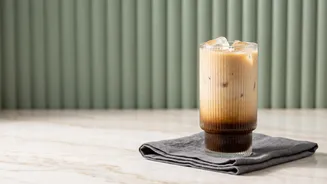
of 'protein' and 'coffee', and it’s exactly what it sounds like: coffee mixed with a protein supplement. This isn’t a single, trademarked product but rather a flexible format that people adapt to their own tastes and nutritional goals. The trend, which gained significant popularity on social media platforms like TikTok, generally involves one of two main approaches. The first and most common method is mixing brewed coffee—often iced or cold brew for better texture—with a pre-made, ready-to-drink protein shake. The second involves adding a scoop of protein powder directly into a cup of coffee. The goal is to create a single, efficient beverage that provides the energizing effects of caffeine alongside the benefits of protein.
The Appeal of a Two-in-One Drink
The primary appeal of proffee lies in its convenience. For those who find it difficult to fit in a proper breakfast, it offers a way to get a dose of protein first thing in the morning. Combining protein and caffeine can be a powerful way to start the day. Caffeine is well-known for providing a jolt of energy and mental alertness, while protein is the most satiating macronutrient, meaning it helps you feel full for longer. This combination may help curb mid-morning hunger and reduce later snacking. For those who are physically active, it can also serve as a convenient pre- or post-workout drink, supplying energy for a training session or amino acids to help repair muscles afterward.
How to Make Your Own Proffee
Making proffee at home is simple, but the method matters for the best taste and texture. The easiest route is to combine a bottled protein shake with chilled coffee or espresso. Vanilla and chocolate-flavored shakes tend to mix well. If you're using protein powder, the process requires a bit more care. Many protein powders, especially whey, can clump or become gritty when mixed directly into hot liquid. To avoid this, it's best to use iced or cooled coffee. A common technique is to first mix the protein powder with a small amount of liquid—like milk or a little cold water—to form a smooth paste before gradually stirring in the rest of your coffee. Using a shaker bottle or a small electric frother can also help create a smoother consistency. Collagen peptides are a popular alternative as they dissolve much more easily in both hot and cold liquids without altering the texture.
Potential Downsides to Consider
While proffee can be a useful addition to a diet, it's not without potential drawbacks. Some people may experience digestive discomfort, such as bloating or gas, particularly from whey-based proteins or artificial sweeteners and sugar alcohols commonly found in protein products. The quality of the protein supplement also matters. It's wise to check labels for excessive added sugars or unfamiliar ingredients. Furthermore, some protein powders may contain hidden caffeine, which could lead to jitters or sleep disruption if you're not careful about your total daily intake. Registered dietitians generally agree that while proffee can be a better option than skipping breakfast entirely, it shouldn't be seen as a long-term replacement for whole-food meals, which provide a broader range of essential nutrients like fiber, vitamins, and minerals.
Choosing the Right Protein
The effectiveness and enjoyment of your proffee will largely depend on the protein you choose. There are many options available, including whey, casein, and plant-based proteins like pea, soy, or hemp. Dairy-based powders like whey and casein can add a creamy texture similar to milk or creamer. Plant-based powders are a great alternative for those with dairy sensitivities or who follow a vegan diet. When selecting a powder, look for one that is low in sugar and has a clean ingredient list. Since some flavors can be overpowering, starting with an unflavored or vanilla powder is often a safe bet, as these tend to complement the taste of coffee without clashing. Ultimately, the 'best' protein is one that aligns with your dietary needs and tastes good to you.