






More Than Just New Tyres
At first glance, a headline about new tyres might seem like a minor update. But for the world of serious adventure motorcycling, Ducati's move is a landmark decision. The key isn't just the excellent Pirelli Scorpion Trail II tyres; it's the 'tubeless'
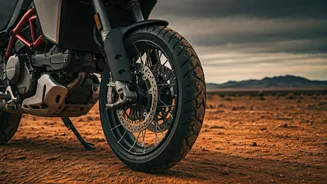
part combined with 'spoked wheels'. For years, adventure riders faced a difficult choice: the strength and flexibility of spoked wheels, which are ideal for absorbing the harsh impacts of off-road terrain, or the convenience of tubeless tyres found on cast alloy wheels. Spoked wheels were traditionally not airtight, requiring a separate inner tube. This new setup promises the best of both worlds.
The Problem with Punctures
Anyone who has toured extensively, especially in the remote and beautiful landscapes of India, knows the dread of a puncture. With traditional tube-type spoked wheels, a flat tyre means a major roadside repair. The wheel must be removed from the motorcycle, the tyre levered off the rim, the punctured tube located, patched or replaced, and the whole assembly painstakingly put back together. It’s a time-consuming, dirty, and often frustrating job. A sudden deflation from a tube failure can also be a significant safety hazard at speed. Tubeless tyres change this narrative completely. A puncture can often be repaired in minutes with a simple plugging kit, without even removing the wheel from the bike. The deflation is also typically much slower and more predictable, giving the rider more control.
The Tech Behind Tubeless Spokes
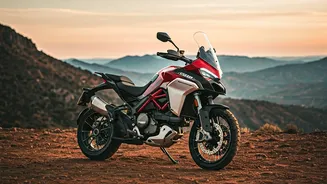
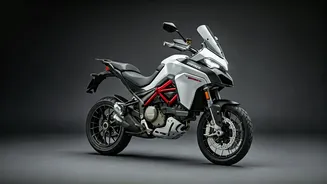
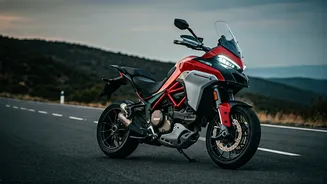
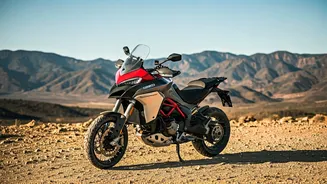
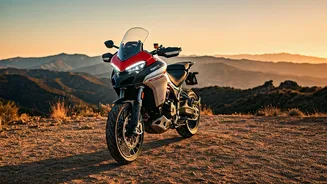
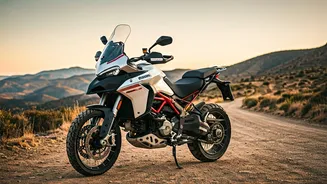
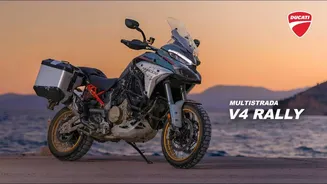
So how does it work? Conventional spoked wheels leak air because the spokes pass through holes in the rim bed to attach to nipples. To create a tubeless spoked wheel, manufacturers like Ducati use clever engineering. The most common method involves designing the rim so that the spokes anchor to its outer edges, leaving the central bed of the rim completely solid and airtight. This provides the inherent strength and flex of a spoked wheel while allowing a tubeless tyre to be fitted directly. This technology is more complex and expensive to produce, which is why it's typically reserved for premium, flagship adventure models like the Multistrada V4 Rally, solidifying its position at the top of the segment.
A Perfect Pairing with Pirelli Scorpion
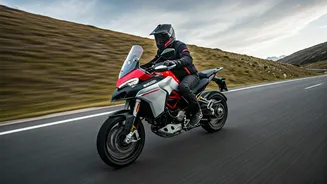
The tyre of choice is the Pirelli Scorpion Trail II, a perfect match for the Multistrada’s versatile character. This tyre is designed as a 90% on-road and 10% off-road option, blending the high-speed stability and wet-grip of a sport-touring tyre with the durability needed for light trail excursions. The aggressive tread pattern provides confidence on unpaved surfaces, while the advanced compound ensures high mileage and consistent performance on tarmac. For riders wanting to tackle even more demanding terrain, Ducati has also approved the more aggressive Pirelli Scorpion Rally STR and Scorpion Rally tyres for the bike. This combination of advanced wheel technology and purpose-built tyres gives riders the freedom to choose their adventure without compromise.
The Rider's Advantage
For the Indian adventure motorcyclist, this upgrade is more than a luxury—it's a practical revolution. It means having the confidence to explore that remote mountain pass or coastal trail, knowing that a potential puncture is a minor inconvenience rather than a trip-ending disaster. It allows for better performance off-road, as riders can safely lower tyre pressures for increased grip on loose surfaces without the fear of a 'pinch flat' damaging an inner tube. On the highway, it offers the peace of mind that comes with enhanced safety and stability. This move by Ducati shows a deep understanding of what modern adventure riders truly need: not just power and electronics, but real-world usability and reliability.