



The Heart of the Matter: Cardio and Endurance
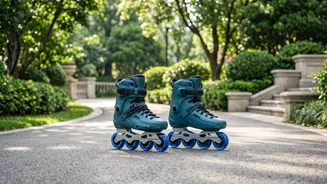
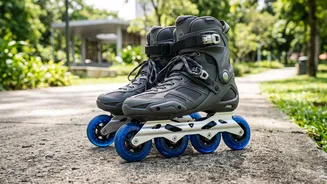
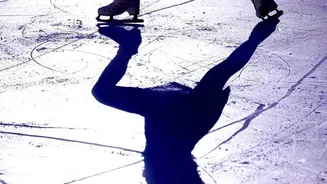
The most apparent difference lies in their cardiovascular demands. Skating, whether on quads or inlines, is a superb aerobic workout. A moderate session can elevate your heart rate to a level comparable with jogging, strengthening your heart, improving
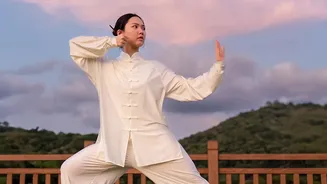
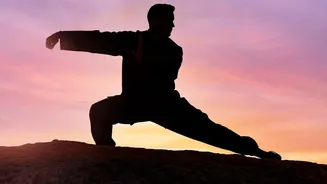
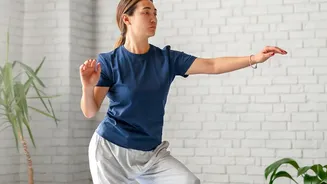
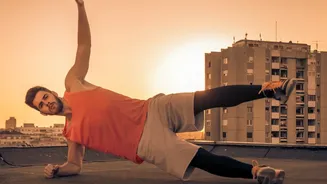
circulation, and burning anywhere from 300 to 600 calories an hour. It’s an exercise in sustained energy output that builds stamina and muscle endurance over time. In contrast, Tai Chi is a low-impact exercise that focuses on deep, controlled breathing and continuous, flowing movements. While it doesn't typically provide an intense cardio workout in the way skating does, it can modestly improve aerobic capacity and has been shown to help lower blood pressure and improve circulation through its gentle, non-strenuous nature.
Building Strength: Power vs. Poise
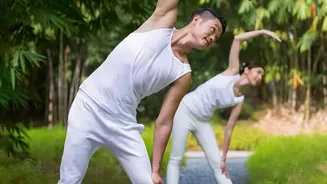
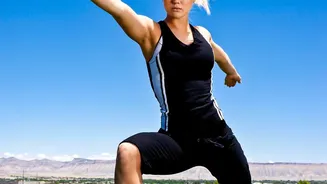
Both activities build strength, but they do so in entirely different ways. Skating is a powerhouse for the lower body. The pushing and gliding motions intensely work the glutes, quadriceps, hamstrings, and calves. It also heavily engages the core muscles—abdominals and lower back—which are constantly firing to maintain balance and stability at speed. Tai Chi builds what can be described as functional, holistic strength. The slow, deliberate shifts in weight and controlled postures challenge muscles throughout the body, including the legs, core, and even the upper body from holding arm positions. Instead of explosive power, Tai Chi develops muscle endurance, tones lean muscle, and strengthens the small stabilising muscles and connective tissues around the joints, which is crucial for joint health and stability.
Finding Your Balance: Dynamic vs. Deliberate
Improving balance is a core benefit of both Tai Chi and skating, yet their approaches are worlds apart. Skating forces you to manage your centre of gravity while in motion, often at high speeds. This develops dynamic balance, teaching your body to make constant, rapid adjustments to stay upright. It hones your coordination and proprioception—your body's awareness of its position in space—through a trial-by-fire process where a miscalculation can lead to a fall. Tai Chi, often called 'meditation in motion', cultivates balance through slow, mindful weight transfers. It trains you to feel your connection to the ground and maintain a stable centre of gravity through a series of flowing forms. This has been shown to be exceptionally effective at reducing the risk of falls, particularly in older adults, by improving posture, coordination, and body awareness.
The Mental Game: Exhilaration vs. Serenity
The mental experiences offered by these two activities are as different as their physical demands. Skating is often described as exhilarating. The speed and motion can provide a thrilling escape and a potent mood boost, with studies showing that aerobic exercises like skating can increase mood-improving brain chemicals like serotonin and dopamine. The focus required is external, demanding constant awareness of your surroundings and the surface beneath your wheels. Tai Chi, on the other hand, is an internal practice. Its focus on synchronised breathing and movement calms the nervous system and reduces stress. Practicing Tai Chi lowers levels of stress hormones like cortisol and enhances mental clarity, making it an effective tool for managing anxiety and improving overall psychological well-being.
Accessibility and Impact
When choosing an activity, it’s important to consider its impact on your body and ease of entry. Tai Chi is renowned for being extremely low-impact and accessible. The movements are gentle on the joints, making it suitable for people of all ages and fitness levels, including those with arthritis, recovering from injury, or with limited mobility. It can even be adapted to be performed while seated. Skating is also considered a low-impact alternative to activities like running, as the fluid motion causes significantly less stress on the joints. However, it has a steeper learning curve and carries a higher risk of injury from falls. Protective gear is essential, and beginners must be prepared for a few tumbles as they build confidence and skill.