








Understanding the CAFE Mandate
Before diving into the new proposals, it’s important to understand what CAFE norms are. Unlike standards that apply to a single car model, CAFE regulations measure the average fuel efficiency across a manufacturer's entire fleet of passenger vehicles
sold in a year. This gives companies flexibility; they can still sell larger, less efficient vehicles as long as they are balanced out by smaller, more fuel-efficient ones to meet the overall corporate average. In India, compliance is measured by a vehicle's carbon dioxide (CO2) emissions, which are directly linked to its fuel consumption. The goal is twofold: to reduce the nation's carbon footprint and to decrease dependence on imported crude oil. India first introduced these norms in 2017, with a second, stricter phase (CAFE-II) rolling out in 2022.
What's New in the CAFE III Proposal?
The proposed CAFE III framework, set to be implemented from April 1, 2027, to March 31, 2032, introduces significant changes. The headline revision is a progressive tightening of emission targets. The fleet-average CO2 emission limit is proposed to start at 94.8 grams per kilometre (g/km) in the financial year 2027-28 and decrease to 78.9 g/km by 2031-32. This represents a substantial increase in stringency, estimated to be about 16% tighter than CAFE II in the first year, climbing to nearly 30% by the end of the phase. Another major shift is in the testing procedure, moving from the older Modified Indian Driving Cycle (MIDC) to the globally recognised Worldwide Harmonised Light Vehicles Test Procedure (WLTP), aligning India's standards with international practices. The draft also adjusts the 'super credits' system, which incentivises the production of cleaner vehicles like EVs and hybrids, by slightly tweaking the multipliers to encourage a diverse range of green technologies.
The Challenge for Automakers
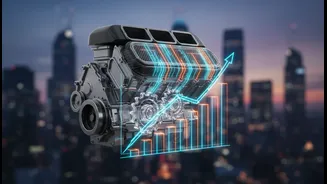
These stricter targets present a considerable challenge for car manufacturers. They will need to accelerate investment in advanced technologies to improve the fuel efficiency of their internal combustion engine (ICE) vehicles. This includes using lighter materials, developing more efficient engines, and adopting features like automatic start-stop systems and regenerative braking. The norms will particularly pressure companies with a portfolio heavy in larger, fuel-intensive SUVs. To comply, these automakers must either significantly enhance the efficiency of their popular models or increase their sales of hybrid and electric vehicles. The draft includes a credit trading mechanism, allowing manufacturers who over-comply to sell credits to those who fall short, providing a market-based tool for flexibility. However, enforcement is expected to be stricter than in previous phases, with clearer penalties for non-compliance.
What This Means for Car Buyers
For consumers, the rollout of CAFE III is a double-edged sword. On one hand, the technological upgrades required may lead to an increase in the upfront cost of new cars. Automakers are likely to pass on at least some of their compliance costs to customers, though the extent will vary by brand and model. On the other hand, the long-term benefits are significant. Buyers can expect a wider variety of highly fuel-efficient vehicles, including more hybrid and EV options. This will lead to lower running costs due to reduced fuel consumption. One rating agency, ICRA, estimates that the new norms could lead to cumulative fuel savings of around ₹38,000 crore for consumers between 2028 and 2032. Ultimately, the regulations are designed to push the market towards cleaner, more advanced, and more economical vehicles over time.