






The Myth vs. The Medical Take
For generations, a common belief, particularly in many Indian households, has been to strictly avoid bathing during a fever, fearing it could make the illness worse. However, medical experts today largely agree that this is a misconception. Bathing during a fever is not
only safe but can be beneficial for comfort and hygiene, provided it is done correctly. A fever is your body's natural response to fight an infection, raising your internal temperature to make it harder for viruses and bacteria to survive. The goal of a bath isn't to shock the fever out of you, but rather to provide comfort, cleanliness, and a moment of relief from the aches and sweats that often accompany illness.
The Right Way to Bathe
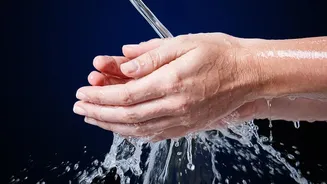
The key to bathing safely with a fever lies in the water temperature. Experts universally recommend using lukewarm or tepid water. Water that is too cold can be a shock to the system, causing shivering. This shivering is your body's attempt to generate heat, which can paradoxically cause your core temperature to rise even higher. On the other hand, a very hot bath is also a bad idea. It can interfere with your body's natural temperature regulation and lead to further dehydration or dizziness, especially when you're already weakened by illness. A short, lukewarm bath of about 10-15 minutes is ideal to help you feel clean and refreshed without causing additional stress to your body.
Hydration: The Real Fever-Fighter
While a bath offers comfort, the real heavy lifting in fever recovery is done by hydration. Fevers make you lose fluids faster through sweat and even just breathing. This fluid loss can quickly lead to dehydration, which can worsen your symptoms, cause headaches, and make it harder for your body to fight the infection. Drinking plenty of fluids—water, clear broths, or oral rehydration solutions—is crucial. Proper hydration helps regulate body temperature, ensures your blood flows smoothly to carry immune cells where they need to go, and helps your organs function efficiently to filter out waste and germs. It even helps fever-reducing medications work more effectively. Aim to drink more than you normally would to replenish what your body is losing.
The Unbeatable Power of Rest
The other pillar of recovery is rest. Fighting an infection takes an enormous amount of energy. When you rest, your body can divert its resources away from activities like moving and thinking and dedicate them to the immune system. During sleep, your body ramps up the production of proteins called cytokines and other immune cells like T-cells that are essential for targeting and fighting off infections. A warm, comforting bath can be a wonderful prelude to rest, helping to soothe muscle aches and calm the mind, making it easier to get the deep sleep your body craves. Don't fight the urge to sleep more when you're sick; your body is telling you exactly what it needs to heal.
When to Be Cautious
Although a lukewarm bath is generally safe, there are times to be cautious. If you are feeling extremely weak, dizzy, or unable to stand safely, it's better to opt for a sponge bath or simply wait. For very high fevers or fevers that persist for more than a few days, it's always best to consult a doctor to diagnose and treat the underlying cause. The same applies if the fever is accompanied by severe symptoms like difficulty breathing, confusion, or a stiff neck. A bath is a tool for comfort, not a cure for the illness itself. The priority should always be addressing the root cause of the fever with medical guidance when necessary.