

The Psychology of a Picky Palate
First, it’s important to understand that a child’s refusal to eat something new is often not defiance, but a normal developmental phase called food neophobia. This fear of new foods is a natural instinct. Forcing a child to “just take one bite” can create
stress and anxiety, turning the dinner table into a battleground. Studies show this pressure actually backfires, creating negative associations with that food and mealtimes in general. Instead of learning to like the food, children learn that eating it is a task performed under duress, which can worsen picky eating habits and even disrupt their ability to recognise their own hunger and fullness cues later in life.
The Power of No-Pressure Exposure
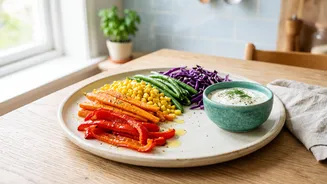
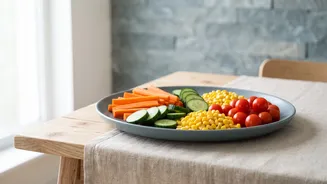
The most effective strategy is built on the opposite principle: repeated, neutral exposure. The goal is simply to familiarise your child with a new food without any expectation that they will eat it. An “exposure” doesn’t just mean tasting. It can be seeing the food on your plate, helping you wash or chop it, smelling it as it cooks, or simply allowing it to sit on their own plate next to their favourite foods. Each of these interactions helps to desensitise the child to the new food, making it less intimidating over time. The key is to keep the experience completely free of pressure. If they touch it, great. If they ignore it, that’s fine too. Your role is to provide the opportunity, while their role is to decide if and how they interact with it.
How Many Times? The Rule of Patience
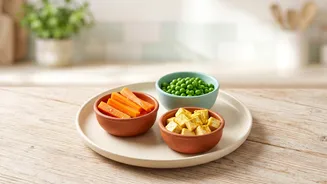
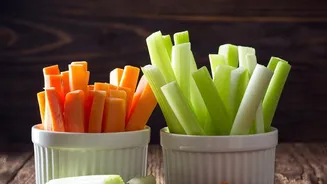
So how many times does it take? While older advice suggested 10 to 15 exposures, some experts now believe it could be closer to 20 neutral encounters before a child might willingly try a new food. This sounds like a lot, but remember that these are small, low-effort interactions spread out over weeks or months. It's a long-term game. The mistake many parents make is giving up too soon. Research shows parents often stop offering a disliked food after just three to five attempts. Consistency is crucial. By repeatedly and calmly offering a tiny portion of a new food—like a single pea or a sliver of carrot—you normalise its presence and give your child the space to build curiosity at their own pace.
Making Food Exploration Fun
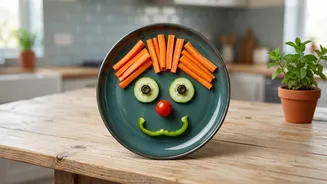
You can transform food exposure from a chore into a game. Involving children in the kitchen is a powerful tool; let them stir batter, wash vegetables, or arrange food on a plate. This hands-on interaction builds familiarity and a sense of ownership. Another successful approach is sensory food play. Let them use broccoli florets to “paint” with yogurt dip or create funny faces with slices of fruits and vegetables. These playful activities allow them to explore textures and smells in a non-threatening way, removing the anxiety that can surround new foods. The goal is to make food interesting and fun, not a source of conflict. When the pressure is off, children are more likely to feel safe enough to explore and, eventually, taste.