






The Power of Pulses
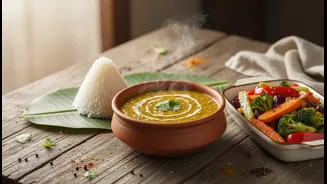
Dals are the undisputed foundation of Indian home cooking, and for good reason. They are nutritional powerhouses, packed with protein, fibre, and essential minerals like iron and zinc. A cup of cooked dal can provide a significant portion of your daily
protein needs at a fraction of the cost of meat or paneer. Varieties like masoor, toor, and moong dal are incredibly versatile, forming the base for everything from simple daily curries to elaborate festive dishes. To maximise savings, consider buying dals in bulk from local markets, which is often cheaper than purchasing small packets from supermarkets. Stored in airtight containers, they last for months, ensuring you always have a healthy meal base on hand. As of mid-July 2026, prices for dals like masoor and gram dal remained relatively affordable, making them a smart choice for budget-conscious households.
Get Smart with Grains
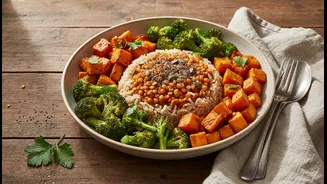
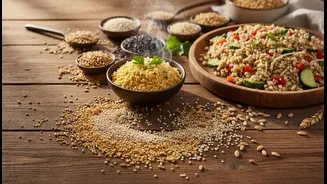
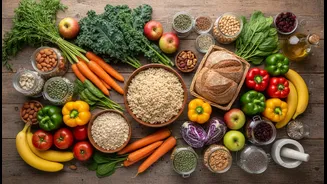
While rice and wheat are staples, India’s rich agricultural heritage offers a wide array of whole grains that are both nutritious and budget-friendly. Millets, such as jowar (sorghum), bajra (pearl millet), and ragi (finger millet), are making a major comeback. These ancient grains are naturally gluten-free, have a low glycemic index which helps in managing blood sugar levels, and are rich in fibre, magnesium, and antioxidants. They keep you feeling full for longer, reducing the need for unhealthy snacking. A simple switch from polished white rice to brown rice or millets can significantly boost the nutritional value of your meals without straining your wallet. According to commodity data from July 2026, local grains like jowar and wheat remain cost-effective staples for daily meals.
Master the Mandi
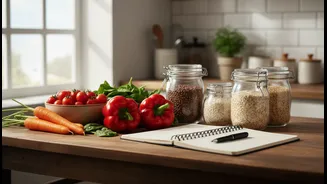
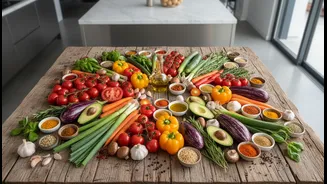
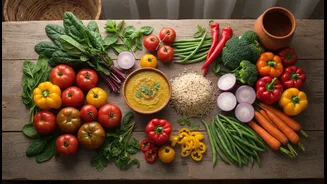
Vegetables are a crucial part of a balanced plant-forward diet, but costs can add up. The key is to shop seasonally and locally. Vegetables that are in season are not only fresher and more flavourful but also significantly cheaper because they are abundant. Instead of relying on expensive, out-of-season produce from supermarkets, make a weekly trip to your local mandi or farmers' market. Staples like onions, potatoes, tomatoes, and leafy greens like spinach are consistently affordable and form the base for countless Indian sabzis. Planning your meals for the week before you shop helps you create a precise list, preventing impulse buys and reducing food waste.
Cook Once, Eat Twice
Efficient meal preparation is a cornerstone of budget-friendly eating. Cooking larger batches of base ingredients like dal, boiled potatoes, or whole grains can save both time and money. A simple tadka dal made on Monday can be transformed into dal parathas for breakfast on Tuesday. Leftover sabzi can become a filling for a sandwich or a wrap for lunch the next day. This 'cook once, eat twice' philosophy not only minimizes food waste but also reduces the temptation to order expensive takeaway on busy weeknights. Having pre-cooked components ready in the fridge makes assembling a healthy, home-cooked meal almost as fast as ordering in.
The Magic of a Masala Dabba
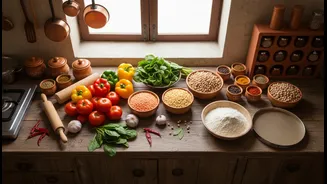
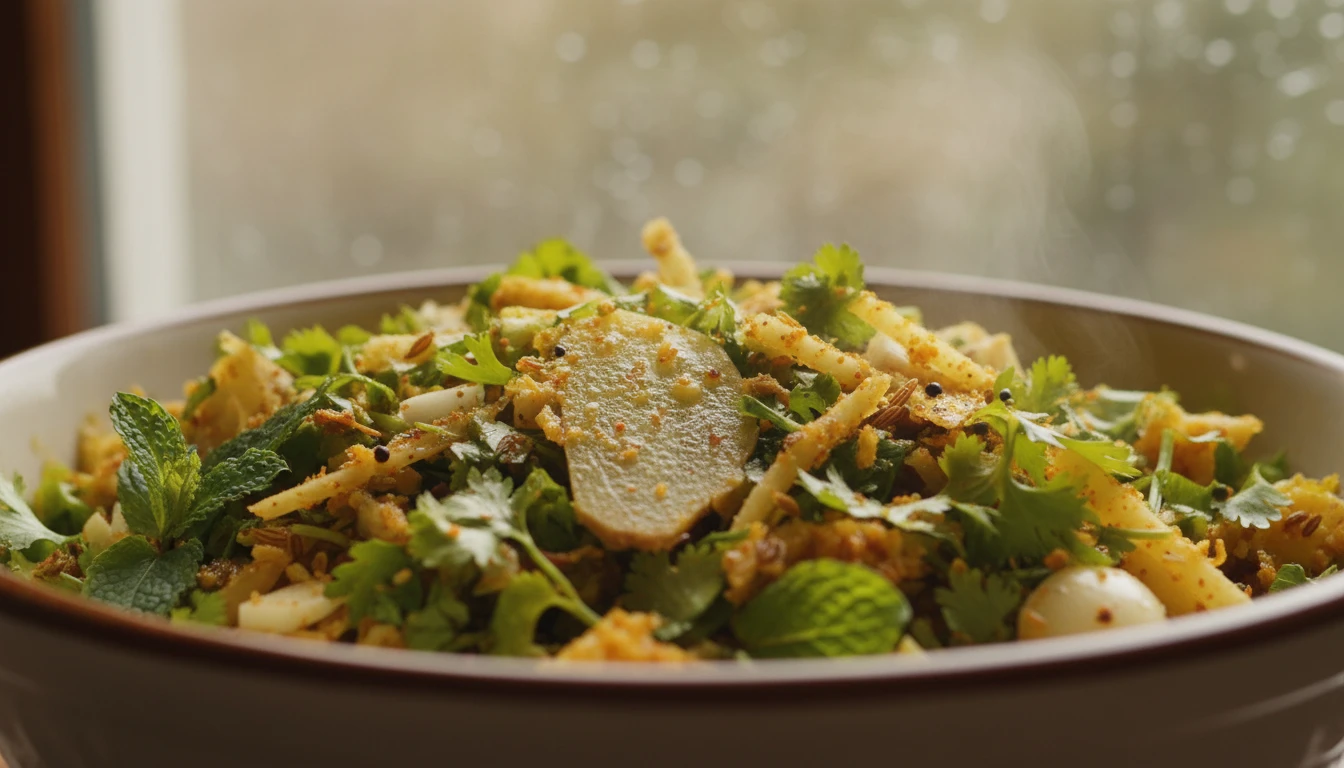
One of the greatest strengths of Indian cooking is its masterful use of spices. A well-stocked masala dabba, or spice box, is your most powerful tool for making simple, inexpensive ingredients taste extraordinary. A small investment in essential spices like turmeric, cumin, coriander, and mustard seeds allows you to create an endless variety of flavours. You don’t need expensive imported sauces, dressings, or seasonings. With a few core spices, you can transform a humble bowl of dal and rice into a deeply satisfying and aromatic meal, ensuring that budget-friendly eating never becomes boring.