








Beyond Postcards: The Responsible Tourism Mission
Kerala's journey into sustainable tourism isn't a recent trend but a core policy established over 15 years ago. The state's Responsible Tourism (RT) Mission was founded on a simple yet powerful idea: tourism should benefit local communities as much as it delights
visitors. Instead of treating villagers as passive background characters in a traveller's story, the model actively integrates them into the tourism ecosystem. This approach focuses on three pillars: economic benefits for local people, social and cultural respect, and environmental responsibility. The goal was to move beyond a model where tourism revenue often leaks out of the local economy and instead create a system where homestays, local artisans, farmers, and guides become direct stakeholders and beneficiaries. This philosophy has since been recognised globally, earning Kerala numerous awards for its community-centric approach.
Real Wins: Empowering Communities and Heritage
The success of this model is not just theoretical; it's visible on the ground. The RT Mission has successfully linked thousands of small enterprises, many led by women, to the tourism sector. This includes everything from promoting the ethnic foods of each locality to providing authentic culinary experiences in local homes, generating income for families. As of early 2026, the mission supported 26,000 RT units, directly benefiting around 1.5 lakh families, with an impressive 80% of these units led by women. Projects like STREET (Sustainable, Tangible, Responsible, Experiential, Ethnic, Tourism) aim to de-congest popular hubs by developing theme-based streets in rural hinterlands, spreading the benefits of tourism to lesser-known areas. The award-winning Water STREET project in Maravanthuruthu, for instance, rejuvenated canals and rivers, which not only created new kayaking and boating experiences but also helped mitigate local flooding.
The Overtourism Paradox
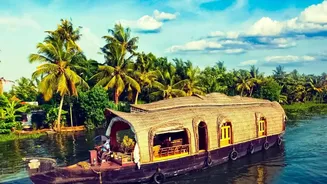
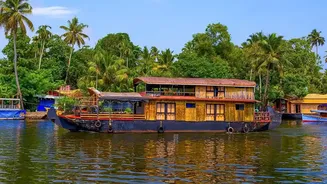
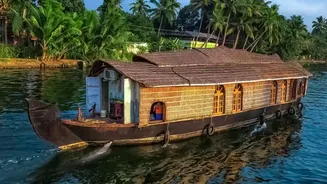
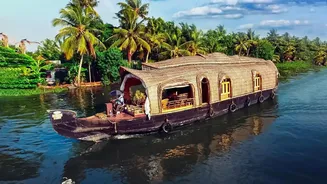
Despite its pioneering efforts, Kerala is not immune to the challenges of its own success. Record-breaking tourist numbers—over 21.8 million domestic visitors in 2023—have put immense pressure on popular destinations like Munnar, Wayanad, and the Alleppey backwaters. This has led to concerns about overtourism, with some international travel guides placing Kerala on a 'No Visit' list due to the unsustainable pressures on its environment and infrastructure. Problems include the shrinking of Vembanad Lake due to illegal construction and the proliferation of houseboats, some of which are unlicensed and contribute to pollution. In places like the unique laterite plateau of Madayippara, a surge in visitor traffic has led to waste, damage to fragile vegetation, and protests from local conservationists.
New Strategies for a Sustainable Future
Kerala's tourism authorities are actively responding to these growing pains. The focus is shifting towards diversifying destinations and managing visitor flow more effectively. Initiatives like the STREET project are a direct attempt to guide tourists towards new, experience-rich rural locations, reducing the burden on established hotspots. Furthermore, the state is bolstering its on-ground support systems. A new 'Green Marshal' initiative is set to launch in October 2026, deploying trained personnel at tourist sites to assist visitors, monitor safety and cleanliness, manage waste, and ensure facilities are properly maintained. This program is particularly focused on enhancing safety for the growing number of solo female travellers, demonstrating a continued commitment to an inclusive and secure tourism environment.