









A Blooming Transformation
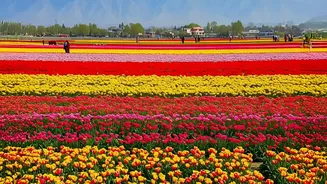
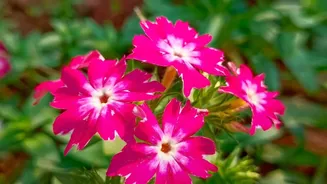
In a region known more for its barren beauty and extreme climate, the sight of millions of Lilium and Gladiolus flowers is a dramatic change. Recently, new floriculture projects were launched at Choglamsar and Stakna in the Leh district, turning approximately
40 acres into some of the highest-altitude flower fields in the world. This initiative, driven by the Ladakh administration with technical support from the CSIR-Institute of Himalayan Bioresource Technology (CSIR-IHBT), is about more than just aesthetics. It's a calculated move to diversify the local economy and provide a new, high-value income source for farmers in a place where conventional agriculture is severely limited. In late September 2026, the project reached a major milestone with the first commercial air consignment of 15,000 'A-grade' Lilium stems flown from Leh to markets in Delhi, Mumbai, and Chandigarh.
The Science of High-Altitude Success
Cultivating commercial flowers at over 10,600 feet is no small feat. The region's agro-climatic conditions, including intense solar radiation, low temperatures, and water scarcity, pose significant challenges. However, these same conditions offer unique advantages. The long summer days and cold climate are ideal for growing certain high-value flowers like Lilium, Tulip, and Gladiolus. The success of the project hinges on scientific intervention and innovation. This includes the use of greenhouses, the selection of hardy, cold-resistant species, and efficient water management, with some projects using solar energy for irrigation. Critically, many of these crops are grown without chemical pesticides or fertilisers, adding to their appeal in modern markets. The Defence Institute of High Altitude Research (DIHAR) has also played a pioneering role in the region, developing agro-technologies like the Ladakh Greenhouse that allow for cultivation even in harsh winter months.
Economic Empowerment and Scalability
The true measure of this initiative's success is its economic impact. Floriculture offers returns nearly double that of traditional vegetable farming in the region. Premium 'A-grade' Lilium stems, with four to five buds each, can fetch between ₹150 and ₹200 in retail markets. This has created a powerful new livelihood opportunity. The projects are designed to empower local communities, particularly women, who are actively involved in harvesting, sorting, and packaging the flowers, earning daily wages of around ₹900. The model is structured for scalability. Initially managed by the Agriculture Department, the fields will eventually be handed over to farmer cooperatives and Self-Help Groups (SHGs) for commercial utilisation. This ensures that the profits and management remain within the community, fostering local entrepreneurship.
A Blueprint for the Future
The success of the Leh pilot projects has created a clear blueprint for expansion. The Ladakh administration has already directed officials in other districts like Kargil, Drass, and Zanskar to identify land to replicate the model. The goal is to bring an additional 200 acres under high-value floriculture cultivation in the near future. Beyond the economic benefits, these flower fields are enhancing Ladakh's appeal as a tourist destination. The vibrant landscapes offer new attractions for visitors and have the potential to become backdrops for film shoots, further boosting the local economy through eco-tourism. This initiative is not just about growing flowers; it's about cultivating a sustainable, self-reliant future for Ladakh, proving that with innovation and community effort, even the most challenging environments can blossom with opportunity.