




The Art of a Perfect Cut
Success begins with choosing the right piece of your parent plant. Look for a healthy, mature stem that isn't currently flowering. For most common houseplants, you'll want a 'stem cutting'. Using clean, sharp scissors, snip a piece that is four to six
inches long. The most crucial part is to ensure your cutting has at least one or two 'nodes'—the small bumps on the stem where leaves grow from. These nodes are where the new roots will magically appear. Remove the leaves from the bottom half of the cutting to prevent them from rotting and to direct the plant's energy towards root growth.
Water Method: Just Add Water
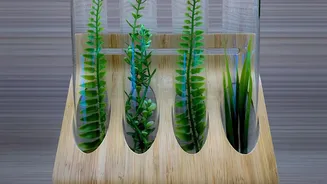
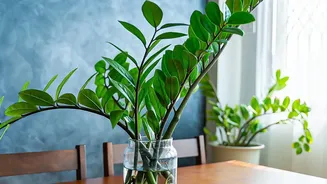
This is the easiest and most visually satisfying method, perfect for beginners. Simply place your prepared cutting into a clean jar of room-temperature water, ensuring at least one node is submerged. It's important to keep the remaining leaves out of the water. Place the jar in a spot that receives bright, indirect sunlight, like a north or east-facing window. Direct sun can be too harsh for a delicate cutting. Change the water every few days to keep it fresh and prevent bacterial growth. In a few weeks, you'll see tiny white roots begin to sprout. Plants like Pothos (Money Plant), Philodendron, and Syngonium thrive with this method.
Soil Method: A Direct Approach
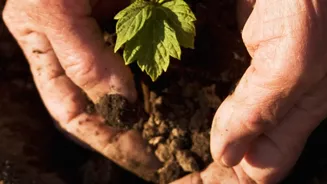
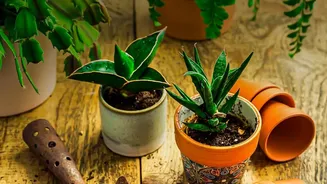
Some plants prefer to root directly in soil, which can lead to a stronger root system from the start. For this, you'll need a small pot with drainage holes and a light, well-draining potting mix. A mix of cocopeat and perlite is an excellent choice readily available in India. After taking your cutting, you can optionally dip the bottom end in a rooting hormone to encourage faster growth, though many plants don't require it. Make a small hole in the moist soil with a pencil or your finger, insert the cutting, and gently firm the soil around it. To create a humid environment that roots love, you can cover the pot with a clear plastic bag. Keep the soil consistently moist but not waterlogged. This method works well for semi-hardwood plants like Hibiscus, Bougainvillea, and Roses.
From Your Kitchen to Your Garden
Your kitchen is a surprising source of new plants. Many common herbs and vegetable scraps can be regrown with a little patience. The bottom of a celery bunch or a head of lettuce, when placed in a shallow dish of water, will start to sprout new leaves from the center. Stems of mint and basil will readily grow roots in a glass of water, giving you an endless supply for your cooking. You can even plant a ginger rhizome that's started to sprout or the top of a pineapple. These simple tricks reduce waste and add a touch of greenery to your home with minimal effort.
Modern Boosts for Healthy Roots
While traditional methods are highly effective, some new trends can help increase your success rate. The use of rooting hormones has long been a staple for serious gardeners, but many hobbyists are turning to household alternatives. A light dusting of cinnamon powder on the cut end is believed to have antifungal properties that can protect the cutting from rot. Some gardeners also swear by dipping cuttings in a honey-water solution or using fresh aloe vera gel as a natural rooting stimulant. While scientific backing varies, these hacks are popular in online gardening communities and can be a fun experiment for the curious propagator.