


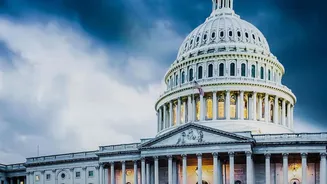

The dust has barely settled on the 2026 midterm elections, but a sweeping Democratic victory has already reignited one of Washington's most explosive topics: the impeachment of President Donald Trump. But what does this new power really mean?
A Decisive Shift in Power
The November
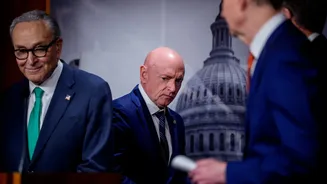
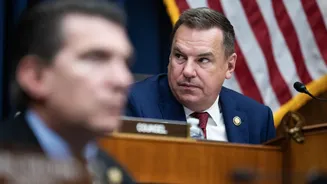
2026 elections resulted in a significant power shift on Capitol Hill. Democrats secured control of both the House of Representatives and the Senate, a dramatic reversal from the Republican majority that existed before the vote. This 'blue wave' gives the party control over legislative agendas, committee leadership, and, crucially, subpoena power. For the first time in his second term, President Trump faces a Congress fully controlled by the opposition, creating a new landscape of political checks and balances. This control of the House is the key that unlocks the door to impeachment proceedings, as the U.S. Constitution gives the House the sole power to bring charges against a president.
The Fiery Debate Within the Democratic Party
Despite having the procedural power, Democrats are far from unified on whether to pursue a third impeachment of Donald Trump. The party is split between two main camps. One faction argues that Trump's actions have amounted to 'high crimes and misdemeanors' that demand constitutional accountability to protect the rule of law. They believe failing to act sets a dangerous precedent. However, a more cautious and seemingly larger group, which includes influential figures like former Vice President Kamala Harris, warns against it. They argue that an impeachment effort would be a costly distraction, consuming resources better spent on policy and investigations into the administration. The concern is that a politically divisive impeachment saga could alienate independent voters and energize Trump's base ahead of the 2028 presidential election.
The Uphill Battle of Removal
The core of the strategic debate lies in the difference between impeachment and removal. While the House can impeach a president with a simple majority vote, removal from office requires a conviction by a two-thirds supermajority in the Senate—a total of 67 votes. Even with their new, narrow majority in the Senate, Democrats are nowhere near this number. Achieving a conviction would require a substantial number of Republican senators to vote against a president from their own party, an outcome seen as a mathematical and political impossibility in the current climate of hyper-partisanship. This reality has led many Democratic leaders, including likely House Speaker Hakeem Jeffries, to remain noncommittal, stating they will 'follow the facts' without ruling anything in or out.
Investigations as an Alternative
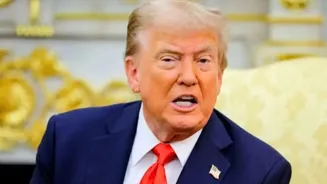
Given the high bar for removal, many Democrats are signaling a preference for a different path: aggressive and sustained congressional oversight. Rather than a single, high-stakes impeachment trial, the new House and Senate majorities are preparing to launch a series of investigations into the Trump administration. Potential targets for these probes include the president’s stock trades, the handling of the war in Iran, and the conduct of cabinet officials like Defense Secretary Pete Hegseth. This strategy would allow Democrats to hold the administration accountable, generate headlines, and score political points without embarking on a divisive impeachment process that is almost certain to end in a Senate acquittal. For his part, President Trump has dismissed the talk, stating he is not worried and that any attempt would 'destroy the Democratic Party'.
What Are the Potential Grounds?
While party leaders are hesitant, the grounds for a potential impeachment are frequently discussed by those who support it. Arguments often revolve around what they describe as abuses of power and attacks on democratic institutions. These include allegations of violating the emoluments clauses by profiting from the presidency, undermining elections, defying court orders, and abusing the presidential pardon power. Proponents of impeachment point to these actions as the exact kind of political crimes the founders feared when they wrote the impeachment clause into the Constitution. However, with the focus shifting towards broader investigations and the political risks involved, these specific articles may serve more as a basis for committee hearings than for a formal impeachment resolution in any immediate future.