




Embrace Character and Sustainability
In a world of mass-produced furniture, a vintage-inspired approach allows you to create a home that tells a unique story. Older pieces often boast superior craftsmanship and materials, such as solid teak or sheesham wood, which are harder to find in modern
budget furniture. This focus on longevity is not just about quality; it's also a sustainable choice. By giving a second life to existing or pre-loved items, you reduce waste and lower the environmental impact of your decorating choices. More than that, vintage pieces bring a sense of history and soul to a room that brand-new items simply cannot replicate. This approach isn’t about creating a museum; it's about curating a space that feels lived-in, warm, and full of personality.
Start by Shopping Your Own Home
Before you even think about buying something new, take a careful inventory of what you already own. That old wooden trunk, a side table inherited from your grandparents, or even a sturdy but dated dresser can become the star of your room with a little creativity. Sometimes, simply moving a piece from one room to another can give it a new lease on life. Consider simple DIY updates like a fresh coat of paint, new hardware, or refinishing a wooden surface to reveal its natural beauty. Upcycling what you have is the most cost-effective and personal way to begin your vintage-inspired transformation, ensuring your space is a true reflection of your journey.
The Thrill of the Hunt: Sourcing Treasures
Once you have a plan, the hunt for unique pieces begins. India offers a wealth of options beyond typical showrooms. Explore local antique shops in cities like Mumbai or Jodhpur, which are known for their restored colonial and handcrafted furniture. Don't overlook Sunday flea markets or the local 'kabadiwala', where you can often find hidden gems waiting to be discovered and restored. Online marketplaces and social media groups dedicated to second-hand furniture are also growing in popularity, offering a convenient way to browse. When sourcing, look for pieces with good bones—solid construction and interesting details. Cosmetic issues like scuffs or faded fabric can often be easily fixed.
The Art of Mixing Old and New
The key to a successful vintage-inspired room is balance. You want it to feel curated, not like a cluttered antique store. A great rule of thumb is the 80/20 principle: let about 80% of your room follow one style (either modern or vintage) and use the remaining 20% for contrasting pieces. For example, you can pair a sleek, modern sofa with a rustic vintage coffee table, or place contemporary lamps on an old-fashioned console. Using a consistent colour palette can help tie disparate elements together, creating a cohesive look even with furniture from different eras. This intentional mix of styles creates a dynamic and visually interesting space that feels both fresh and timeless.
Finishing Touches That Tell a Story
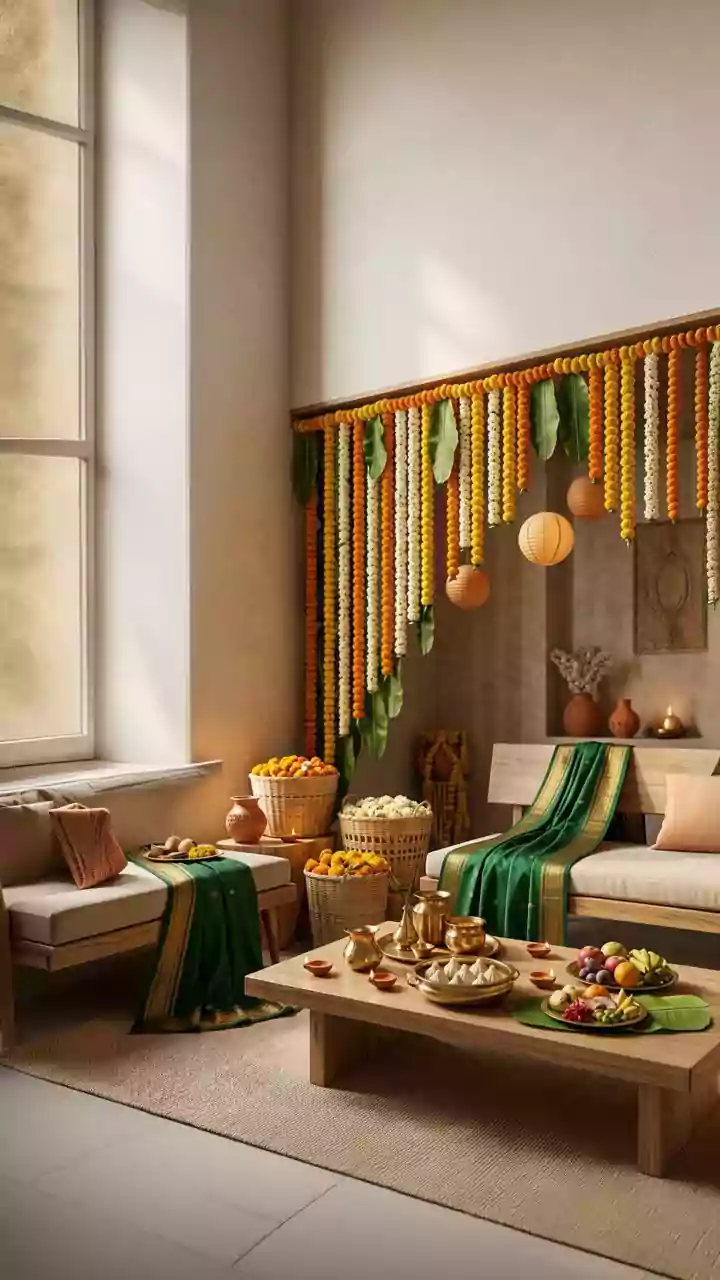
Accessories are what truly bring a vintage-inspired room to life. Think about incorporating elements that add texture and warmth. Hand-loomed textiles like Kantha throws, rustic terracotta pots, or vintage-style rugs can add layers of interest. Brass or bronze decor, such as lamps, mirrors, or small artefacts, can introduce a touch of traditional Indian elegance. Look for art with a nostalgic feel, whether it's botanical prints, old maps, or even framed family photographs. These smaller details help to unify the space and reinforce the collected, personal feel you’re aiming for, making the room feel complete and inviting.