

Beyond the Usual Vrat Thali
For many observing the Sawan fasts, the daily menu is a familiar rotation of sabudana khichdi, kuttu ki puri, and samak rice. While these dishes are comforting and sattvic, the desire for variety is natural. Fasting meals during this auspicious month
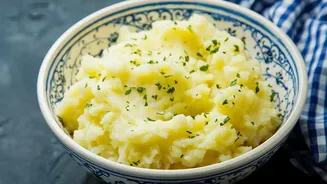
are meant to be pure and light, excluding ingredients like grains, onions, garlic, and most common spices. Permitted foods include fruits, milk products, certain flours, and a select list of vegetables, with the potato being a prominent and versatile star. Usually seen in savory preparations like vrat wale aloo, the potato holds a secret identity as a decadent dessert.
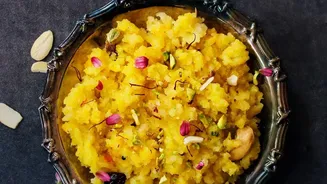
The Sweet Surprise: Aloo ka Halwa
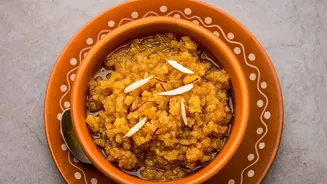
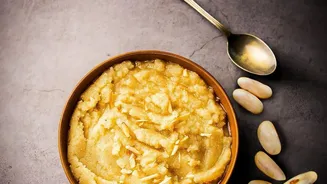
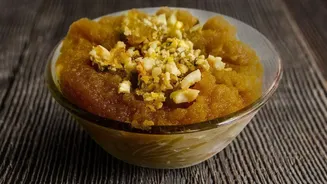
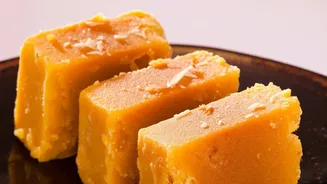
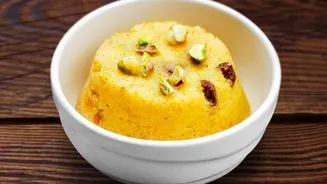
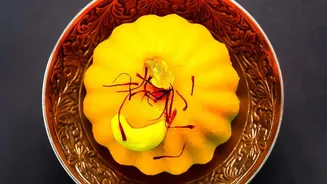
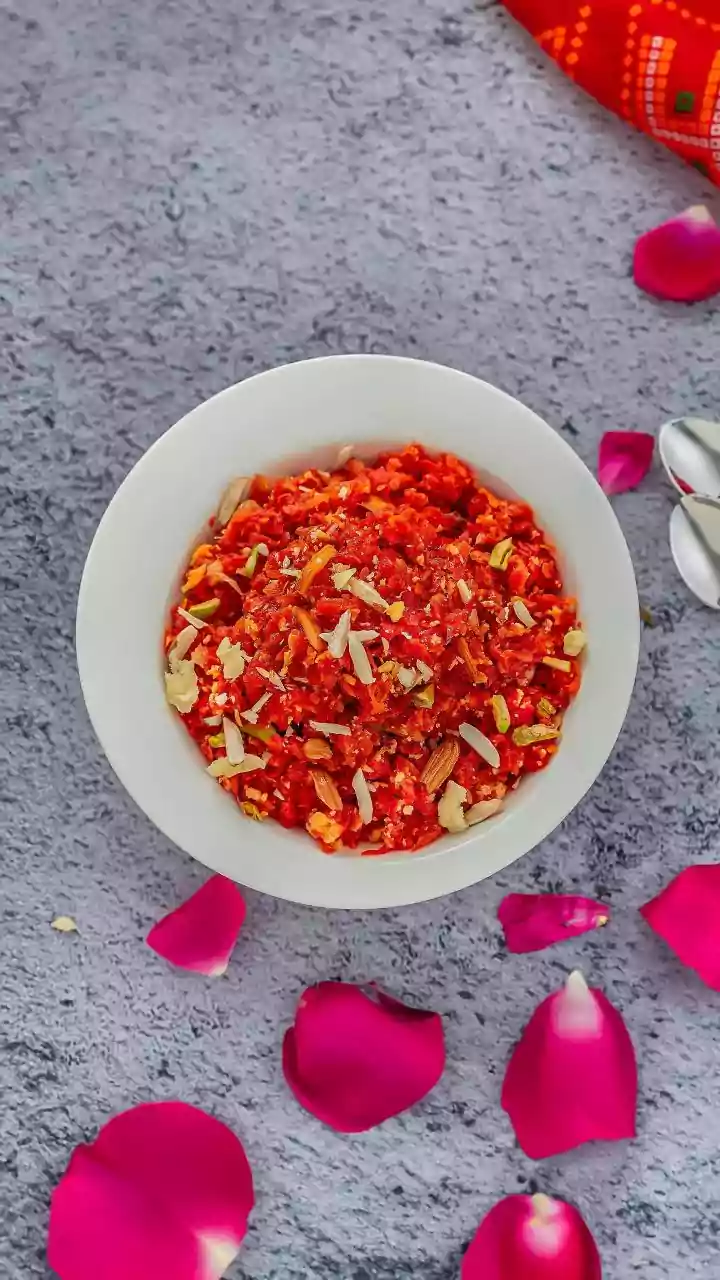
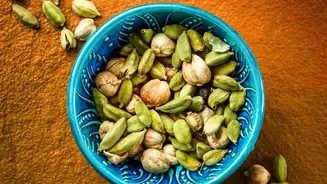
Enter Aloo ka Halwa, or potato pudding. It's a traditional North Indian sweet that transforms the everyday potato into a rich, melt-in-your-mouth dessert. The concept might sound unusual, but the result is a testament to culinary creativity. The process involves cooking boiled, peeled, and grated potatoes in a generous amount of ghee until they lose their raw taste and develop a rich aroma. Sugar is then added, followed by milk, cardamom, and sometimes saffron, creating a glossy, fragrant mixture that pulls away from the sides of the pan. The final touch is a garnish of toasted nuts like almonds and pistachios, adding a delightful crunch.
Perfectly Suited for Sawan Fasting
Aloo ka Halwa is not just a novelty; it is perfectly designed for a fasting diet. Potatoes are a permitted root vegetable that provide essential carbohydrates and energy, which can be much-needed during a fast. Ghee, a form of clarified butter, offers healthy fats, while milk and sugar provide further sustenance and a feeling of satiety. Unlike many complex desserts, the core ingredients—potato, ghee, sugar, and milk—are all standard items on the Sawan 'allowed' list. This makes it an indulgent yet permissible treat to look forward to, especially on the Somwar (Monday) fasts that are central to the month's observances.
A Unique Flavour Profile
What makes Aloo ka Halwa truly special is its unique texture and taste, which sets it apart from other common fasting sweets like makhana kheer or singhare ka halwa. The potato provides a dense, slightly earthy base that beautifully balances the sweetness of the sugar and the richness of the ghee. Grating the potatoes, rather than mashing them unevenly, is a key step to achieving a smooth, lump-free consistency. When slow-roasted in ghee, the potato's starches caramelise slightly, adding a layer of complexity you wouldn't expect. Infused with the warm aroma of cardamom and the delicate flavor of saffron, it becomes a sophisticated dessert worthy of any festive occasion.
Tips for the Perfect Potato Pudding
To make the best Aloo ka Halwa, a few tips can elevate the dish. First, use boiled potatoes that have cooled down, as this makes them easier to grate and results in a better texture. Roasting the grated potato in ghee over medium heat is a crucial step that requires patience; this is where the flavour develops, so don't rush it. Using a heavy-bottomed pan will prevent the mixture from sticking and burning. Finally, don't be shy with the ghee. It's essential for achieving the right flavour, aroma, and the signature glossy finish that indicates the halwa is ready.