



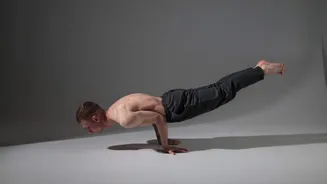
The Core of the Matter
At its heart, the plank is an isometric exercise, meaning you hold a position rather than moving through a range of motion. It primarily targets the core muscles, which include your abdominals, lower back, hips, and glutes. Think of your core as the central
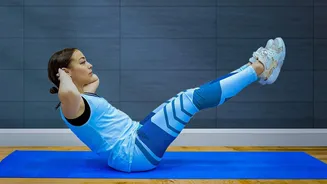
pillar of your body; it provides stability for almost every move you make. A strong core improves posture, reduces back pain, and enhances balance. According to health experts, consistently performing planks activates deep core muscles that often remain dormant during daily activities. When these muscles are engaged, they provide better support for the spine, which can help pull the waist in and create a more toned appearance.
The Psychology of a Challenge
Why is a 29-day or 30-day challenge so appealing? The magic lies in its structure and measurability. A defined timeline with a clear daily task transforms a vague goal like “get fitter” into a concrete action. It gamifies the process, creating a sense of progress and accomplishment with each completed day. This approach is particularly effective for building new habits. Studies on exercise adherence show that people are more likely to stick with shorter, more manageable workout plans. A daily plank challenge removes common barriers like lack of time or confusion about what to do. It demands just a few minutes a day, making it an easy win that builds momentum for more significant lifestyle changes.
Form Over Stopwatch
While Saina’s challenge might inspire you to time your plank holds, experts caution that technique is far more important than duration. Holding a plank with improper form can lead to strain, particularly in the lower back and shoulders. The goal is not to simply survive a longer hold but to maintain a stable, engaged position. A common mistake is allowing the hips to sag towards the floor or rise too high, breaking the straight line from head to heels. Another is holding your breath, which creates unnecessary tension. Instead, focus on steady breathing, keeping your core tight, and your shoulders positioned directly over your elbows. Quality over quantity is the key to getting the real benefits of the exercise.
How to Start Your Own Plank Routine
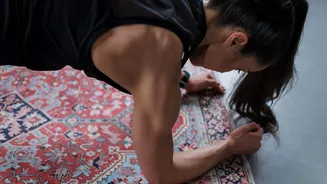
Inspired to begin? Starting is simple. Find a comfortable spot on the floor, preferably with a mat. For a forearm plank, place your forearms on the ground with your elbows stacked directly beneath your shoulders. Extend your legs straight behind you, resting on your toes. Lift your hips until your body forms a straight line from your head to your heels. Engage your abdominal muscles by imagining you are pulling your belly button toward your spine. If a full plank is too difficult, you can start by performing it on your knees or against a wall. Begin by holding the position for 20-30 seconds with good form. Rest, and repeat two or three times. As you get stronger, you can gradually increase the holding time or the number of repetitions.
Small Steps, Big Impact
Saina Nehwal's plank challenge is a powerful reminder that you don't need a complex gym routine to improve your fitness. The concept of 'mini workouts' or 'exercise snacking' — short bursts of activity spread throughout the day — is backed by science. Research indicates that accumulating exercise in shorter bouts can provide similar health benefits to one long, continuous session, improving everything from blood pressure to mood. A daily plank can be the perfect gateway exercise. It builds a foundation of core strength and, more importantly, the habit of daily movement. Once you’ve mastered the plank, you can explore variations or add other simple bodyweight exercises to create a well-rounded, repeatable home workout.