

A Quick Guide to Lunar Eclipses
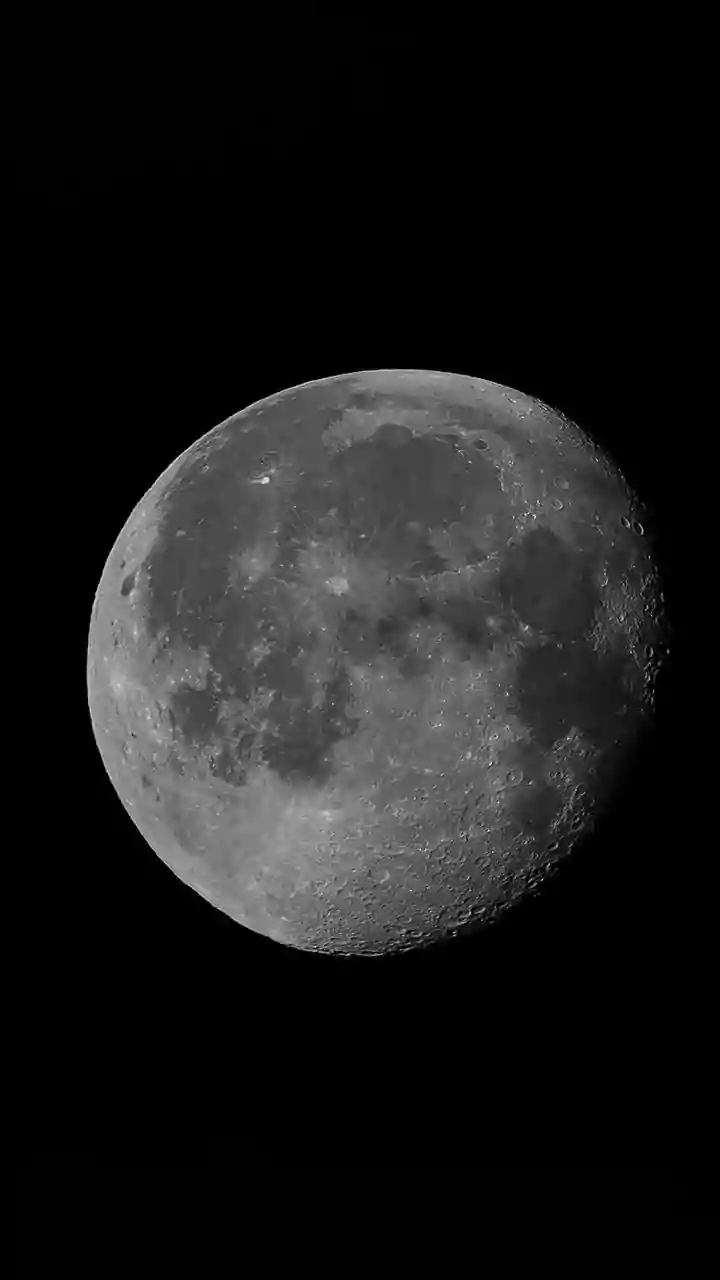
A lunar eclipse happens when the Sun, Earth, and Moon align perfectly, with our planet positioned directly in the middle. Earth's shadow then falls upon the Moon, creating a celestial spectacle. There are three main types. A penumbral eclipse is subtle,
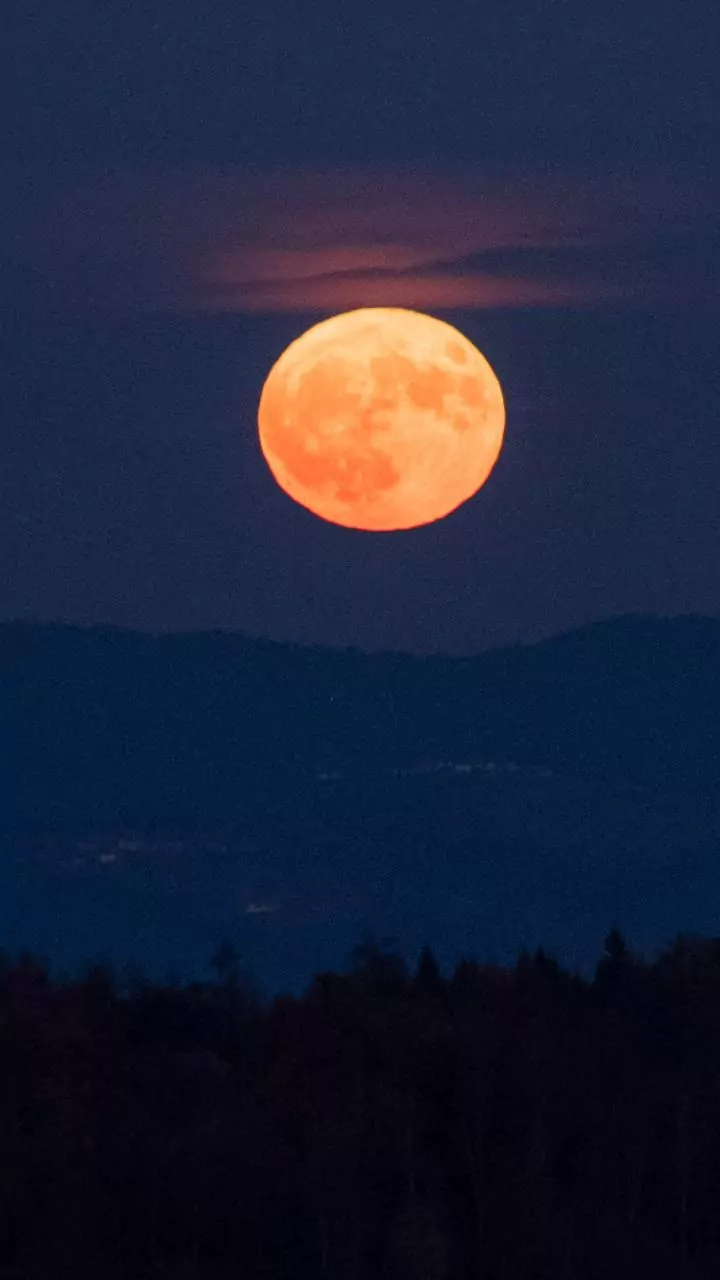
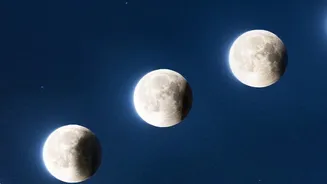
with the Moon passing through Earth's faint outer shadow. A partial lunar eclipse is more dramatic, occurring when a part of the Moon enters Earth's dark inner shadow, or umbra, making it look like a bite has been taken out of it. The most stunning is a total lunar eclipse, where the entire Moon is engulfed in the umbra. During totality, the Moon often turns a reddish-orange, a phenomenon popularly known as a 'Blood Moon'. This colour comes from sunlight filtering through Earth's atmosphere, which scatters blue light but allows red light to pass through and illuminate the Moon.
The Main Event for India: A Holi Blood Moon
For sky-watchers in India, the most exciting event is the Total Lunar Eclipse on March 3, 2026. This eclipse will be special as it coincides with the festival of Holi, adding a celestial splash of colour to the celebrations. The visibility across India will vary. For most of the country, the eclipse will already be in progress as the Moon rises. This means many will witness the breathtaking sight of a red-hued 'Blood Moon' appearing on the eastern horizon at dusk. Viewers in eastern and northeastern India, along with the Andaman and Nicobar Islands, will have the best vantage point, able to see the end of the totality phase itself. The period of totality, when the Moon is fully red, will last for about 58 minutes globally. No special equipment is needed; simply find a clear view to the east as evening falls to catch this cosmic display.
The Year's Finale: The August 28 Eclipse
The lunar calendar for 2026 concludes with the event in the headline: a major lunar eclipse on August 28. However, it's important to clarify two key details. First, this is technically a partial lunar eclipse, not a total one. Second, and most crucially for local observers, this eclipse will not be visible from India. The entire event unfolds during India's morning hours, when the Moon is well below the horizon. As a result, traditional practices like Sutak Kaal will not be applicable for observers in India, as they depend on the eclipse being visible locally.
Why the August Eclipse Is Still a Big Deal
Even though it won't be seen from India, the August 28 eclipse is a significant astronomical event. It is an exceptionally deep partial eclipse, with about 96% of the Moon's surface passing through Earth's darkest shadow at its peak. This means it will come very close to being a total eclipse. For those in the viewing regions—including North and South America, Europe, and Africa—the eclipsed portion of the Moon is expected to glow with the same coppery red hue seen during a full Blood Moon, leaving only a tiny, brilliant sliver of the lunar surface untouched. This near-total state makes it a must-see event for astronomers and photographers in the right parts of the world, offering a visual spectacle almost as dramatic as a true total eclipse.
How to Join the Spectacle From India
Just because you can't step outside and watch the August eclipse doesn't mean you have to miss out entirely. In our connected world, you can still be part of the experience. Major astronomical events like this are often broadcast live online. Space agencies like NASA and various astronomy organisations typically provide high-quality streams with expert commentary, showing real-time views from telescopes positioned around the globe. This is a fantastic way to witness the event unfold and learn about the science behind it. Following astrophotographers and space enthusiasts on social media from the Americas and Europe will also provide a flood of stunning images and time-lapses as the near-Blood Moon makes its journey across their night sky. So, while we can't see it directly, we can still enjoy the show from the best seats in the virtual house.