

The Grain Defines the Dish
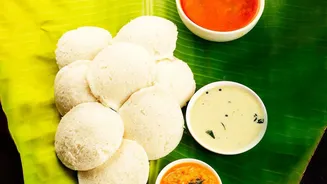
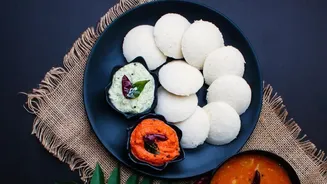
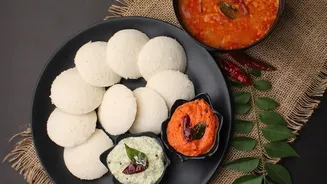
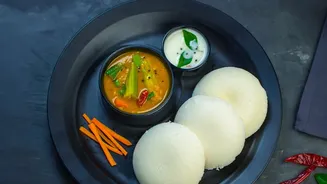
Think about your favorite Indian breakfast. Is it the soft, spongy nature of an idli, the chewy pull of a paratha, or the hearty density of a millet porridge? That distinct texture isn't an accident; it’s a direct result of the primary grain used. Every
grain—be it rice, wheat, or a variety of millets—has a unique personality defined by its composition of starch, protein, and fiber. This makeup dictates not just the final mouthfeel but the entire cooking process. Understanding the grain is the first step to mastering the dish, turning cooking from a list of instructions into a creative process. It explains why some batters need fermentation, some doughs need resting, and some grains need a simple, gentle soak.
Rice: The Master of Transformation
Rice is arguably the most versatile grain in the Indian kitchen, and its breakfast applications are a testament to its transformative power. When flattened into poha, its starches are altered, allowing it to become fluffy and separate with just a brief soak. Thicker poha flakes hold their shape better, while thinner ones can turn mushy if not handled gently. Then there is rice flour, the foundation of South India’s most iconic dishes. For appam, a batter of ground raw rice and coconut is fermented, often with yeast or traditional toddy. This fermentation creates carbon dioxide, resulting in a pancake that’s soft and spongy in the middle with crispy, lacy edges. The type of rice used, whether it's raw or parboiled, significantly affects the final texture, with some cooks adding a little cooked rice or poha to the batter for extra softness.
Wheat: The Power of Gluten
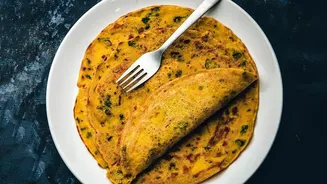
In the northern and western parts of India, breakfast often revolves around wheat. Here, the key player is gluten, the protein network that forms when wheat flour is mixed with water. This gives wheat-based breads their characteristic strength and elasticity. For a Gujarati thepla, a soft dough is made from whole wheat flour, spices, and often yogurt or oil. Kneading is crucial to develop just enough gluten for a soft, pliable flatbread that won’t tear when rolled thin. The dough is then rested to allow the gluten to relax, making the theplas easier to roll and ensuring a tender texture. Unlike the crispness sought in other breads, the goal with thepla is often a soft, travel-friendly flatbread, achieved by managing gluten development and adding fats.
Millets: The Hearty and Healthy Heroes
Millets like ragi (finger millet) and bajra (pearl millet) are ancient grains making a strong comeback. These grains are naturally gluten-free and have a much higher fiber content than rice or wheat, which dramatically changes their texture and cooking method. Take Karnataka's famous ragi mudde, or ragi balls. Making it involves a unique process where ragi flour is cooked in boiling water to create a thick, dough-like mass. The technique is all about managing the gelatinization of starch without forming lumps, which often requires vigorous stirring with a special wooden stick. The resulting mudde is dense, soft, and incredibly nutritious, meant to be swallowed in small portions with a flavorful curry. This method is entirely different from working with wheat or rice, showcasing how a grain's properties demand their own unique culinary approach.