



The Science of a Ticking Time Bomb
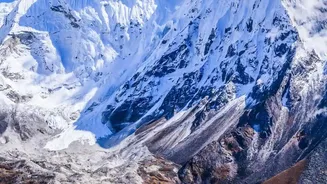
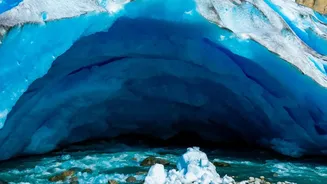
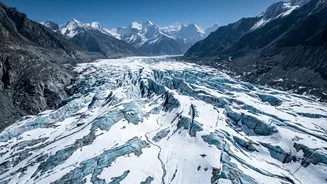
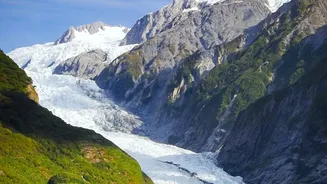
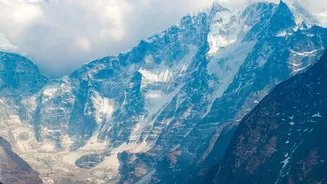
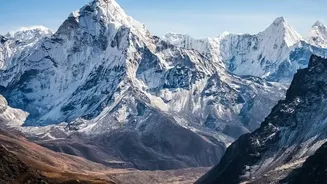
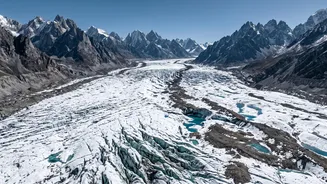
The primary driver of this heightened risk is climate change. Temperatures in the Himalayan region are rising faster than the global average, causing glaciers to retreat and thin at an alarming pace. As these glaciers melt, they form vast bodies of water
known as glacial lakes. These lakes are often dammed by unstable walls of ice or moraine—a loose mixture of rock and debris left behind by a retreating glacier. The danger arises when these natural dams fail. A significant avalanche, rockfall, or even just the immense pressure of the growing lake can trigger a breach, leading to a Glacial Lake Outburst Flood, or GLOF. These events are not slow leaks; they are sudden, violent releases of millions of cubic metres of water, mud, and boulders that can travel over 100 kilometres downstream, destroying everything in their path.
Nepal's Vulnerable Hotspots
For Nepal, this is not a distant threat. The country is home to over 2,000 glacial lakes, and a 2020 report identified 21 of them as potentially dangerous. Lakes like Lumding Tsho, Lower Barun, and Thulagi are considered high-risk priorities for intervention. Thulagi lake, for example, has swelled from a small pond in the 1960s to a massive reservoir holding billions of gallons of water, with models predicting potential flood surges of over 40 feet in downstream towns if it were to fail. Recent catastrophic events have underscored this vulnerability. A devastating flood in August 2026 in the Bhotekoshi-Trishuli river corridor, triggered by a massive ice-rock avalanche, resulted in immense loss of life and infrastructure, serving as a stark reminder of the cascading hazards facing the region.
A Cascade of Crises
The danger isn't limited to GLOFs. The same forces destabilising glaciers are also increasing the frequency of landslides. Thawing permafrost and retreating ice can weaken entire mountain slopes, making them prone to collapse. These events create a complex, interconnected web of risks. A landslide can trigger a GLOF, and a GLOF can, in turn, cause further erosion and landslides downstream. This cycle threatens not only lives and homes but also critical infrastructure. Hydropower projects, which are vital to Nepal's economy, are particularly vulnerable. The floods also impact agriculture by destroying fertile land and disrupting water supplies, which nearly two billion people across Asia rely on from Himalayan river systems.
The Race Against Time
In response, Nepal is in a race against the clock. Efforts are underway to mitigate the danger, but the scale of the challenge is immense. Projects funded by international partners like the Green Climate Fund and UNDP are focused on the highest-risk areas. Mitigation strategies include carefully lowering the water levels in dangerous lakes, a painstaking process that has been carried out at lakes like Imja Tsho and Tsho Rolpa. Other crucial efforts involve installing sophisticated early-warning systems to give downstream communities precious minutes to evacuate and building resilient infrastructure, such as underground powerhouses for hydropower plants that can withstand floods. However, a recent catastrophic flood highlighted that even with existing knowledge, the implementation of these solutions is often too slow and underfunded to keep pace with the escalating risk.