
The Arrival: A Foreign Delicacy
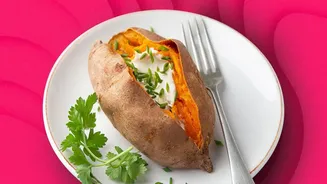
The potato's journey to India began in the early 17th century with Portuguese traders. They introduced the tuber, which they called 'batata', along the western coast. For a long time, it remained a curiosity, a garden crop for European settlers and a novelty
at elite banquets. Records from 1675 mention potatoes being served at a Mughal statesman's feast, showing its slow entry into aristocratic circles. However, it was the British who significantly expanded its cultivation in the 19th century, especially in the hill stations of Northern India. What started as a foreign vegetable slowly began its march to becoming a food for the masses, setting the stage for its complete integration into Indian food culture.
Dum Aloo: A Royal Beginning
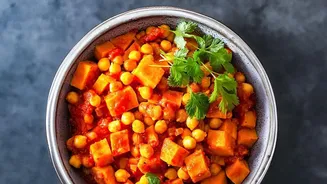
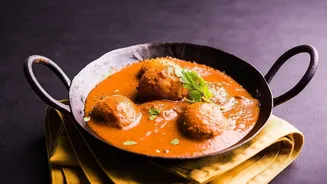
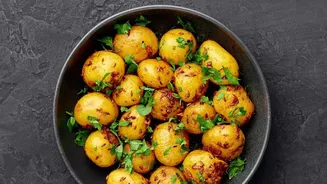
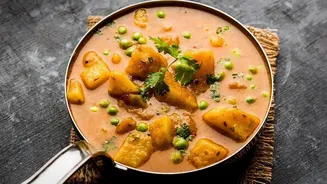
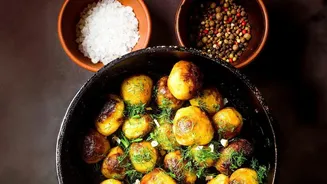
One of the earliest examples of the potato being adopted into sophisticated Indian cooking is Dum Aloo, a dish with origins in Kashmiri Pandit cuisine. The 'dum' style of slow-cooking in a sealed pot was already a hallmark of royal kitchens, and the potato proved to be a perfect candidate for this technique. Small potatoes are typically fried and then simmered gently in a rich, spicy gravy. While the fiery Kashmiri version is famous, regional variations like the Bengali Alur Dom and the tomato-based Banarasi Dum Aloo showcase how different cultures embraced the potato and made it their own, elevating it from a simple root vegetable to a dish fit for a celebration.
Aloo Posto: A Bengali Staple
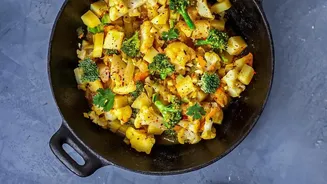
In Bengal, the potato found a unique partner: poppy seeds (posto). The story of Aloo Posto is tied to a complex history involving the British East India Company's opium trade in the 18th and 19th centuries, which led to vast poppy cultivation in the region. Legend says that with poppy seeds abundantly available, a farmer's wife ingeniously ground the leftover seeds into a paste and cooked it with the affordable and widely available potato. The result was a subtly nutty, comforting, and uniquely Bengali dish that became a staple in households across the state. Aloo Posto represents the potato's journey into the everyday kitchen, becoming a symbol of comfort and regional identity.
Masala Dosa: The Southern Embrace
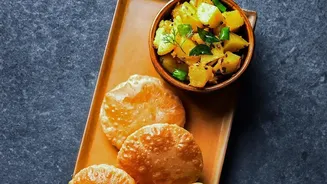
While the dosa itself is an ancient South Indian crepe, the addition of a spiced potato filling is a more recent innovation, largely attributed to Udupi restaurants in Karnataka in the 20th century. As potatoes became cheaper and more widespread, creative cooks saw their potential. They mashed and spiced boiled potatoes to create a hearty, flavourful filling, transforming the plain dosa into the iconic Masala Dosa we know today. This ingenious pairing demonstrates how the potato was seamlessly adapted into existing culinary formats, becoming an essential component of one of South India’s most famous and beloved dishes.
Batata Vada & Aloo Tikki: The Street Food Stars
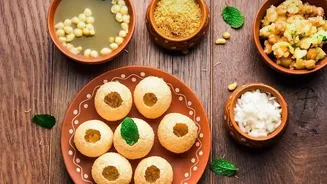
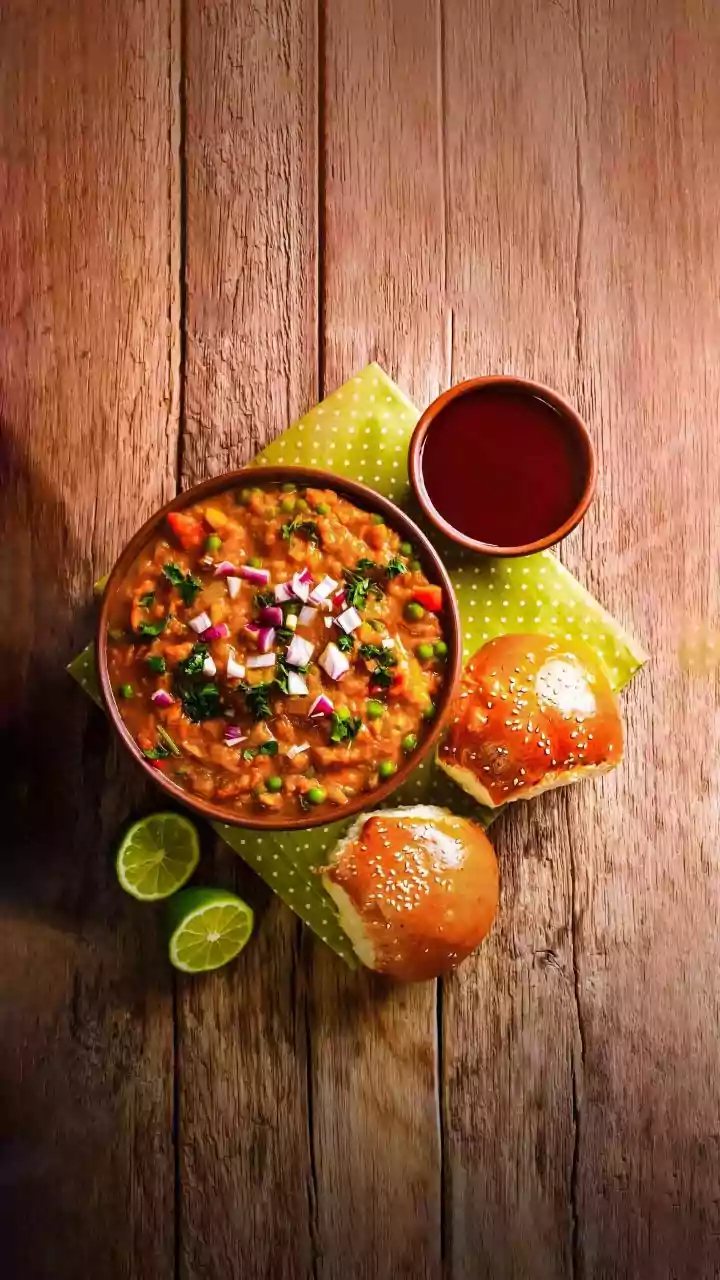
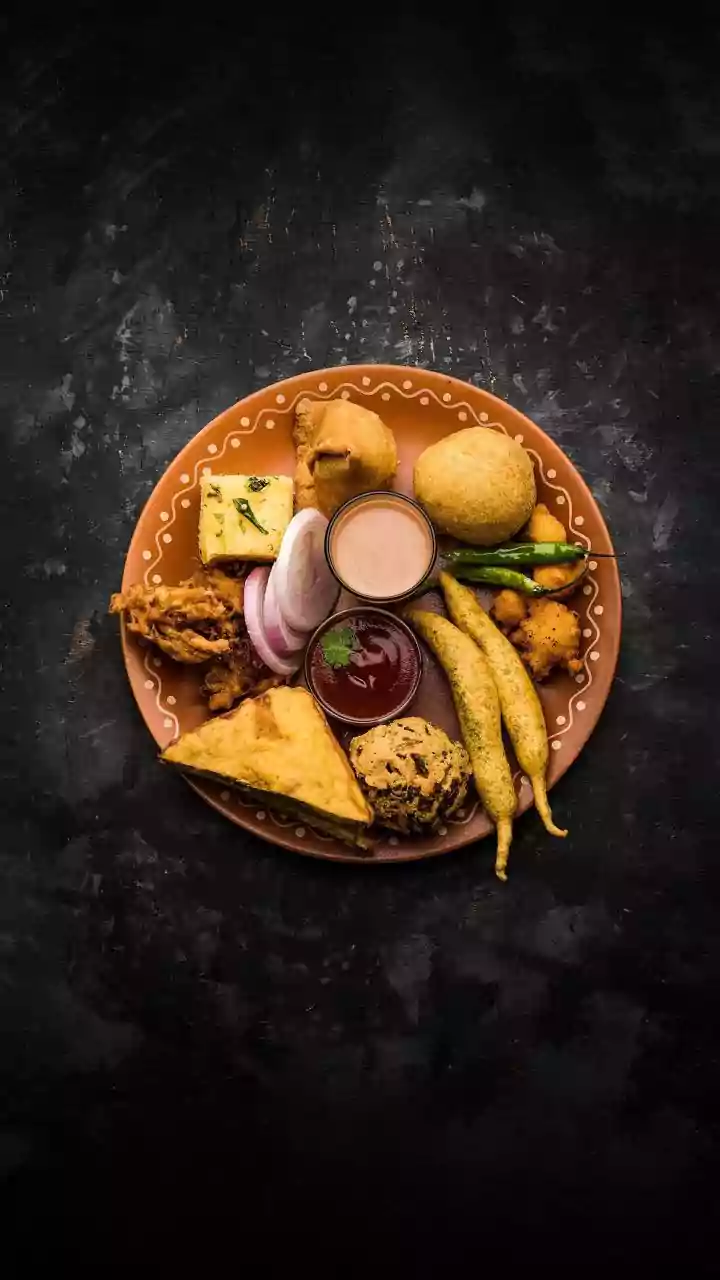
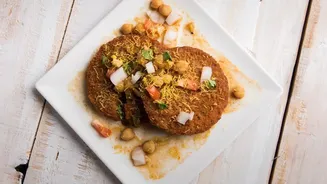
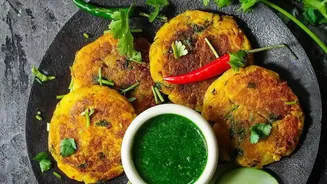
The potato’s ultimate conquest of India is perhaps best seen on the streets. In Mumbai, the 1960s saw the birth of the Batata Vada, a spiced potato ball dipped in gram flour batter and deep-fried. A vendor named Ashok Vaidya is credited with first placing this vada inside a pav (bread roll), creating the legendary Vada Pav to feed hungry mill workers. Meanwhile, in the bustling lanes of North India, Aloo Tikki—a pan-fried potato patty—became a street food sensation. Served with an array of chutneys and yogurt, Aloo Tikki Chaat is a cultural icon, representing the potato's role as an affordable, versatile, and universally loved food for the masses.