


A New Take on an Ancient Art
When you hear the word “gilding,” it’s easy to picture ornate, historical settings. But the art of applying thin sheets of metallic leaf is finding a new and exciting place in contemporary homes. Modern gilding is less about announcing wealth and more
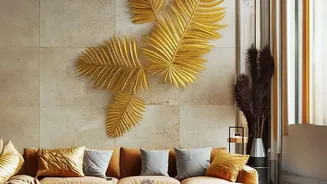
about creating warmth, texture, and emotion in a space. Instead of covering entire surfaces, designers and DIY enthusiasts are using it sparingly to create refined focal points that interact beautifully with light. The new approach isn't about choosing between old and new; it's about blending them. A touch of gold leaf can soften the hard edge of concrete, add warmth to marble, or enhance the natural beauty of wood. It’s a versatile tool that proves luxury doesn't have to be loud.
The Power of Contrast
The central principle behind this trend is contrast. It's a fundamental tool in interior design used to create visual interest and prevent a room from feeling flat or one-dimensional. When you pair a high-shine, glamorous material like gold leaf with something raw, humble, and simple, you create a powerful visual dynamic. The rustic charm of unfinished wood, the industrial coolness of concrete, or the soft texture of linen makes the metallic detail pop. This juxtaposition is key; the simple material grounds the metallic element, making it feel special and intentional rather than gaudy. It’s a design trick that allows competing elements to bring out the best in each other, creating a space that feels balanced, sophisticated, and engaging.
Simple Materials, Elevated
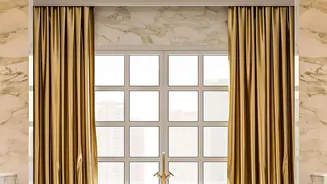
So, what are the “simple materials” that work best? Think about texture and honesty. Unfinished or reclaimed wood is a perfect partner, as its earthy tones and natural grain provide a warm, organic backdrop for a flash of gold. Concrete and plaster are other excellent choices; their cool, matte surfaces create a striking contrast with the warmth and reflectivity of gold or copper leaf. Don’t forget about textiles. Natural fabrics like linen, jute, or even raw canvas can be transformed with a hint of metallic detailing, adding a layer of unexpected glamour. The goal is to choose materials that are beautiful in their own right but become extraordinary when paired with a touch of metallic shine.
Try It Yourself
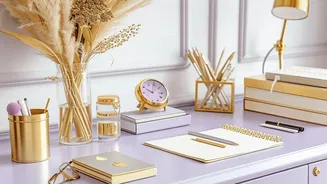
Bringing this look into your home is easier than you might think. Start small to build your confidence. A DIY project is a great way to experiment. You can find imitation gold leaf sheets and gilding adhesive at most craft stores. Consider applying gold leaf to the inside of a concrete planter, the edge of a simple wooden picture frame, or the base of a plain ceramic vase. You could even gild a small, unexpected object like a decorative stone or a light switch plate. The key is to work in small, controlled sections and remember that a little goes a long way. The aim is a subtle highlight, a flash of unexpected shimmer that catches the eye and adds a bespoke touch to your decor.
Beyond Classic Gold
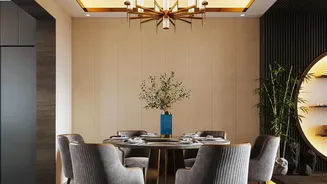
While gold is the classic choice, modern gilding embraces a full spectrum of metallic finishes. Silver leaf, for example, is popular in contemporary interiors for its cool, reflective quality that can enhance light and create a sense of spaciousness. Copper and bronze offer warmer, earthier tones that pair beautifully with wood and other natural materials. You can even find variegated leaf that provides a mottled, aged look. Don't be afraid to mix different metallic finishes within a room, though it's often best to choose one dominant metal and use others as smaller accents to maintain a cohesive feel. This allows you to tailor the look to your existing color palette and create the specific mood you're after.