






A Familiar Threat, An Unfamiliar Intensity
For millions along India's vast coastline, cyclones are a seasonal reality. The Bay of Bengal, a naturally warm and semi-enclosed sea, has always been a fertile breeding ground for these powerful storms. Historically, it has been the site of some of the deadliest
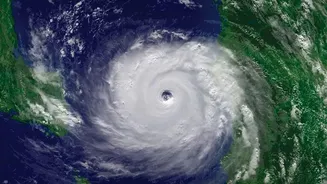
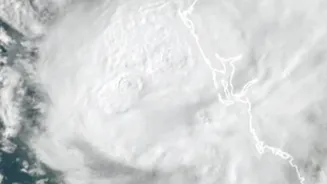
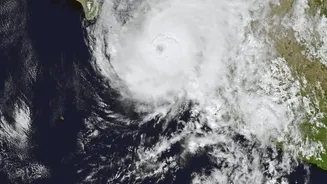
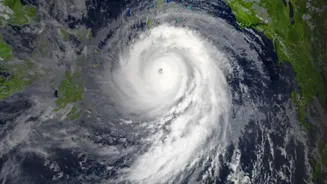
cyclones recorded. However, the script is changing. Storms like Akvan, which is forecast to make landfall along the Andhra Pradesh and Odisha coasts as a severe cyclonic storm, are becoming part of a new, more dangerous pattern. The issue is no longer just their presence, but their power and behaviour. Scientists have noted a worrying trend: while the overall number of cyclones has not drastically increased, the frequency of very severe cyclonic storms has risen, particularly in the last two decades.
The Science of a Supercharged Storm
The engine that drives a cyclone is warm ocean water. The India Meteorological Department (IMD) is tracking Akvan as it moves over the Bay of Bengal, where sea surface temperatures are conducive to its intensification. Climate change is pouring fuel on this fire. The Indian Ocean is warming at a faster rate than the global average, providing the extra energy that turns a standard depression into a severe or very severe cyclone. This added heat doesn't just make storms stronger; it allows them to intensify with terrifying speed, a phenomenon known as rapid intensification. A storm can escalate from a Category 1 to a much more destructive Category 4 or 5 in less than 24 hours, drastically reducing the crucial window for evacuation and preparedness. This makes forecasting more challenging and puts coastal communities at much higher risk.
More Than Just Wind and Rain
The impact of these intensified cyclones extends beyond high-speed winds. Warmer air holds more moisture, leading to extremely heavy rainfall and a greater risk of widespread flooding, as is predicted for coastal Andhra Pradesh and Odisha. Furthermore, stronger storms create higher storm surges—a bulge of water pushed ahead of the cyclone—that can inundate low-lying coastal areas, causing immense destruction and loss of life. Unplanned urbanisation and the degradation of natural defences like mangrove forests further compound this vulnerability. Mangroves act as natural barriers, absorbing the energy of storm surges, and their loss leaves coastlines more exposed.
India on the Frontline
India's east coast, particularly states like Odisha, West Bengal, Andhra Pradesh, and Tamil Nadu, is disproportionately vulnerable to these storms. In response to Cyclone Akvan, authorities in Odisha and Andhra Pradesh have begun evacuations and are preparing shelters, a sign of how seriously these threats are now taken. India has made significant strides in its early warning systems and disaster management protocols since the devastating 1999 Odisha Super Cyclone, drastically reducing fatalities. However, the economic and infrastructural toll remains immense. Each storm threatens homes, livelihoods, agriculture, and critical infrastructure like ports and power lines. As Akvan approaches, ports along the Andhra coast are on high alert for challenging conditions.