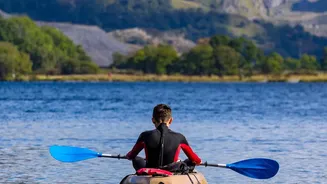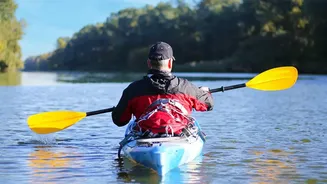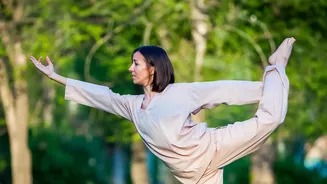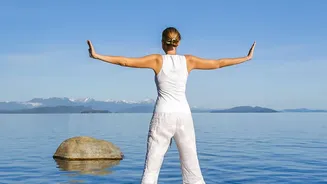





The Unexpected Connection: Core Strength and Flow
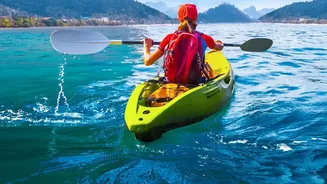
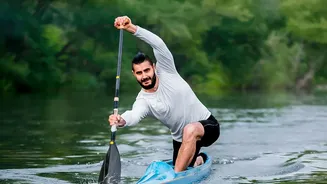
The surprising link between kayaking and Tai Chi lies in two key areas: core engagement and the mental state known as 'flow'. Kayaking is a fantastic workout for the core, as your abdominal and back muscles work constantly to maintain balance and power
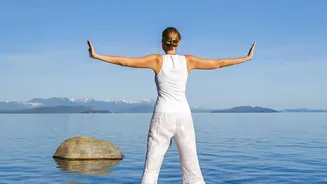
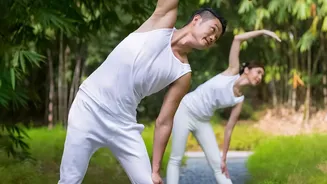
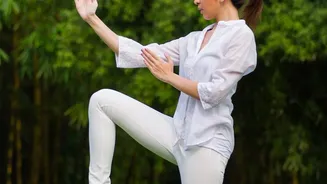
each paddle stroke. Similarly, Tai Chi, often called 'meditation in motion', relies on a strong, stable core to execute its slow, controlled movements. Both activities also promote a state of flow, where you become completely immersed in the present moment. Whether it's the rhythmic motion of paddling or the deliberate transitions between Tai Chi postures, both can quiet the mind, reduce stress, and improve focus.
Kayaking: Paddling into Strength and Serenity
Kayaking offers a powerful full-body workout with minimal stress on the joints. Paddling strengthens the arms, shoulders, back, and chest, while the continuous effort to stay balanced engages your core and even your legs. Beyond the physical, being on the water provides significant mental health benefits. The serene surroundings and the rhythmic nature of paddling help reduce stress and anxiety. This combination of physical exertion and natural tranquility can boost your mood, improve focus, and release endorphins, the body’s natural feel-good chemicals.
Tai Chi: The Land-Based Alternative
Tai Chi is a low-impact exercise suitable for all ages and fitness levels. It consists of slow, flowing sequences that link movement with deep, relaxed breathing. This practice is renowned for improving balance, flexibility, and muscle strength without straining the body. Research shows that regular practice can significantly reduce the risk of falls, particularly in older adults, by enhancing coordination and body awareness. The meditative aspect is just as important; by focusing on the movements and breath, practitioners can calm the nervous system, reduce stress and anxiety, and improve overall psychological well-being.
Accessibility, Cost, and Convenience
This is where the two activities diverge significantly. Kayaking requires access to a body of water and, of course, a kayak, paddle, and safety gear. While rentals are an option, the costs can add up, and it requires transportation and planning. In contrast, Tai Chi requires no equipment at all. It can be practised anywhere, indoors or outdoors, alone or in a group. A session can be as short as 10 to 20 minutes, making it incredibly easy to fit into a busy schedule. This makes Tai Chi a highly accessible and sustainable option for those seeking consistent, daily practice without logistical hurdles.
Which Path to Mindfulness Is Right for You?
Choosing between Tai Chi and kayaking depends entirely on your lifestyle, budget, and personal preferences. If you love being in nature, on the water, and are seeking an activity that combines adventure with a vigorous upper-body and core workout, kayaking is an excellent choice. It offers both a physical challenge and a mental escape. If, however, you value convenience, affordability, and the ability to practice anytime and anywhere, Tai Chi is an unmatched alternative. It provides similar benefits in terms of core strength, balance, and mental calm, all without the need for special equipment or a specific location. Both paths lead to improved physical health and a calmer mind; the journey is simply a matter of personal taste.