





The Great Indian Travel Shift
The way Indians travel is undergoing a significant transformation. According to Agoda's 2027 Asia Travel Pulse report, a remarkable 55% of Indian travellers are planning to visit lesser-known destinations in the coming year. This figure is not just a minor
uptick; it places India at the forefront of a major trend, far exceeding the Asian average of 36%. The data suggests a collective move away from simply seeing the sights and a deeper desire to experience a place. Travellers are becoming more intentional, seeking unique cultural encounters and personal growth over predictable itineraries. This shift is driven by a quest for authenticity and a reaction against the overcrowding that can define popular tourist circuits.
Adventure and Soul-Searching
What's fuelling this move off the beaten path? The Agoda study points to two powerful motivators: adventure and spirituality. An impressive 42% of Indian respondents cited outdoor activities and adventure as a primary reason for travelling, among the highest in Asia. This indicates a growing appetite for nature-based experiences, from trekking in the Himalayas to exploring remote coastlines. Furthermore, spiritual journeys have emerged as a distinctly strong driver for Indians, with 14% identifying it as a key travel motivation—three and a half times the regional average. This search for meaning is reflected in booking data, which shows a huge spike in interest for destinations that offer a blend of culture and contemplative escape.
Trending Offbeat Escapes
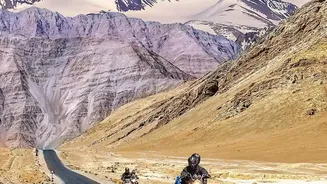
So, where are these adventurous and soul-searching travellers headed? Agoda's search data from 2026 provides some compelling clues. The town of Pushkar in Rajasthan saw a 195% surge in interest, while the Himalayan destinations of Dharamshala and Leh recorded increases of 154% and 143% respectively. These places offer a rich tapestry of spiritual heritage, stunning landscapes, and vibrant local culture. Other reports highlight emerging gems like Rupsi in Assam, a gateway to the Northeast, and the coastal town of Malvan in Maharashtra, known for its historic sea forts and relaxed beaches. This trend aligns with other expert selections for 2027, which point towards less-travelled regions like Spiti Valley, the islands of Lakshadweep, and the cultural pocket of Chettinad in Tamil Nadu as destinations to watch.
Slower Paces and Longer Stays
This evolving mindset isn't just about where people are going, but also how they are travelling. The desire for deeper connection is leading to longer holidays. The Agoda survey found that 26% of Indian travellers plan for their trips to last between eight and 12 days, allowing more time for immersion rather than a rushed tour. This supports a broader industry trend towards 'slow travel', where the focus is on quality experiences over quantity. Instead of a frantic multi-city tour, travellers are choosing to stay in one place, soak in the local atmosphere, and leave room for spontaneous discoveries. This patient approach is a core part of the offbeat travel ethos, prizing genuine connection with a destination over a simple checklist of sights.