




The Universal Call for Comfort
There's a near-universal response to a cool, rainy day: a desire for something hot, crunchy, and fried. This is why a plate of pakoras or samosas, paired with a steaming cup of adrak chai, feels like the official snack of the Indian monsoon. This craving
is partly scientific. The drop in temperature makes our bodies seek warm, energy-dense foods. Furthermore, the grey skies can lead to a dip in serotonin, our mood-regulating hormone. Foods high in carbs and fat, like our beloved fried snacks, trigger a quick dopamine release, offering an instant mood lift. This biological urge is reinforced by decades of cultural tradition, where the sound of rain has become inextricably linked with the aroma of hot oil and spices.
The Ancient Wisdom of Ayurveda
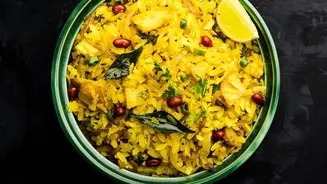
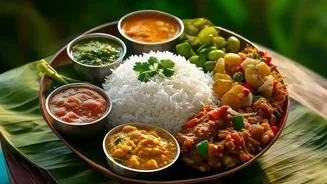
Beyond the cravings for fried food, there is a deeper, older wisdom that dictates the monsoon diet. According to Ayurveda, the rainy season, or 'Varsha Ritu', is a time when our digestive fire, or 'Agni', is at its weakest. The damp, humid weather makes our systems sluggish and more vulnerable to infection. As a result, traditional food practices pivot towards dishes that are warm, light, and easy to digest. This is the season of khichdi, a simple, nourishing porridge of rice and lentils seasoned with digestive spices like ginger, cumin, and turmeric. Soups, steamed vegetables, and broths also take centre stage. In Kerala, this philosophy is embodied in the 'Karkidaka Kanji', a medicinal rice gruel made with special Njavara rice, herbs, and spices to boost immunity and support digestion during the challenging monsoon month.
A Forager’s Bounty
The monsoon doesn't just change our cravings; it transforms the landscape, bringing forth a bounty of wild, edible greens that are available for only a few fleeting weeks. Many communities have a long tradition of foraging for these seasonal treasures. In Maharashtra and Goa, a grassy green called 'phodshi' appears, often cooked simply with garlic or added to fritters. Colocasia leaves ('arbi ke patte') become abundant, used to make the iconic 'patrode' or 'alu vadi'—rolled, steamed, and fried snacks—along the Konkan coast. In the Himalayan belt, fiddlehead ferns, known as 'lingdu', are foraged and turned into pickles and stir-fries. These foraged foods are a direct link to the land and a reminder of a time when diets were dictated entirely by nature's clock.
Treasures from the Water
The monsoon also dictates what comes from India's rivers and seas. For Bengalis, the season is synonymous with Ilish, or Hilsa, a fish prized for its rich flavour and delicate, oily texture. As the Hilsa migrates upstream to spawn during the rains, it becomes fattier and more delicious, making it the 'King of Fish' for the season. Bengali kitchens celebrate its arrival with iconic preparations like 'Shorshe Ilish' (cooked in a pungent mustard paste) and 'Bhapa Ilish' (steamed with yogurt and mustard). The fish is so central to the culture that it is considered auspicious and features in festive meals and family traditions, representing prosperity and joy during the rainy months.