





The Power of the Cluster
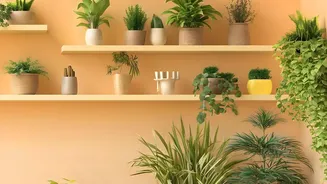
A single plant pot on a table is nice, but a cluster of them in a corner creates a destination. The simple act of grouping objects is a foundational principle in interior design. When you group planters, you create a focal point, drawing the eye and making
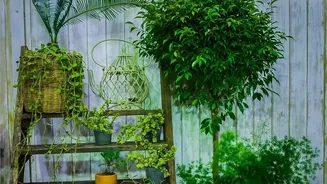
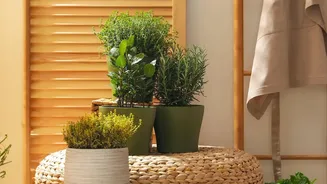
a much stronger visual statement than scattered, individual pots ever could. This technique makes your plant collection look intentional and curated, rather than like a random assortment. A well-designed grouping can fill an awkward empty corner, bring life to a sterile hallway, or create a lush, green backdrop for your living space. It’s about creating impact through collective presence, turning a handful of plants into a single, powerful design element.
Why Ceramic is the Ideal Canvas
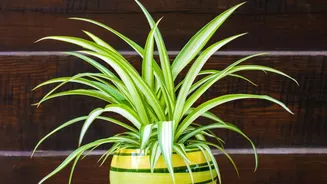
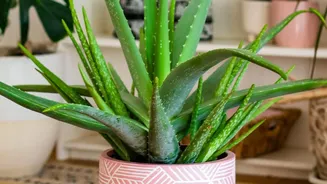
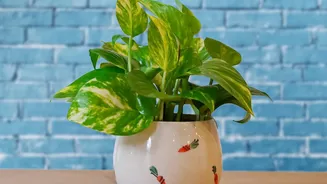
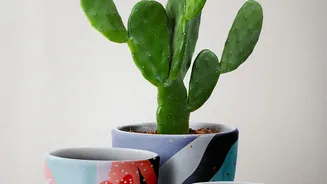
The pot you choose is as important as the plant itself, and ceramic is often the perfect choice for both aesthetic and horticultural reasons. Unlike plastic, ceramic pots offer a huge variety of colours, textures, and finishes, allowing you to perfectly match them to your room's decor. More importantly, ceramic is beneficial for your plants. Porous, unglazed ceramic (like terracotta) allows for better air and moisture circulation, which helps prevent root rot—a common issue for indoor plants. Even glazed ceramic pots, which retain more moisture, provide better insulation from sudden temperature changes than plastic. Their weight also adds stability, making them less likely to tip over, especially with top-heavy plants. Just be sure any pot you choose has a drainage hole to keep your plants healthy.
Create Harmony Through Variation
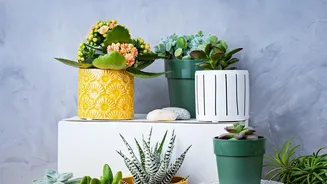
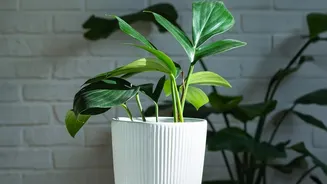
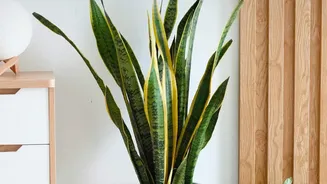
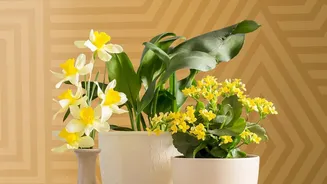
The key to a beautiful grouping isn't uniformity—it's harmony. Interior designers often use the 'Rule of Three,' which suggests that items arranged in odd numbers are more appealing and natural to the human eye. When creating a cluster, aim for variation in height, shape, and size. A classic approach involves selecting a tall 'thriller' plant to act as the focal point, surrounding it with medium-sized 'filler' plants to add body, and finishing with a low-lying or 'spiller' plant that trails over the edge of its pot. This creates layers and depth, making the entire arrangement more dynamic and visually engaging. You can achieve this by using pots of different dimensions or by placing some pots on stands or books to create different levels.
Weave a Cohesive Colour Story
Colour is your most powerful tool for tying the arrangement together with the rest of the room. You have two main approaches. First, you can create a monochromatic or analogous scheme, choosing pots in varying shades of a single colour (like blues and greens) or related colours. This creates a calm, unified look. Alternatively, you can use your pots to introduce a pop of contrasting colour that complements your existing decor. Look at the colours already in your room—on cushions, rugs, or artwork—and pick a pot colour that echoes one of those hues. This simple step ensures that your plant display doesn't just sit in the room, but actively participates in its overall colour palette, making the design feel more cohesive and intentional.
Play with Texture and Placement
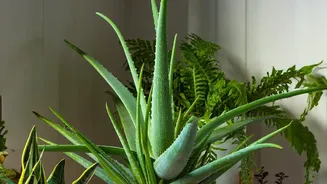
Beyond colour, consider the interplay of textures. Combine smooth, glazed ceramic pots with the rough, matte finish of an unglazed pot. Then, think about the texture of the plants themselves. Pair the bold, waxy leaves of a Fiddle Leaf Fig with the delicate, feathery fronds of a fern. This contrast in textures adds a rich, tactile dimension to your display. Once you have your grouping, placement is everything. An unused corner is a perfect spot for a floor-based cluster, creating a mini indoor garden. A credenza, wide windowsill, or bookshelf is ideal for a smaller arrangement that can be admired up close. Don't be afraid to let the foliage of different plants overlap slightly; this enhances the natural, layered look you’re aiming for.